
Table of Contents
Introduction: A New Kind of Vacation—Dental Care in Cuenca
When people imagine dental vacations, they often think of generic beach resorts and low-cost clinics. Cuenca, Ecuador, flips that idea on its head. Nestled in the Andes at 2,560 meters, Cuenca combines centuries-old charm with modern dental excellence. For travelers seeking implants, crowns, or veneers, Cuenca is not just cheaper—it delivers top-tier clinical results, short waits, and a recovery environment that feels more like a restorative retreat than a medical trip.
The Financial Case: How Cuenca Slashes Dental Bills by 60–70%
Cost is the first headline for many dental tourists. In the United States and Canada, a single dental implant (implant + abutment + crown) often costs between $3,000 and $6,000. In Cuenca that same comprehensive treatment routinely runs 60–70% less, making implants commonly available for under $1,500–$2,000 depending on materials and complexity. Crowns and veneers show similar gaps: a crown that can cost $1,000–$1,500 in North America frequently costs $250–$450 in Cuenca. Those savings are not small—they make previously unaffordable full-mouth rehabilitations or multiple implants financially feasible without compromising quality.
World-Class Training and International Standards
Cuenca’s dentists are educated at top Ecuadorian universities and many complete advanced residencies, specialty training, or exchange programs in the U.S., Spain, or other international centers. Clinics emphasize continuing education, with staff frequently attending global conferences and working with internationally recognized implant systems. The result: you’re treated by professionals who blend local expertise with international best practices, often speaking fluent English or providing bilingual support for expats and visitors.
Modern Clinics, Cutting-Edge Technology
Walk into many private dental clinics in Cuenca and you’ll find an environment that rivals high-end facilities anywhere. Common technologies include:
- 3D cone beam CT (CBCT) imaging for precise implant planning
- Digital intraoral scanners for accurate impressions and streamlined workflows
- CAD/CAM milling systems that enable same-day crowns and faster turnaround
- Guided-surgery protocols and surgical guides for predictable implant placement
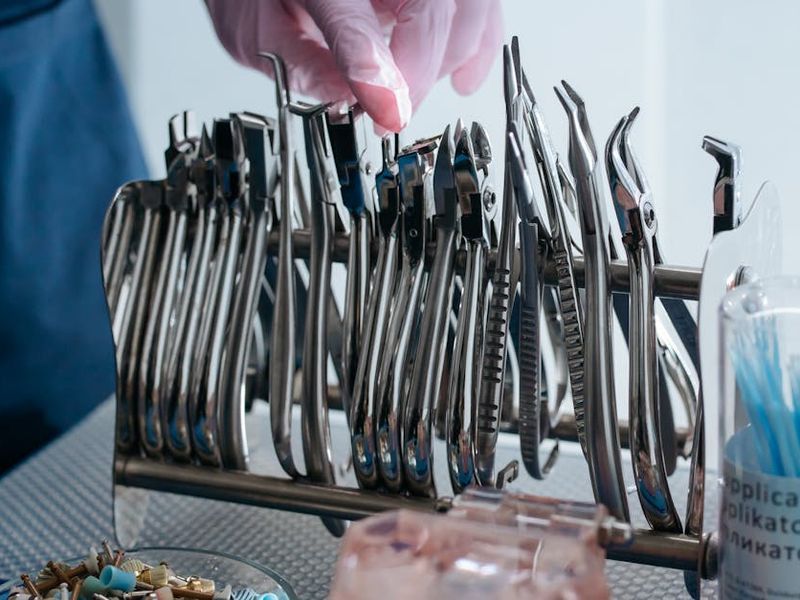
- Modern sterilization suites and air filtration systems
These investments shorten treatment times, reduce complications, and translate into faster, predictable outcomes for patients.
Short Wait Times and Fast Turnarounds
One of the frustrations patients face at home is long waiting lists for specialists and lab work. In Cuenca, private clinics are structured for efficiency. Many offer consolidated treatment plans where diagnostics, implant placement, and restorative work occur over a compressed schedule—sometimes within two to three visits over a few weeks. Same-day crowns via CAD/CAM mean fewer trips and less time away from home. For travelers, that can mean a single well-planned trip rather than multiple visits over months.
The Recovery Advantage: A Beautiful, Low-Stress Setting
Cuenca’s climate and atmosphere are major perks for dental recovery. The city enjoys a consistently mild, spring-like climate year-round—perfect for gentle walks after procedures. Historic plazas like Parque Calderón, the cathedral’s red domes, quiet cafes, and tree-lined streets offer a peaceful backdrop for healing. For those who love nature, Cajas National Park is a 30–40 minute drive and offers clean mountain air and easy day hikes to aid recovery, while nearby hot springs and village markets create gentle diversions during the downtime necessary for implants to integrate.
Combine Health and Leisure: The Dental Vacation Experience
Cuenca is ideally suited to the “dental vacation” concept. Here’s how patients routinely combine care and leisure:
- Plan a pre-op consultation and diagnostics day, followed by a few days of sightseeing while labs create temporary restorations.
- Schedule implant surgery early in the week and use the weekend for gentle activities—guided walking tours, riverside cafes, or a day trip to Cajas.
- Book a longer stay if undergoing complex full-mouth rehabilitation; the city’s comfortable hotels, B&Bs, and rental apartments make extended stays pleasant and affordable.
The result: you return home with restored oral health—and with memories from a charming UNESCO-listed city.
Personalized, One-on-One Patient Care
In Cuenca, many clinics prioritize personalized care models. Appointments are typically longer and more focused on communication. Dentists often take time to explain each step, show 3D plans, and involve patients in material choices (zirconia vs. porcelain, implant brand, type of sedation). This one-on-one approach builds trust and makes it easier for international patients to feel safe and informed. Many clinics also offer concierge-style services—transportation from the airport, hotel recommendations, coordination with labs, and bilingual coordinators who smooth the logistics.
Quality Materials and Recognized Implant Brands
Cost savings in Cuenca do not come from cheap materials. Reputable clinics commonly use internationally recognized implant systems and high-quality ceramics for crowns and veneers. Many practices stock parts from well-known companies and offer documented certificates and warranties for materials and laboratory work. Always ask any clinic for the brands they use, the warranty terms, and before-and-after examples of similar cases.
Practical Tips for Planning Your Dental Trip to Cuenca
Preparation is the key to a smooth dental vacation. Here are practical, proven tips:
- Collect your dental records and X-rays before you go. Sending them to the Cuenca clinic in advance speeds up planning and reduces unnecessary tests.
- Schedule a virtual consultation to review the plan, costs, and estimated timeline before you book travel.
- Plan your stay with healing in mind—arrive 2–3 days before surgery to acclimatize to the altitude and avoid strenuous activities for a few days post-op.
- Ask your dentist about sedation options, post-op medication, and emergency contact procedures.
- Confirm warranties, material brands, and who will perform each phase of treatment. Get a written treatment plan with timelines and itemized costs.
- Arrange travel insurance that covers medical-related travel needs and consider a short flexible return ticket in case follow-up visits are needed.
How Long Should You Stay? Typical Timelines for Implants and Crowns
Timelines vary by procedure, but here are common sequences:
- Single implant: Initial consult and imaging (day 1), implant placement (day 2), short stay for initial healing (3–7 days), follow-up and final crown placement after osseointegration (often 3–4 months). Many clinics time final crown fabrication so it can be done in a shorter second visit or by coordinating with labs to shorten waiting time.
- Multiple implants or All-on-4: Consult and planning (day 1), surgical placement and provisionalization (days 2–3), a hands-off healing period with remote check-ups, and a return visit 3–6 months for final prosthesis.
- Crowns and veneers: Digital scans and prep (day 1), same-day crowns possible with CAD/CAM, or a short waiting period for lab-fabricated restorations (1–2 weeks).
Safety, Accreditation, and Choosing the Right Clinic
Not all clinics are created equal, and doing homework pays off. Look for:
- Clear before-and-after galleries and patient testimonials.
- Use of digital imaging (CBCT) and CAD/CAM tools—indicators of modern workflows.
- Willingness to provide references or connect you with past international patients.
- Transparent pricing, a detailed written treatment plan, and documented warranties on work.
- Hygiene and sterilization protocols consistent with international standards.
Many clinics will happily provide references and video consultations—take advantage of those to reduce risk and feel confident in your choice.
Real Value: Why Many Return to Cuenca for Continued Care
The real story is value. Patients often find that the overall package—lower costs, high-quality care, fast scheduling, and an appealing recovery environment—outweighs the inconvenience of travel. For people who need extensive work, full-mouth rehabilitation, or multiple crowns and veneers, the savings alone can be life-changing. Add in the comfort of tailored, personal care and the restorative surroundings of Cuenca, and it’s easy to see why many patients return for maintenance, additional treatment, or even bring family members for routine care.
Combining Post-Op Comfort with Culture and Exploration
Post-operative days can be restful and restorative in Cuenca. Spend gentle afternoons at the Tomebamba River, browse artisan markets for handmade jewelry, take a slow tour of the Museo Pumapungo, or simply savor Ecuadorian coffee in a plaza-facing cafe. For longer stays, weekend excursions to nearby villages like Gualaceo and Chordeleg (renowned for their crafts) or the highland lakes and páramo of Cajas National Park offer peaceful spaces for gradual recovery and rejuvenation.
Final Thoughts: Cuenca as a Dental Destination That Delivers
Cuenca isn’t a budget backwater; it’s a refined, affordable option for people who want excellent dental outcomes without the inflated price tag of North American dentistry. The city’s combination of lower costs (60–70% savings), highly trained clinicians, modern technology, quick scheduling, and an ideal recovery environment makes it one of the best places in the world for dental implants, crowns, and veneers. If you’re considering major dental work, Cuenca offers a chance to fix your smile, save significantly, and enjoy a memorable Andean getaway all at once.
Next Steps if You’re Considering Cuenca
Start with a virtual consultation, gather your dental records, and plan at least a week for your initial trip if possible. Ask clinics about their implant brands, lab partners, warranties, and language abilities. With smart planning, you can combine effective, affordable dental treatment with an unforgettable visit to one of South America’s most beautiful colonial cities.