
Table of Contents
Why Cuenca Is a Global Leader in Dental Tourism
If you’re weighing options for dental crowns, implants, or veneers, Cuenca, Ecuador should be at the top of your list. This charming Andean city has quietly built a reputation for exceptional dental care paired with dramatic cost savings—typically 60–70% compared to the United States and Canada. But those numbers only tell part of the story. In Cuenca you’ll find highly trained dentists, modern clinics with cutting-edge technology, fast turnaround times, and a healing environment that doubles as a vacation destination.
What Makes Cuenca Different from Other Dental Destinations?
Dental tourism is about more than price. Cuenca succeeds because it combines high clinical standards with an environment that supports recovery and relaxation. Here are the core strengths that make Cuenca stand out:
- Massive cost savings—typically 60–70% on crowns, implants, and veneers compared with North American prices.
- Clinics staffed by dentists educated at top Ecuadorian universities and often with postgraduate training abroad.
- Modern equipment—digital x-rays, intraoral scanners, CAD/CAM milling, and partnerships with precision dental labs.
- Short wait times for consultations and lab work; many clinics can complete multi-step crown treatments in a week.
- A tranquil recovery environment—mild climate, walkable colonial core, nearby nature reserves like Cajas National Park.
- Personalized one-on-one care: many practices provide close follow-up, translated communication, and patient coordination.
Quality of Care: Dentists, Training, and Technology
Cuenca’s dental professionals train at respected Ecuadorian universities and frequently pursue continuing education abroad in the U.S., Europe, and Latin America. Many clinics are led by specialists in prosthodontics, oral surgery, and implantology. Modern Cuenca dental centers use digital workflows—digital impression scanners, 3D cone beam CT (CBCT) for implant planning, CAD/CAM for porcelain and zirconia crowns, and in-house or partner labs that deliver consistent quality.
When evaluating a Cuenca dentist, look for clear documentation of training, before-and-after photos, and patient testimonials. Most reputable clinics are comfortable with virtual consultations and will provide a detailed written treatment plan with material specifications (E.max, full-contour zirconia, implant brands, etc.) and lab timelines before you travel.
Costs and Real-World Examples
One of the biggest advantages of choosing Cuenca is the cost. Typical price comparisons (approximate and will vary by clinic and materials):
- Dental crown (porcelain fused to zirconia / E.max): US/Canada $1,000–$1,800 → Cuenca $300–$600
- Single dental implant (including crown): US/Canada $3,000–$5,000 → Cuenca $900–$1,800
- Porcelain veneers (per tooth): US/Canada $900–$2,000 → Cuenca $250–$600
Those savings allow many international patients to get more comprehensive dentistry—for example, combining implants and crowns or upgrading to better materials—without increasing their overall budget. This is especially valuable for people on fixed incomes, retirees, or anyone facing expensive restorative work at home.
Typical Treatment Timeline for Crowns in Cuenca
One reason Cuenca works so well for dental vacations is predictability. Here’s a common timeline for conventional crown treatment:
- Day 0–1: Initial consultation, digital x-rays and intraoral scans; comprehensive treatment plan delivered.
- Day 1: Tooth preparation, placement of provisional crown, digital impressions sent to lab.
- Day 3–7: Lab fabricates the final crown (many local labs can produce high-quality crowns in under a week).
- Day 7–10: Final crown delivery, adjustments, and cementation—follow-up instructions and home-care guidance provided.
A simple two-crown case can often be completed in a week, while a full-mouth rehabilitation or implant-based treatment will take longer—implants require healing time, though many clinics offer staged plans and temporary solutions to minimize downtime.
Planning Your Dental Vacation: Practical Tips
Traveling to Cuenca for dental crowns requires a bit of planning to maximize comfort and outcomes. Practical tips to make your trip smooth:
- Book a preliminary virtual consultation. Many clinics offer video consults to review records and estimate costs before you arrive.
- Bring existing dental records and recent x-rays if you have them—this speeds diagnosis.
- Plan for 7–10 days for crown work; 2–3 weeks for larger cases. If implants are involved, expect multiple visits over months, but initial surgery and temporaries can be done during a two-week visit.
- Stay near the historic center (el Centro) for convenience—clinics, pharmacies, and restaurants are within walking distance of Parque Calderón and the Tomebamba River.
- Know your airport: Mariscal Lamar International Airport (CUE) connects via Quito or Guayaquil. Shuttle or taxi to the city center takes roughly 20–30 minutes.
- Budget for follow-up: ask about what’s covered if a complication arises after you return home and whether virtual follow-ups are available.
Recovery in Cuenca: Combining Treatment and Relaxation
One huge advantage of dental tourism in Cuenca is the healing environment. At an elevation of about 2,560 meters (8,400 feet), Cuenca’s climate is mild year-round—cool days and crisp nights—ideal for recovery. After a crown prep or implant surgery you can enjoy:
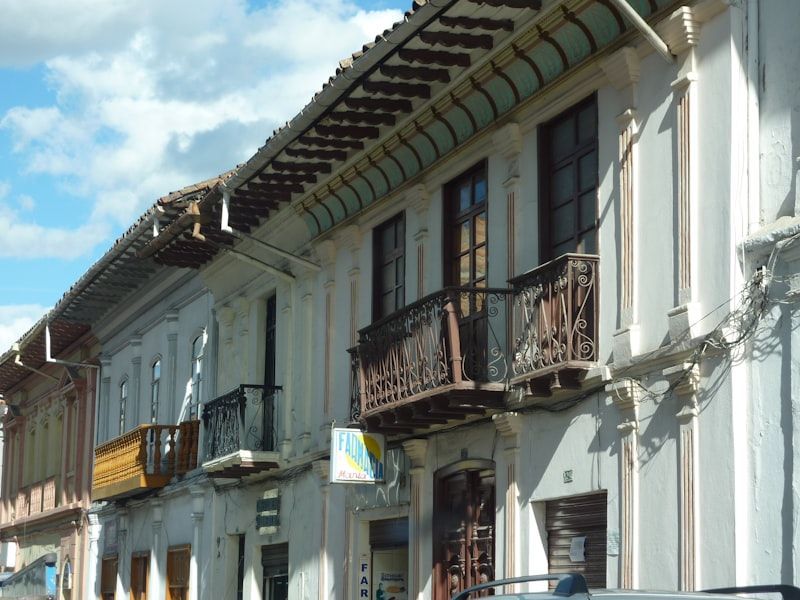
- Easy walks in the UNESCO-listed historic center, framed by colonial architecture and plazas.
- Quiet afternoons along the Tomebamba River or in Parque Calderón for calm, low-impact recovery time.
- Day trips to Cajas National Park for fresh air and light hikes if your clinician approves.
- Plenty of cafes, parks, and gentle sightseeing that don’t strain healing tissues.
Many patients find that combining dental work with a restful stay reduces stress and improves overall satisfaction with the process.
Language, Communication, and Personalized Care
English is commonly spoken in Cuenca’s dental clinics, particularly those that serve international patients. Staff often include bilingual coordinators who manage appointments, hotel pickups, and follow-up communication. Because clinics tend to be smaller and privately owned, you’ll often get one-on-one attention from the dentist rather than rotating through a large team—this personalized approach translates into better communication, tailored care, and an easier recovery experience.
Always request a full written estimate, a clear materials list, a warranty or guarantee policy, and contact information for remote follow-up. Good clinics will provide all of these and will send post-op instructions in English.
Safety, Accreditation, and How to Vet Clinics
Safety is understandably the top concern for anyone traveling for medical procedures. To vet a Cuenca clinic:
- Check for local accreditation and membership in professional dental societies.
- Read patient reviews on third-party sites and ask for before-and-after case photos (not just testimonials).
- Confirm sterilization protocols, the use of single-use disposables where applicable, and modern imaging equipment (digital x-rays, CBCT).
- Ask if the dentist has specialty training (prosthodontics, implantology) and whether they attend continuing education courses.
- Request a written treatment plan that includes total costs, warranty terms, and contingency plans for unexpected findings.
Money Matters: Payment, Insurance, and Warranties
Most Cuenca clinics accept major credit cards, bank transfers, and cash. Dental tourism facilitators sometimes help arrange payment and financing. Important financial tips:
- Get a written invoice and receipt for all payments and ask for an itemized breakdown: lab fees, materials, anesthesia, postop visits.
- Check if your home dental insurance reimburses portions of international care; many plans will cover a fraction with documentation.
- Ask about warranties: many clinics offer 1–5 year material and workmanship guarantees, but it’s crucial to get this in writing.
Sample Itineraries: How to Structure Your Dental Vacation
Here are two practical itineraries depending on your needs:
Short Trip: 7–10 Days (2–3 Crowns)
- Day 1: Arrival and initial consultation, imaging, treatment plan.
- Day 2: Tooth preparation and provisionals.
- Day 3–7: Relax, sightseeing, and light activities while lab fabricates crowns.
- Day 8–10: Final crown delivery and minor adjustments, return home.
Extended Trip: 2–3 Weeks (Multiple Crowns or Initial Phase of Implants)
- Week 1: Comprehensive planning, extractions or implant placement if needed, provisionals placed.
- Week 2: Healing, follow-up visits, and lab work for final restorations.
- Week 3: Final restorations delivered or temporary restorations fitted before your return home; schedule remote follow-up.
Final Considerations: Value Beyond Price
Choosing Cuenca for dental crowns isn’t just about lower prices—though that is a compelling factor. It’s about value: superior materials, skilled clinicians, modern labs, fast turnaround, and a recovery environment that supports healing and relaxation. When you factor in personalized care, clear communication, and the ability to pair treatment with a restorative vacation in a UNESCO city, Cuenca becomes a very smart choice.
If you’re ready to explore options, start with a virtual consultation, gather your records, and plan for a stay that balances treatment days with leisure days. Many patients return home not just with new crowns, but with new confidence—plus the memories of an easy recovery in one of South America’s most beautiful cities.
Quick Checklist Before You Book
- Request a virtual consultation and a written treatment plan with cost breakdown.
- Verify dentist credentials and ask for recent case photos.
- Confirm clinic technology: digital x-rays, intraoral scanners, CBCT, and lab partnerships.
- Plan travel time: 7–10 days for crowns; longer for implant-based treatments.
- Arrange comfortable, centrally located lodging to support recovery.
- Get written warranty information and post-op communication details.
Cuenca offers an unbeatable combination: high-quality dental care, significant savings, modern clinics, personalized service, and an idyllic place to recover. For anyone considering crowns, implants, or veneers, this city is more than a bargain—it’s a dental destination built to deliver results and restore your smile.
Adam Elliot Altholtz serves as the Administrator & Patient Coordinator of the “Smilehealth Ecuador Dental Clinic“, along with his fellow Expats’ beloved ‘Dr. No Pain‘, right here in Cuenca, Ecuador, and for purposes of discussing all your Dental needs and questions, is available virtually 24/7 on all 365 days of the year, including holidays. Adam proudly responds to ALL Expat patients from at least 7:00am to 9:00pm Ecuador time, again every single day of the year (and once more even on holidays), when you write to him by email at info@smilehealthecuador.com and also by inquiry submitted on the Dental Clinic’s fully detailed website of www.smilehealthecuador.com for you to visit any time, by day or night. Plus, you can reach Adam directly by WhatsApp at +593 98 392 9606 -or by his US phone number of 1‐(941)‐227‐0114, and the Dental Clinic’s Ecuador phone number for local Expats residing in Cuenca is 07‐410‐8745. ALWAYS, you will receive your full Dental Service in English (NEVER in Spanish), per you as an Expat either living in or desiring to visit Cuenca by your Dental Vacation, plus also to enjoy all of Ecuador’s wonders that are just waiting for you to come arouse and delight your senses.