
Table of Contents
Introduction: A New Era for Dental Imaging in Cuenca
Cuenca’s dental scene has evolved rapidly in the last decade. Where film X-rays once dominated, digital dental radiography is now widely available in private clinics and many public practices. For expats and locals alike, this shift means faster visits, clearer images, and less exposure to radiation. This article breaks down why digital dental X-rays matter, how they work, and practical tips for getting the best care in Cuenca, Ecuador.
What Are Digital Dental X-Rays?
Digital dental X-rays replace traditional film with electronic sensors that capture images of teeth, bone, and soft tissues. These images are processed instantly on a computer and can be enhanced, enlarged, or shared with specialists. Variations include intraoral sensors for bitewings and periapicals, panoramic digital images, and cone-beam computed tomography (CBCT) for three-dimensional views when needed.
Top Advantages of Digital X-Rays for Cuenca Patients
Digital radiography brings multiple benefits, especially in a city like Cuenca where many clinics serve both Ecuadorians and international patients. Here are the main advantages:
- Lower radiation dose: Digital sensors are more sensitive, so they require less radiation than film. Clinics follow the ALARA principle (As Low As Reasonably Achievable) to minimize exposure.
- Immediate results: Images are available within seconds, reducing appointment time and allowing same-day diagnoses and treatment planning.
- Enhanced diagnostics: Dentists can zoom in, change contrast, and use measurement tools that reveal decay, bone loss, and root canal anatomy more precisely.
- Easy storage and sharing: Digital files integrate with electronic records and can be emailed or uploaded to cloud platforms—handy for expats who consult specialists abroad or switch dentists.
- Environmentally friendly: No chemical processing of films reduces hazardous waste.
- Long-term cost savings: Although some clinics charge a small premium for digital imaging, the efficiency and reduced need for retakes save time and money overall.
How Digital X-Rays Improve Common Dental Treatments in Cuenca
Digital imaging touches nearly every area of dentistry. In Cuenca, where many patients pursue restorative work, implants, or orthodontics, high-quality images are indispensable.
- Fillings and decay detection: Bitewings help find early decay between teeth, allowing for less invasive treatment.
- Root canals: Precise periapical images reveal canal anatomy and are useful at every stage of endodontic care.
- Implant planning: Panoramic and CBCT images guide implant placement, helping avoid nerves and sinuses and improving outcomes.
- Orthodontics: Digital cephalometric and panoramic images support accurate treatment planning for braces and clear aligners.
- Periodontal care: Bone-level assessments aid in staging gum disease and monitoring progression.
Digital vs. Traditional Film: Practical Differences for Patients
Patients often notice that digital X-rays feel more modern and efficient. Here are concrete differences you’ll experience during a visit in Cuenca:
- Speed: No waiting for film to develop; images appear on-screen almost instantly.
- Comfort: Sensors are often slimmer than film holders, reducing gag reflex triggers for many patients.
- Fewer retakes: Dentists can adjust image settings on the spot, lowering the chance of retakes.
- Copies of images: You can request a CD, USB, or electronic transfer—useful if you travel or plan to see a specialist.
Radiation Safety: What to Expect and What to Ask
One common concern is radiation. Digital systems significantly reduce dose, but it’s reasonable to ask a few questions before your X-ray:
- Do you use digital sensors or phosphor plates?
- What is the typical dose for a bitewing or panoramic image?
- Is a lead apron and thyroid collar provided?
- Can you limit X-rays to the minimum necessary for diagnosis?
Most clinics in Cuenca follow international safety standards. Pregnant patients should always inform the dentist; in many cases, X-rays are postponed unless absolutely necessary and extra shielding is used when needed.
Navigating Cost and Insurance in Cuenca
Costs vary depending on the type of image and the clinic’s location. In central neighborhoods near Parque Calderón and El Centro, premium clinics may charge more, while community clinics and practices in outer barrios can be more affordable. Typical price ranges (approximate):
- Bitewing or periapical digital X-ray: often modestly priced or included in a dental exam.
- Panoramic digital X-ray: higher cost but still reasonable compared to many countries.
- CBCT (3D): more expensive due to the advanced equipment—used for implants or complicated cases.
Many Ecuadorian insurance plans and international medical insurance policies for expats cover dental imaging to varying degrees. Always confirm coverage before the visit and ask if the clinic provides written estimates. Cash payments are common, but many clinics also accept cards and transfers.
Choosing the Right Clinic in Cuenca: Practical Tips
When selecting a dental clinic in Cuenca, look beyond price. Consider experience, equipment, and communication—especially if Spanish isn’t your first language. Here’s a checklist to guide your decision:
- Equipment quality: Ask whether the clinic uses intraoral sensors and whether they have panoramic or CBCT units if needed.
- Digital records: Clinics that maintain electronic charts make it easier to transfer your images or email them to consultants.
- Language support: Many dentists in Cuenca speak English, but confirm this ahead of time if you’re an expat who prefers English communication.
- Accreditation and hygiene: Look for clean, modern offices and dentists who follow sterilization protocols.
- Reviews and referrals: Ask other expats or local community groups for recommendations; online forums can also help.
What to Expect During Your Appointment
Here’s a typical flow for an appointment that includes digital X-rays in Cuenca:
- Check-in and basic health questions (allergies, medications, pregnancy).
- Brief clinical exam by the dentist or hygienist.
- Digital X-rays taken—sensors are placed in the mouth or a panoramic/CBCT machine is used.
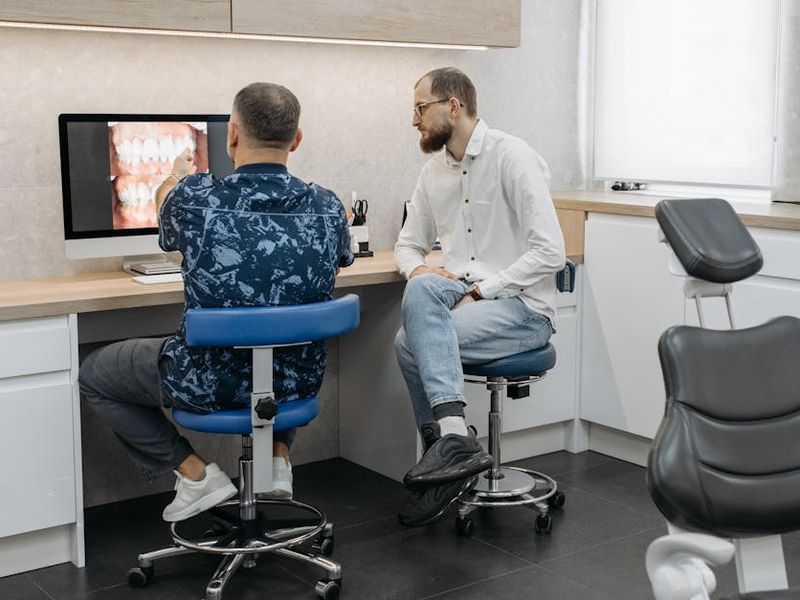
- Images appear on-screen and are reviewed together with the dentist.
- Treatment options are discussed, pricing given, and follow-up scheduled if needed.
Bring a list of medications and prior dental records if available. If you’re an expat, request copies of the digital images to keep in your personal records.
Digital Imaging for Children and Seniors
Digital X-rays are especially valuable across age groups. For children, the lower radiation dose and quick imaging reduce stress during appointments. Pediatric dentists in Cuenca often use smaller sensors and child-friendly techniques. For seniors, digital images help monitor bone loss and periodontal disease—the high-resolution files make long-term comparisons simple.
Tele-dentistry and Remote Consults: A Boon for Expats
One of the biggest advantages of digital imaging is the ease of remote consultation. If you plan to travel outside Cuenca or consult a specialist abroad, images can be emailed or shared via secure portals. Many dentists in Cuenca already collaborate with specialists in Quito or with international colleagues to provide second opinions—this is a major convenience for expats juggling healthcare across borders.
Maintenance, Upgrades, and What to Watch For
High-quality imaging relies on well-maintained equipment. Ask your dentist how often sensors and software are serviced. Clinics that invest in recent software updates and backup systems are less likely to lose files. If a clinic still hands you film or processes X-rays manually, ask whether they have plans to upgrade—digital is becoming standard, and clinics that lag may also lag in other aspects of care.
Common Myths About Dental X-Rays Debunked
There’s plenty of misinformation about dental radiography. Here are a few common myths cleared up:
- Myth: X-rays always pose a serious health risk. Fact: Modern digital X-rays use very low radiation doses; safety protocols make them safe for most patients.
- Myth: Film is better than digital. Fact: Digital often provides clearer, more flexible diagnostic options and fewer repeat exposures.
- Myth: You don’t need X-rays unless you have pain. Fact: Many issues like early decay and bone loss are asymptomatic; periodic imaging helps catch problems early.
Preparing for Your Visit: A Quick Expat Checklist
To get the most from your appointment in Cuenca, use this short checklist:
- Bring any prior dental records and a list of medications.
- Confirm whether the clinic offers digital copies of your images.
- Ask about pricing and whether images are included in the consultation fee.
- Request English-speaking staff if needed, or bring a translator.
- Notify the clinic if you are pregnant or have recent medical tests that might affect imaging decisions.
Final Thoughts: Digital X-Rays Are a Smart Choice in Cuenca
Digital dental X-rays are more than just a convenience—they’re a step forward in safer, faster, and more accurate dental care. For expats living in or visiting Cuenca, the ability to access high-quality imaging means better diagnoses, easier second opinions, and continuity of care whether you stay locally or travel. As you evaluate clinics, prioritize up-to-date equipment, clear communication, and the option to receive digital copies of your records. With those factors in place, you’ll be well positioned to benefit from the modern approach to oral health that digital radiography provides.
Resources and Next Steps
If you’re ready to schedule a checkup in Cuenca, call ahead to verify the clinic’s imaging capabilities and whether they provide digital copies for export or remote consultation. Connecting with local expat groups can also yield personal recommendations tailored to your language needs and budget. Embracing digital X-rays is a small step that can make a big difference in your dental health journey in Ecuador.