
Table of Contents
Introduction: A New Era of Dental Tourism
More travelers are pairing medical care with vacation time, and Cuenca, Ecuador has emerged as a leading global hub for dental tourism. For visitors from the United States, Canada, and Europe, Cuenca offers breathtaking colonial charm and an unbeatable value proposition for dental implants, crowns, veneers, and complex restorative work. If you want world-class care without the price tag—or a healing trip where you can stroll cobblestone streets between appointments—read on. This article explains why Cuenca is the best place on the planet for a dental vacation and gives practical steps to plan your trip.
Why Cuenca? The Big Picture
Cuenca checks every box that matters for dental tourism: extremely competitive pricing, highly trained dentists, modern clinics with advanced technology, short wait times, and a beautiful, calm city that supports recovery. The combination of affordability and quality—paired with the ability to enjoy Ecuador’s culture, gastronomy, and nature—makes Cuenca more than a low-cost option. It’s a smart, holistic choice for transforming your smile.
Massive Savings Without Sacrificing Quality
Cost is the headline reason most people travel for dental care—and Cuenca delivers. Typical savings are 60–70% compared to the United States and Canada. To illustrate:
- Single dental implants that can cost $3,000–$6,000 in North America often range from $800–$2,000 in Cuenca.
- Porcelain crowns commonly priced at $800–$1,500 at home are frequently $200–$400 in Cuenca.
- Veneers that cost $1,000–$2,500 per tooth in the U.S. can be $250–$600 in Cuenca.
These savings make possibilities realistic—full-mouth restorations, implant-supported bridges, and premium esthetic work become affordable without long-term financial strain.
World-Class Dentists and Education
Cuenca’s dental professionals are not hobbyists; many are educated at top universities in Ecuador, with additional training and residencies abroad in the U.S., Europe, and other Latin American centers. Dentists in Cuenca frequently attend international conferences, keep up with evidence-based protocols, and pursue specialist training in implantology, prosthodontics, and esthetic dentistry.
What that means for patients: careful diagnostic workups, customized treatment plans, and clinicians who can explain options clearly. Many practices include staff fluent in English, which simplifies communication and reduces stress during procedures.
Modern Clinics, Cutting-Edge Technology
Cuenca’s clinics invest in technology you’d expect in major urban centers: cone beam CT (CBCT) imaging for 3D diagnostics, intraoral scanners (digital impressions), CAD/CAM milling for same-day crowns, high-quality dental laboratories, sterilization standards modeled on international protocols, and implant systems from respected global manufacturers. Clinics offering full-service care from diagnosis to lab fabrication allow for smoother workflows and higher predictability.
Short Wait Times and Personalized Care
Unlike some international medical destinations where you book months in advance, many Cuenca clinics can arrange consultations and treatments within days to weeks. This quick scheduling reduces the time you need to be away from work and family.
Personalized one-on-one care is another hallmark. With smaller patient loads than large metropolitan practices, dentists in Cuenca often spend extra time on initial consultations, explaining options, demonstrating digital treatment plans, and following up personally. This continuity builds trust and supports better outcomes.
Cuenca as the Ideal Recovery Environment
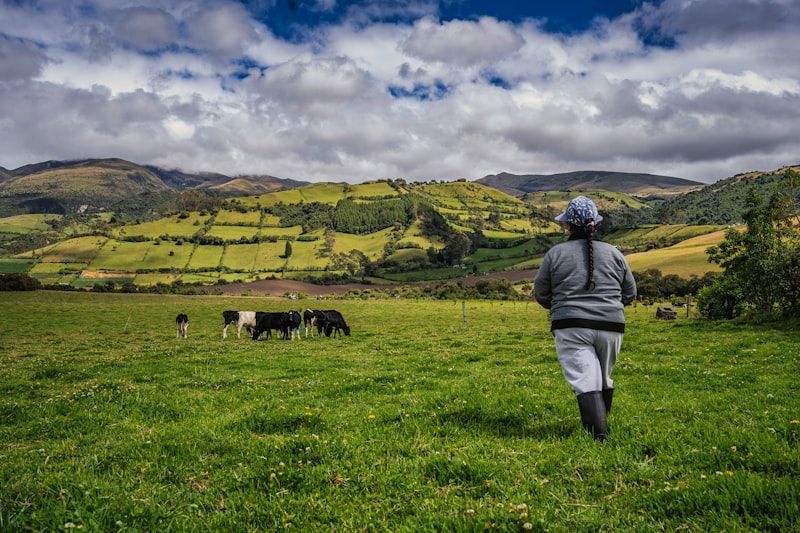
Recovery matters. Cuenca sits at roughly 2,500–2,600 meters (about 8,500 feet) above sea level and enjoys mild, spring-like weather year-round—perfect for gentle walks and low-impact activities after dental procedures. The city’s compact historic center, river walks along the Tomebamba, and quiet coffee shops create a relaxed environment that promotes healing.
Beyond the city, there are pristine highland landscapes, Cajas National Park for day hikes, and cultural sites like the Museo Pumapungo and artisan markets where you can enjoy slow, restorative experiences between appointments.
Combine Dental Care with a Memorable Vacation
A dental vacation in Cuenca doesn’t mean sitting in a clinic the whole time. Most patients structure their trip so clinical days are balanced with sightseeing and low-key activities:
- Schedule the initial consultation and imaging on Day 1, then relax and explore the historic center while the treatment plan is prepared.
- Undergo procedures like crowns or veneers spaced over several days and reserve sightseeing for non-procedure afternoons or days when anesthesia effects have worn off.
- If you’re getting implants, plan the surgical phase first and use the healing interval for gentle excursions—museums, markets, and scenic drives—before returning for restorations.
This flexibility transforms necessary medical care into a rejuvenating trip: imagine a café lunch with views of Parque Calderón between appointments, or an afternoon in a botanical garden while a dental lab fabricates your prosthetic.
Practical Timelines: How Many Trips Do You Need?
Treatment plans vary by procedure. Here are common scenarios to help you plan:
- Simple crowns or veneers: Many clinics can complete 4–10 crowns or veneers in one 10–14 day trip using digital impressions and local labs or CAD/CAM same-day technology.
- Implants with staged approach: Surgery (implant placement) followed by a 3–4 month healing period, then a second visit for abutments and prosthetics. Some practices offer immediate load implants or guide shorter intervals—confirm with your clinician.
- Full-mouth reconstructions: Often require a coordinated multi-phase plan; many patients choose to do major surgical phases in Cuenca and final esthetic phases either in Cuenca or back home depending on preference.
Many clinics now offer comprehensive packages that include treatment planning, surgery, prosthetics, and a timeline with exact dates—excellent for coordinating travel.
Logistics: Getting There, Where to Stay, and What to Bring
Cuenca is served by a regional airport (Mariscal Lamar), with many international travelers connecting through Quito (UIO) or Guayaquil (GYE) and flying a short domestic leg. Buses and private transfers are reliable alternatives if you arrive at a nearby city.
Where to stay: choose accommodation in or near the historic center (Centro Histórico) for easy walking access to clinics, restaurants, and pharmacies. Short-term rentals and boutique hotels are plentiful, and many cater to international visitors. Consider proximity to your clinic to minimize transit after procedures.
Bring these essentials:
- Copies of recent dental records, x-rays, and your medical history.
- A list of medications and any allergies.
- Comfortable shoes for walking and layers—Cuenca’s weather can change quickly.
- Travel insurance that covers dental tourism or medical evacuation if you choose, and clear remote follow-up arrangements.
Safety, Regulations, and Patient Protections
Ecuador uses the U.S. dollar as its currency, which simplifies budgeting. Many clinics in Cuenca are entirely transparent about pricing and will provide written quotes and treatment timelines. Ask about warranties on implants and prosthetics—reputable clinics offer guarantees and clear aftercare plans.
Safety-wise, Cuenca is considered one of Ecuador’s more stable and tourist-friendly cities. Standard travel precautions apply—secure belongings, use licensed taxis or ride apps, and follow your clinic’s pre-op and post-op instructions.
Communication and Follow-Up Care
Effective follow-up is critical. Most established clinics in Cuenca maintain clear lines of communication via WhatsApp, email, and telemedicine consults after you return home. Ask how they handle emergencies, postoperative checks, and warranties. Many teams collaborate with labs and suppliers internationally, which ensures continuity and quality control.
Budgeting and What to Expect Contractually
Before committing, request a detailed written estimate that lists materials, lab fees, follow-up appointments, and any potential additional costs. Transparent clinics will also explain the type of implant system they use, crown materials (porcelain vs. zirconia), and the expected longevity of restorations. This clarity prevents surprises and makes it easier to weigh the 60–70% savings against long-term value.
Local Experience: Food, Culture, and Recovery-Friendly Activities
Cuenca’s culinary scene blends Andean flavors, fresh produce, and international cuisine—perfect for a recovering patient who wants nourishing, low-sodium meals. Visit the artisan market for handmade ceramics and textiles, relax by the Tomebamba River, or watch the sunset from a rooftop café. Easy day trips to Cajas National Park or Ingapirca ruins are restorative, not exhausting, making them ideal between treatment phases.
How to Choose the Right Clinic in Cuenca
With many options, select a clinic based on:
- Transparent pricing and detailed treatment plans.
- Evidence of training and continued education for dentists.
- Clear infection-control and sterilization protocols.
- Technology offerings (CBCT, intraoral scanning, CAD/CAM) that match your needs.
- Positive verified patient reviews and before/after cases.
- Good English communication and reliable remote follow-up.
Real Value: Why It’s More Than Cheap Dental Work
Choosing Cuenca isn’t just about lower prices. It’s about accessing a full-service experience: highly trained clinicians, modern equipment, careful diagnostic planning, and the opportunity to heal in a beautiful environment. The ability to return home with high-quality implants, crowns, or veneers at a fraction of the cost—and to enjoy a culturally rich vacation while you do it—is a rare combination.
Final Tips Before You Book
- Request digital photos and a consultation (many clinics offer virtual consultations) before you travel.
- Confirm all parts of the package in writing, including warranties and follow-up care.
- Plan for contingency time—combine treatment days and recovery days to avoid rushing home prematurely.
- Check current travel advisories and entry requirements—U.S. and Canadian visitors typically receive short tourist stays without a visa, but confirm based on your nationality.
Conclusion: A Smart, Memorable Choice
For anyone considering major dental work, Cuenca, Ecuador is a compelling option. The 60–70% cost savings are substantial, but the real advantage is pairing exceptional clinical care with a restorative travel experience. Modern clinics, highly trained dentists, short wait times, and an inviting recovery environment make Cuenca a top pick for dental tourism. Whether you need a single implant, a set of veneers, or a full-mouth restoration, Cuenca offers incredible value—and the added bonus of exploring one of Ecuador’s most beautiful and culturally vibrant cities while you heal.
Ready to explore dental vacation options? Start with a virtual consultation, compare treatment plans, and build a travel timeline that balances care with the joy of discovery. Your smile—and your passport—will thank you.
Adam Elliot Altholtz serves as the Administrator & Patient Coordinator of the “Smilehealth Ecuador Dental Clinic“, along with his fellow Expats’ beloved ‘Dr. No Pain‘, right here in Cuenca, Ecuador, and for purposes of discussing all your Dental needs and questions, is available virtually 24/7 on all 365 days of the year, including holidays. Adam proudly responds to ALL Expat patients from at least 7:00am to 9:00pm Ecuador time, again every single day of the year (and once more even on holidays), when you write to him by email at info@smilehealthecuador.com and also by inquiry submitted on the Dental Clinic’s fully detailed website of www.smilehealthecuador.com for you to visit any time, by day or night. Plus, you can reach Adam directly by WhatsApp at +593 98 392 9606 -or by his US phone number of 1‐(941)‐227‐0114, and the Dental Clinic’s Ecuador phone number for local Expats residing in Cuenca is 07‐410‐8745. ALWAYS, you will receive your full Dental Service in English (NEVER in Spanish), per you as an Expat either living in or desiring to visit Cuenca by your Dental Vacation, plus also to enjoy all of Ecuador’s wonders that are just waiting for you to come arouse and delight your senses.