
Table of Contents
Introduction: A New Kind of Vacation—Dental Care Plus Adventure
If you’ve been delaying dental implants, crowns, or veneers because of high costs or long wait times at home, consider Cuenca, Ecuador: a charming colonial city that has quietly become one of the best dental tourism destinations on the planet. Here you can receive high-quality, modern dental care at 60–70% lower cost than the U.S. or Canada, recover in a peaceful Andean setting, and enjoy cultural and outdoor attractions while you heal.
Why Cuenca Is Ideal for Dental Tourism
Cuenca’s appeal for dental tourists is a combination of economics, quality and lifestyle. The city offers dramatic cost savings—often 60–70%—without sacrificing standards. Dentists in Cuenca receive excellent training, many with postgraduate education and international continuing education. Clinics consistently invest in cutting-edge technology like 3D CBCT imaging, digital scanning, CAD/CAM milling, and modern sterilization systems. That means top-tier outcomes for a fraction of the price you’d pay in North America.
Cost Comparison: How Much You Can Save
One of the clearest motivators for dental tourism is cost. Typical U.S./Canada prices compared with Cuenca’s ballpark figures illustrate why patients travel:
- Dental implant (including crown): U.S./Canada $3,000–$6,000 vs. Cuenca $900–$1,800
- Crown (porcelain/zirconia): U.S./Canada $800–$1,700 vs. Cuenca $200–$400
- Porcelain veneers (per tooth): U.S./Canada $900–$2,500 vs. Cuenca $250–$600
These figures represent typical ranges—exact pricing depends on materials, the clinic’s level of technology, and case complexity—but the bottom line remains: you can often save 60–70% while receiving care from well-trained clinicians.
World-Class Dentists and Education
Dentists in Cuenca often graduate from highly respected Ecuadorian universities and seek postgraduate training or seminars abroad in the U.S. and Europe. Many clinics advertise staff who are fluent in English and experienced treating international patients. Before you book, ask clinics about credentials, continuing education, and where their dentists completed specialty training. Most reputable clinics are transparent about qualifications and can provide before/after photos and references.
Modern Clinics, Advanced Technology
Don’t expect old-school facilities. The best clinics in Cuenca use the same equipment you’d see in major U.S. or European centers—3D cone beam CTs for precise implant planning, digital intraoral scanners for accurate crowns and veneers, in-house labs and CAD/CAM milling for same-day restorations, and modern sterilization protocols. These technologies reduce treatment time and improve fit and aesthetics while keeping infection control high.
The Cuenca Recovery Advantage: Climate, Calm, and Convenience
Healing is easier in a comfortable, low-stress environment. Cuenca’s mild mountain climate, clean air, and relaxed pace make it an ideal recovery destination. The city’s elevation (about 2,560 meters / 8,400 feet) provides cool, steady weather year-round, with sunny mornings and cool afternoons—perfect for short, restorative walks and light sightseeing between checkups.
After an implant placement or extensive work, you can rest in a colonial courtyard hotel, enjoy gentle strolls in Parque Calderón, sip coffee at a local café, and dine on nutritious meals made from fresh local produce. The tranquil environment is healing in itself and beats the sterile atmosphere of a clinic-only trip.
Combine Treatment With Tourism: What to Do Between Appointments
Cuenca is UNESCO-listed for a reason: the historical center is visually gorgeous and easy to explore. Gentle, low-impact activities are ideal during recovery days:
- Stroll the cobbled streets of the Old Town and visit the Catedral Nueva for photos and relaxation.
- Explore local artisan markets—great for souvenirs and window shopping while keeping activity light.
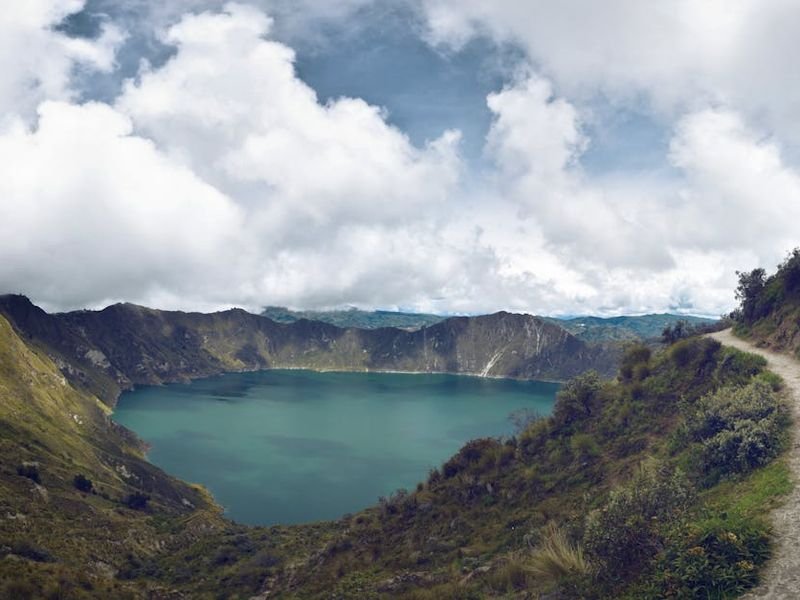
- Take gentle day trips to Cajas National Park for short hikes and birdwatching at highland lakes.
- Enjoy the city’s cafés, museums, and botanical gardens for peaceful downtime.
These options allow you to enjoy a memorable vacation while keeping activity levels appropriate for dental recovery.
Short Wait Times and Appointment Flexibility
Compared with long treatment backlogs in many Western countries, dentists in Cuenca typically offer short waiting periods for consultations and procedures. Many international patients can secure appointments within days or weeks rather than months. Some clinics also offer coordinated scheduling for multi-stage treatments—ideal for patients traveling from abroad who need to plan a return visit for final restorations.
Personalized, One-on-One Care
One often-cited difference by returning patients is the level of personalized care. Clinics that cater to international patients emphasize a concierge-style approach: private consultations, detailed treatment plans, personalized aftercare instructions, and direct communication with the dentist rather than an assistant. This kind of individualized attention helps reduce anxiety and improves outcomes.
Practical Timeline for Common Procedures
Understanding the timeline helps you plan your trip and vacation time.
- Implants: Standard approach often requires two visits—initial surgery with implant placement and a healing period (3–4 months) before the final crown. Some clinics offer immediate-load implants and same-day crowns for select cases, shortening travel needs.
- Crowns and veneers: With digital scanning and in-house milling, some clinics can deliver permanent crowns or veneers in 1–2 visits over a week. Otherwise, expect two to three visits across 1–2 weeks.
- Full-mouth reconstructions: These typically require a staged plan, with careful pre-planning and possible returns; however, full-arch immediate-load options are available for candidates in good general health.
Ask clinics about treatment sequencing, the possibility of consolidating visits, and the brand of implants and materials to ensure they match your expectations.
Choosing the Right Clinic: Questions to Ask
Not every clinic is the same. Use this checklist when researching providers:
- Are the dentists licensed and what are their postgraduate credentials?
- Do they use digital diagnostics (CBCT, intraoral scanning)?
- What implant brands and crown materials do they use?
- Can they show before/after photos of similar cases?
- What are the payment methods, guarantees, and follow-up policies?
- Do they offer coordination for travel, accommodation, and translations?
Reputable clinics will answer these directly and provide references from international patients.
Safety, Sterilization, and Local Standards
High-quality clinics in Cuenca follow rigorous sterilization and infection control protocols that meet international standards. When you visit, you should be able to see sterilization areas, ask about autoclave processes, and confirm waste disposal procedures. Many clinics are accustomed to international visitors and will gladly explain their safety measures.
Language, Communication, and Concierge Help
Language can be a concern, but many dental teams in Cuenca speak English. Clinics often provide English-speaking coordinators or translators to guide international patients through appointments, recovery instructions, and local logistics. If you prefer extra support, arrange a dental tourism coordinator or concierge package that includes airport transfers and translation services.
Accommodation and Recovery-Friendly Lodging
Cuenca offers a wide range of lodging suited to dental tourists—boutique hotels around the historic center, long-stay Airbnbs, and modern hotels with quiet courtyards. If you’re recovering from oral surgery, look for accommodation with comfortable beds, easy access to nearby pharmacies and clinics, and a kitchen or restaurant options that cater to soft diets. Many patients choose hotels within a 10–20 minute taxi ride to their clinic for convenience.
Travel Logistics: Getting There and Getting Around
Most international travelers fly into Quito or Guayaquil and then take a short domestic flight to Cuenca’s Mariscal La Mar Airport (CUE). Domestic flights are frequent and only about 45–60 minutes. If you prefer a scenic overland route, buses from Guayaquil take about 3–4 hours and offer comfortable, affordable options. Once in Cuenca, taxis and ride apps are inexpensive and the historic center is very walkable.
Insurance, Payments, and Warranties
Most U.S. and Canadian dental insurance plans don’t reimburse for treatment outside the country, but even without insurance you can still save substantially. Private financing or payment plans are often available directly through clinics. Ask about payment methods (credit card, bank transfer, or cash), cancellation policies, and warranties for implants and prosthetics. Many clinics offer limited warranties on their work and will provide post-op support if follow-up care is needed.
Aftercare and Home Follow-Up
After you return home, your local dentist may handle routine follow-up. Before you travel, ask your Cuenca dentist to provide a detailed report and digital records you can share with your local dentist. Good clinics will provide comprehensive aftercare instructions, a timeline for healing, and emergency contact information. Some provide remote check-ins via video calls during the early healing phase.
Tips for a Comfortable Dental Vacation
- Plan ahead: schedule consultations and travel dates early—book the clinic and flights before securing lodging.
- Bring a travel kit with soft-food snacks, pain medications (as approved by your dentist), and any prescribed antibiotics.
- Arrange for at least a few days of low-activity recovery in Cuenca after major procedures.
- Verify materials and brands to avoid surprises—ask for written estimates and treatment plans.
- Don’t choose purely by price—value is quality plus cost savings plus reliable follow-up care.
Real Value: Not Just Lower Cost, Better Experience
Choosing Cuenca for dental work isn’t just about saving money—though that factor alone is life-changing for many. It’s about receiving modern, high-quality dental care in a human-scale city where personalized attention is the norm, wait times are short, and the environment supports healing. Patients report that the combination of excellent clinical outcomes, friendly service, and the chance to explore a beautiful UNESCO-listed city makes the trip feel like a true dental vacation, not just a medical errand.
Final Thoughts: Is Cuenca Right for Your Dental Work?
If you’re weighing options for implants, crowns, or veneers, Cuenca deserves serious consideration. With steep cost savings (often 60–70%), trusted, well-trained clinicians, advanced clinic technology, and a recovery-friendly setting, Cuenca offers exceptional overall value for dental tourists. Do your homework: verify credentials, request case photos, discuss timelines, and plan a stay that balances treatment with restful exploration. When done right, a trip to Cuenca can restore your smile and leave you with unforgettable travel memories.
Next Steps
Start by compiling a shortlist of clinics, request detailed treatment plans and cost estimates, and compare timelines. Consider a preliminary virtual consultation to confirm suitability and build a comfortable plan. With good planning, you can combine world-class dental care with a rejuvenating Andean getaway—Cuenca makes it possible.