
Table of Contents
Cuenca and Dental Tourism: An Introduction
Imagine getting a high-quality dental implant, crown, or veneer from a clinic that uses state-of-the-art technology, pays close personal attention to your care, and saves you 60–70% compared with U.S. or Canadian prices — all while you recover in a charming colonial city with parks, riverside walks, and excellent food. That’s the reality for thousands of people who choose Cuenca, Ecuador as their dental vacation destination. In this article, you’ll learn why Cuenca stands out as the best place in the world for dental tourism and how to plan a trip that blends top-tier treatment with a restorative vacation.
Why Cost Savings Matter — And How Big They Really Are
Cost is the single biggest driver for dental tourism, and Cuenca delivers dramatic savings. Many patients report paying 60–70% less for implants, crowns, and veneers than in the U.S. or Canada. For example, a single dental implant (implant body, abutment, and crown) that might cost US$3,000–6,000 in North America can often be done in Cuenca for roughly US$800–1,800, depending on materials and whether bone grafting or advanced imaging is needed. Similarly, porcelain crowns and veneers often cost a fraction of North American prices.
Those savings mean you can afford higher-spec materials, additional cosmetic work, or a more luxurious recovery stay without breaking your budget. Patients frequently reinvest their savings into upgraded crowns, smile design packages, or extended vacations in Ecuador.
World-Class Dentists and Modern Clinics
One misconception about dental tourism is that lower cost means lower quality. In Cuenca this is rarely true. Many dentists trained at leading universities in Ecuador and abroad — and numerous practitioners complete advanced courses in implantology, prosthodontics, and aesthetic dentistry in Europe and North America. Clinics in Cuenca are modern, often equipped with digital imaging (CBCT), intraoral scanners, CAD/CAM milling machines, 3D printing, and sterilization facilities that match international standards.
Beyond equipment, the model of care in Cuenca tends to be highly personalized: smaller patient rosters, one-on-one attention from the dentist rather than being handed off to assistants, and a focus on patient comfort. Many clinics also offer bilingual staff and international patient coordinators to manage logistics, appointments, and translation if needed.
Short Wait Times and Flexible Scheduling
Unlike many public health systems or busy practices in major cities, private dental clinics in Cuenca generally offer short wait times. You can often schedule a consultation within days of contacting a clinic and get surgical appointments scheduled within a week or two. That flexibility makes it possible to coordinate treatment with vacation plans and allows faster progress through multi-stage procedures like implants with staged healing.
For patients who need urgent or timely work, this responsiveness is a major advantage. Clinics frequently accommodate travelers by consolidating multiple appointments into one trip, providing temporary restorations, and coordinating timelines so you can get the care you need without lengthy delays.
How a Dental Vacation in Cuenca Works — Timelines and Options
Understanding the timelines for common procedures helps you plan a comfortable dental vacation:
- Crowns & veneers: These cosmetic restorations can often be completed in as little as 3–7 days at clinics with in-house CAD/CAM. You’ll have an initial consultation, preparation and digital scans, a temporary restoration if needed, and a final seat within a week.
- Single implants: Standard implant placement is typically a one-day surgical appointment followed by a healing period (commonly 3–4 months) for osseointegration. Many clinics offer temporary crowns so you can leave with a pleasant smile and return later for a final restoration, or choose immediate-load options when clinically appropriate.
- Full-arch solutions (All-on-4/All-on-X): These can sometimes be completed in a shorter medical vacation window. Many clinics provide immediate dentures or fixed temporary prostheses and then finalize permanent restorations after healing.
Because implant treatment can span months, many dental tourists plan either two trips (surgery and later final restoration) or choose clinics offering high-quality temporaries during the healing phase so the vacation portion can be completed in one visit.
Why Cuenca’s Recovery Environment Is Ideal
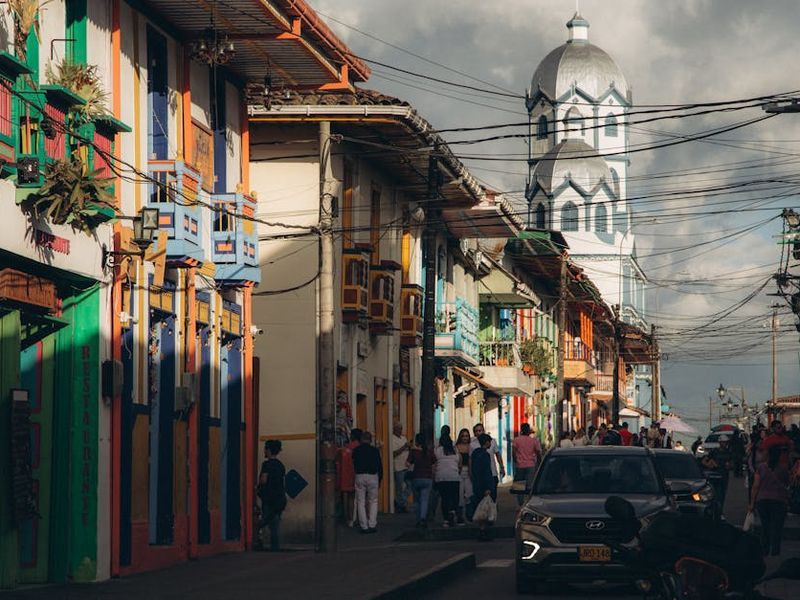
Cuenca’s mild, spring-like climate, leafy plazas, and relaxed pace create an ideal recovery environment. The city sits at about 2,500–2,600 meters above sea level — a stunning highland setting with clean air, abundant parks, and scenic riverside promenades like the Tomebamba. After dental surgery, gentle walks along cobbled streets, tea houses, and peaceful hotel courtyards can be perfect for low-impact recovery days.
Many travelers pair their recovery with mild activities: visiting the UNESCO-listed historic center, exploring artisan markets, enjoying quiet museums, or taking short day trips to spots like the Cajas National Park or nearby hot springs. These low-stress activities support healing while allowing you to enjoy Ecuadorian culture and cuisine.
Combine Exceptional Care with Memorable Vacation Activities
One of the biggest advantages of dental tourism in Cuenca is that it’s not only about getting treatment — it’s about combining health care with a real vacation. Between appointments or during recovery, choose from:
- Strolls and café stops around Parque Calderón and the cathedral;
- Riverside walks along the Tomebamba and floral paths lined with colonial balconies;
- Day trips to Cajas National Park for easy hikes and lakeside picnics;
- Visiting artisan markets for handmade Panama hats, ceramics, and jewelry;
- Relaxing in boutique hotels or spa days that specialize in restful stays.
These experiences make a dental trip feel like an investment in your well-being, not just in your teeth.
Practical Planning Tips for a Dental Vacation in Cuenca
To make the most of dental tourism in Cuenca, consider these practical tips:
- Bring records: Carry recent X-rays, dental charts, or treatment plans from your home dentist. Digital files are ideal for quick review.
- Ask about technology: Confirm whether the clinic uses CBCT imaging, digital scanning, and CAD/CAM — these tools streamline treatment and improve precision.
- Confirm payment options and warranties: Ask about accepted payment methods (credit card, bank transfer, cash) and any guarantees or follow-up care policies.
- Check language support: Opt for clinics with bilingual coordinators or provide your own translator if you prefer.
- Consider altitude: Cuenca’s elevation can require light acclimatization. Stay hydrated, take it easy the first 24–48 hours, and avoid strenuous exertion immediately after surgery.
- Travel insurance: Look into travel or medical insurance that covers complications or emergency evacuation, and check whether your provider covers dental complications abroad.
Safety, Standards, and Follow-Up Care
Cuenca has built a reputation for reliable private dentistry. Many clinics adhere to strict sterilization protocols, use imported materials from trusted brands, and maintain modern infection-control standards. Clinics often provide clear aftercare instructions, prescription medications, and emergency contact information should complications arise during recovery.
For follow-up care after you return home, most clinics provide digital records and are willing to consult with your local dentist. If future in-person follow-up is needed, many offer coordinated return visits or can recommend local practitioners for routine checks.
Language, Currency, and Local Logistics
Travelers find Cuenca user-friendly for several pragmatic reasons. Ecuador uses the U.S. dollar as its official currency, which simplifies budgeting and payments for many North American visitors. In Cuenca you’ll find bilingual staff in many clinics, hotels, and tour services, and an established expat community that supports English speakers.
Most international travelers fly into Quito or Guayaquil and then take a short domestic flight or a comfortable bus ride to Cuenca. Once in town, taxis are plentiful and inexpensive, and many clinics offer pick-up and drop-off services for patients.
How to Choose the Right Clinic in Cuenca
Choosing a dental clinic for implants or cosmetic work requires research. Here are key factors to evaluate:
- Credentials: Look for dentists with post-graduate training in implantology or prosthodontics and membership in professional associations.
- Technology: Confirm the use of CBCT, digital scanning, and CAD/CAM workflows if you want precision and faster turnarounds.
- Patient reviews and before/after photos: Real patient testimonials and case studies show consistency and results.
- Clear communication: Clinics that provide detailed treatment plans, transparent pricing, and realistic timelines make for smoother experiences.
- Aftercare and emergency protocol: Ask about 24/7 contact options and what the clinic does if complications occur after hours.
Sample Itineraries: Planning Your Trip
Here are two sample itineraries to help you picture a dental vacation in Cuenca:
Short Cosmetic Trip (Crowns/Veneers) — 5–7 Days
- Day 1: Arrival and light acclimatization; initial consultation in the afternoon.
- Day 2: Preparation, digital scans, and temporary restorations if needed.
- Day 3–4: Rest, sightseeing near the historic center, gentle walks.
- Day 5: Final seating and polishing, departure or extended stay for more sightseeing.
Implant Surgery with Recovery Stay — 10–14 Days (with later return for final crown)
- Day 1: Arrival, consultation, and planning.
- Day 2: Surgical implant placement; stay in hotel with minimal activity.
- Day 3–7: Gentle recovery with short outings, light food, and follow-up check.
- Day 8–14: Additional appointments for sutures removal, temporary restorations, and final instructions before travel home.
- Final restoration: Schedule return visit in 3–4 months, or opt for immediate-loading if clinically suitable.
Real Value: More Than Just Lower Prices
What makes Cuenca exceptional for dental vacations is the combination of tangible savings and intangible benefits: high-quality, personalized dental care, modern facilities, and a restorative environment that doubles as a vacation. Patients routinely report that their trips are life-changing not only because of their new smiles but because they enjoyed a stress-free recovery surrounded by culture, nature, and hospitality. When you weigh the lower cost against the quality of care and the chance to recharge in a beautiful city, the overall value becomes clear.
Final Thoughts: Is Cuenca Right for You?
If you are considering dental implants, crowns, or veneers and are open to combining treatment with a holiday, Cuenca, Ecuador is an outstanding option. The city offers dramatic savings, expert clinicians working in modern clinics, short waits, and a tranquil setting that supports healing. With careful planning — including collecting dental records, choosing a reputable clinic, and allowing time for recovery — your dental vacation to Cuenca can deliver exceptional oral health outcomes along with a memorable travel experience.
Ready to explore your options? Start by requesting digital consultations, comparing transparent treatment plans, and imagining a recovery that includes sunshine, cobblestone streets, and a fresh smile at a fraction of the cost back home.