
Table of Contents
Cuenca: The Best Place in the World for Dental Tourism
If you want top-quality dental implants, crowns, or veneers without the U.S. or Canadian price tag, Cuenca, Ecuador deserves your attention. This charming Andean city combines dramatic savings—often 60–70% compared to the U.S. and Canada—with internationally trained dentists, state-of-the-art clinics, short wait times, and a perfect environment for recovery. For anyone considering dental tourism, Cuenca is not just a cost-saving alternative; it’s a smarter, more enjoyable way to get significant dental work done.
Why Cost Matters: Dramatic Savings Without Sacrificing Quality
Cost is the first reason people research dental tourism, and Cuenca delivers. Typical private dental fees in the United States and Canada can be prohibitive—single implants frequently range from $3,000 to $6,000 or more, crowns $800 to $2,000, and porcelain veneers $900 to $2,500 each. In Cuenca, comparable procedures often cost 60–70% less:
- Single dental implant: commonly $800–$2,000 in Cuenca versus $3,000–$6,000 in the U.S./Canada
- Crowns (porcelain or zirconia): often $150–$450 versus $800–$2,000
- Veneers: typically $150–$450 versus $900–$2,500
- All-on-4/full-arch solutions: sizeable savings that can add up to thousands
Those savings aren’t theoretical—many patients pay half or less for identical materials and similar treatment plans. When you factor travel costs and a few nights in a centrally located hotel or guesthouse, the overall financial benefit remains compelling, which is why Cuenca is now considered the best place in the world for dental tourism.
World-Class Dentists and Modern Clinics: Quality You Can Trust
Cuenca’s reputation isn’t built on low prices alone. Dentists practicing here are educated at respected Ecuadorian universities and many have pursued advanced training and residencies abroad. Clinics are often outfitted with cutting-edge technology—digital 3D CBCT scanners, CAD/CAM milling machines, in-house dental labs, and modern sterilization protocols. You’ll find clinicians experienced with international implant brands and advanced restorative techniques such as immediate-load implants, zirconia restorations, and full-arch reconstructions.
Many clinics cater specifically to international patients and feature bilingual staff, transparent treatment planning with digital case presentations, and easy access to before-and-after galleries and patient references. This one-on-one, personalized care model is a hallmark of dental tourism in Cuenca and one reason visitors achieve excellent outcomes.
Short Wait Times and Personalized Care: Faster, Friendlier Treatment
Long waits for specialist appointments are common in many countries. In Cuenca, you’ll often find same-week or even same-day consultations and short intervals between procedures. Clinics pride themselves on personalized care—treatment plans are discussed directly with the dentist who will perform your work, not shuffled through assistants—and follow-up appointments are scheduled with attention to your recovery needs.
This combination of speed and individualized attention makes Cuenca ideal for patients who want efficient treatment without feeling rushed. Clinics commonly provide detailed post-op instructions, local phone support, and streamlined scheduling to reduce the stress of cross-border dental care.
Combine Dental Work with an Unforgettable Recovery Vacation
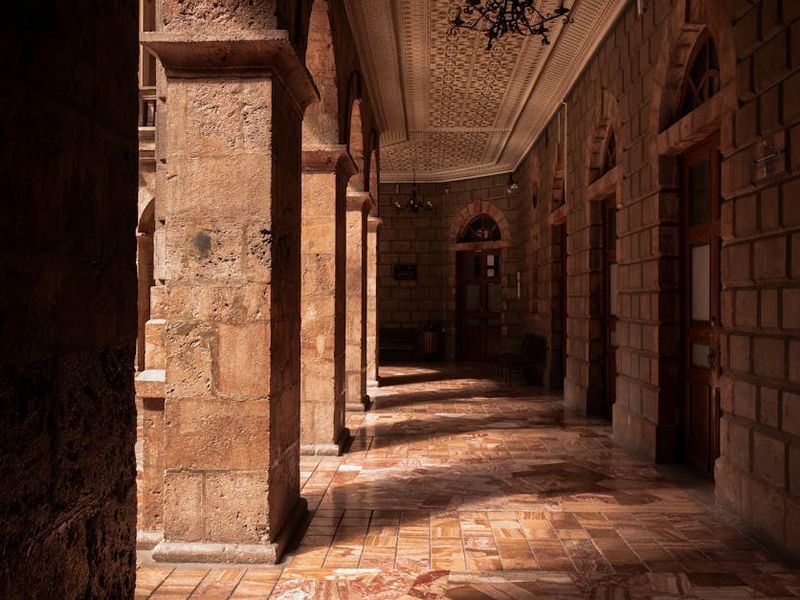
What sets Cuenca apart as the world’s best dental tourism destination is its ability to blend top-tier dental care with an extraordinary recovery environment. The city’s colonial architecture, parks, mild year-round climate, and relaxed pace make it easy to recuperate after dental surgery. Stretch your legs on quiet cobblestone streets, enjoy calming riverside views along the Tomebamba River, or take gentle walks through the UNESCO-designated historic center.
Recovery-friendly activities include:
- Relaxing in Parque Calderón with soft foods and iced water
- Low-impact outings to local museums and artisan markets
- Light cultural tours—guided walks, pottery demonstrations, and coffee tastings
- Short day trips to panoramic viewpoints like Turi for fresh air and scenic views
Many patients schedule two to three weeks in Cuenca, which is usually enough for most dental implants and crown workflows, while giving you time to enjoy the city and its restaurants that offer healing-friendly menus.
Practical Timeline: How to Plan Dental Implants and Restorative Work in Cuenca
Understanding the timeline helps you maximize both clinical outcomes and your vacation time. Typical steps for implants and restorations look like this:
- Pre-trip: Send dental records and X-rays to your chosen clinic. Many clinics will request initial photos and a pano or CBCT for planning.
- Arrival and consultation (day 1–2): In-person exam, treatment plan, and scheduling. Some clinics can extract teeth and place implants in the same visit.
- Surgical phase (day 2–5): Implant placement with local anesthesia or conscious sedation. Immediate temporary teeth may be possible depending on bone quality and the system used.
- Healing period (8–16 weeks typical): Osseointegration time varies by case; many clients use this window for local recovery and exploring Cuenca.
- Restorative phase: Secondary appointments for impressions, CAD/CAM crown fabrication, or final veneer placement—often completed in 1–3 visits.
- Follow-up and aftercare: Final checks before your return home; many clinics offer digital follow-up and coordination with your home dentist.
Some clinics offer immediate-load options like All-on-4, which can shorten the timeline and reduce trips. Discuss options and realistic expectations during the consultation.
Where to Stay and How to Recover Comfortably in Cuenca
Choose lodging within easy walking distance to your clinic and the historic center for convenience. Neighborhoods near Parque Calderón provide both charm and access to dining and pharmacies. Look for accommodations with comfortable beds, quiet rooms, and kitchenettes if you prefer preparing soft foods.
Recovery tips for your stay in Cuenca:
- Plan for soft-food meals — many restaurants serve soups, purees, and cooked vegetables suited to early recovery.
- Stay hydrated and avoid alcohol in the immediate post-op period.
- Bring a small travel cooler for cold packs; pharmacies also sell gel packs.
- Remember altitude: Cuenca sits at about 2,560 meters (8,400 ft), so allow a day or two to acclimatize before major surgery if you’re coming from sea level.
How to Choose the Right Clinic in Cuenca
Choosing a clinic is the most important step when planning dental tourism. Use this checklist when evaluating Cuenca providers:
- Credentials and training: Ask where the dentists trained and whether they have international certifications or specialty training in implants and prosthodontics.
- Technology: Confirm availability of digital 3D imaging (CBCT), in-house labs, CAD/CAM, and modern sterilization practices.
- Bilingual staff: Communication is essential—look for English-speaking coordinators or dentists.
- Before-and-after photos and verifiable patient testimonials.
- Warranty and maintenance policies: Ask about guarantees, what follow-up is included, and how complications are handled.
- Material transparency: Check which implant brands and prosthetic materials they use (many clinics use internationally recognized implant systems and high-quality zirconia or porcelain).
Request a thorough written treatment plan and a breakdown of costs before booking travel. Reputable clinics will be happy to provide references and virtual consultations.
Travel Logistics: Flights, Visas, and Health Preparations
Most travelers fly into Quito or Guayaquil and take a short domestic flight to Cuenca or a scenic intercity bus. Cuenca’s flight connections are convenient and domestic flight times are short. U.S. and Canadian citizens generally get a 90-day tourist visa upon arrival—verify current rules before travel.
Health and travel tips:
- Bring copies of recent dental records and X-rays to speed up the planning process.
- Purchase travel health insurance that covers dental complications or emergency evacuations if desired.
- Pack any prescription medications and pain relievers recommended by your home dentist; Ecuadorian pharmacies are well-stocked but may carry different brands.
- Plan for altitude acclimatization—avoid strenuous hiking for the first 48 hours after arrival and consider delaying major surgery until you’ve adjusted.
Real Value: Cost Scenarios That Make Cuenca Stand Out
To illustrate the value visually, imagine two scenarios for a patient needing two implants and crowns:
- United States: Surgery and restoration per tooth might cost $4,500 (implant, abutment, crown) — total around $9,000.
- Cuenca: Equivalent treatment could be $1,200 per tooth — total around $2,400. Add flights and a week’s lodging and you still save thousands, often more than 60–70%.
These are sample numbers and every case varies, but they demonstrate why Cuenca is consistently ranked by patients as the best place in the world for dental tourism: you get comparable clinical quality for a fraction of the price, plus the bonus of a beautiful recovery setting.
Safety, Regulation, and Patient Satisfaction
Ecuador’s dental profession is regulated, and many clinics comply with international sterilization and safety standards. Cuenca’s clinics often cater to expats and foreign visitors who expect high standards of care; as a result, many clinics invest heavily in training and technology to maintain those expectations.
Patient satisfaction is typically high among those who plan carefully—select accredited clinics, verify credentials, and follow aftercare instructions. Many patients report an easier experience and better overall value in Cuenca than they found domestically.
Final Thoughts: Why Choose Cuenca for Dental Implants, Crowns, and Veneers
If you are considering major dental work, Cuenca, Ecuador is a compelling package: dramatic cost savings (commonly 60–70%), world-class dentists trained in top programs, modern clinics with cutting-edge equipment, and a uniquely pleasant recovery environment. The city’s short wait times, personalized one-on-one care, and ability to combine treatment with a memorable vacation all contribute to why many people now call Cuenca the best place in the world for dental tourism.
Careful planning is essential—obtain forward-looking treatment plans, compare clinics, verify credentials, and schedule enough time for healing and follow-ups. When done right, dental tourism in Cuenca can be a transformative, cost-effective way to restore your smile while enjoying one of South America’s most beautiful colonial cities.
Talk to clinics early, request detailed quotes, and plan your trip so treatment and recovery are stress-free. With the right preparation, you’ll return home with a great smile, significant savings, and memories of a restful recovery in one of the world’s most inviting dental tourism destinations.