
Table of Contents
Introduction: The rise of dental tourism—and why Cuenca leads
Dental tourism has exploded in the last decade as patients from the United States, Canada and Europe look for high-quality dental care at dramatically lower prices. While Mexico and Thailand have been popular destinations, Cuenca, Ecuador is quietly becoming a favorite—and for many excellent reasons. From savings of 60–70% on implants, crowns and veneers to one-on-one care from university-trained dentists, modern clinics and a peaceful colonial city that helps you heal, Cuenca combines outstanding clinical value with an unbeatable recovery environment.
Cost savings that change lives: understanding the numbers
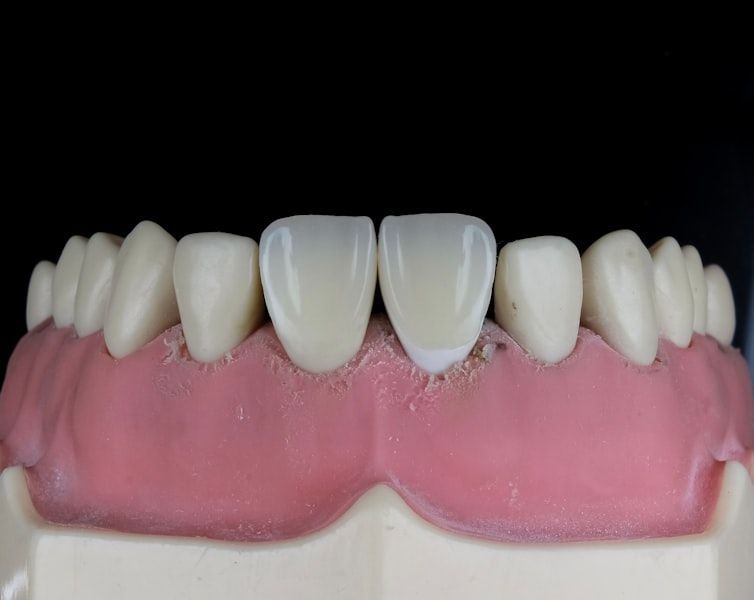
Price is the most compelling reason people travel for dental work. In the U.S. a single dental implant with crown can range from $3,000 to $6,000 or more. In Cuenca, comparable treatment often costs between $900 and $1,800 per implant and crown — roughly 60–70% less. Likewise, a crown that might cost $1,000–$1,500 in North America typically runs $200–$400 in Cuenca, and veneers that can reach $1,000–$2,000 per tooth back home usually cost $250–$500 in Ecuador.
Those savings mean you can afford more comprehensive restorations. Rather than delaying treatment because of cost, many patients leave Cuenca with fully restored smiles — high-quality implants, all-ceramic crowns and multiple veneers — for a fraction of the domestic price.
World-class dentists trained at top universities
One myth about low-cost dentistry abroad is that cheaper means lower quality. That’s not true in Cuenca. Many dentists trained at respected Ecuadorian universities and completed advanced postgraduate programs in implantology, prosthodontics and esthetic dentistry. Several dentists also pursue continuing education in Europe and North America, and maintain memberships in international organizations.
Cuenca clinics emphasize clinician qualifications and transparency: many publish doctor CVs, photos of training certificates, and before-and-after galleries. When you compare credentials, you’ll find that Cuenca’s dentists routinely use the same implant brands and restorative materials you would expect in a high-end North American or European practice.
Modern clinics and cutting-edge technology
Another advantage that sets Cuenca apart is the standard of clinic equipment. Leading practices use digital tools—CBCT 3D imaging for precise implant planning, intraoral scanners for comfortable digital impressions, CAD/CAM milling machines for same-day crowns, and 3D printers for surgical guides and temporaries. Sterilization follows strict protocols, and many clinics have implant-centered workflows that reduce errors and improve outcomes.
Because of this modern infrastructure, some clinics can offer immediate-load implants, guided surgery and same-day temporaries—options that shorten healing times and time away from home.
Short wait times and flexible scheduling
One of the frustrations with dental travel to high-volume destinations is long waits for appointments or multi-month scheduling. Cuenca clinics typically offer much shorter wait times. Many patients can schedule a consultation and surgery within a few weeks, and clinics often accommodate accelerated schedules when patients combine treatments with a vacation timeline.
For multi-stage treatments (for example, placing implants and returning for final crowns), clinics in Cuenca are experienced in coordinating efficient timelines and providing clear written treatment plans so you can plan flights and accommodations confidently.
Personalized, one-on-one patient care
Unlike large chain clinics that handle high patient volumes, many Cuenca practices emphasize personalized care. You’ll often meet directly with the dentist for consultations, surgical planning and follow-up — not a different clinician or a dental assistant. That single-provider approach means your dentist knows your case intimately and can respond quickly if issues arise.
English is commonly spoken in dental clinics, and staff frequently provide bilingual support including translators, pre-op instructions and personalized recovery guidance. Many clinics also offer concierge-style services: hotel recommendations, ground transportation, and help purchasing over-the-counter medicines.
The healing advantage: Cuenca’s climate, pace and scenery
One underestimated benefit of choosing Cuenca is the recovery environment. At 2,560 meters (8,400 feet) in the southern Andean highlands, Cuenca has a mild, spring-like climate year-round—cool mornings, pleasant afternoons and lower humidity than coastal cities. The clean air, accessible parks and slow pace encourage rest, which supports post-surgical healing.
The city’s colonial center—Parque Calderón, cobblestone streets, and rooftop views—provides low-stress spaces for light walks and gentle sightseeing. Nearby day-trips to the countryside, such as the Cajas National Park for short hikes or the thermal baths of nearby towns, offer restorative experiences without strenuous travel. A calm, beautiful recovery setting contributes to better rest, lower stress hormones, and an overall more positive recovery.
Combine dental work with a real vacation
Dental vacations in Cuenca are more than dentist visits. Patients report enjoying museums, artisan markets, coffee shops and fine dining between appointments. Culinary options range from fresh Andean produce and local markets to international restaurants. For companions traveling with patients, Cuenca offers cultural tours, workshops (panama hat weaving), and day trips to Ingapirca—the largest Incan ruins in Ecuador—making the trip enriching for everyone.
Because treatments are affordable, many patients expand their trip schedules to include non-dental activities, turning necessary healthcare into a restorative holiday.
Safety, standards and brands you can trust
Top clinics in Cuenca use internationally recognized implant systems such as Straumann, Nobel Biocare and Zimmer, as well as high-grade all-ceramic materials like zirconia and lithium disilicate for restorations. These materials match the durability and esthetics you’d expect in premium clinics elsewhere.
Infection control is taken seriously. Reputable practices follow international sterilization protocols and maintain clean, modern facilities. When researching clinics, look for published sterilization processes, photo documentation of operatories, and patient reviews that mention safety and comfort.
Practical timeline: how long to stay in Cuenca for implants, crowns and veneers
Treatment timelines vary by procedure:
- Single implant with delayed loading: typically 1–2 visits over 3–4 months (surgery visit, healing, final restoration). Many patients schedule a week for surgery and immediate recovery, then return home while the implant heals and come back for the final crown.
- Immediate-load implants or “teeth in a day”: some cases allow implant placement and temporary crowns/bridges in the same visit. This often requires a 7–14 day stay for initial recovery and monitoring, with a shorter return visit for final prosthetics.
- Crowns and veneers: these are often completed in 2–5 days with digital impressions and CAD/CAM milling, making them ideal for short dental vacations.
Many patients combine a longer initial stay with a short return visit for final restorations. Clinics in Cuenca are experienced coordinating these multi-visit schedules so you can minimize travel while maximizing treatment quality.
Travel logistics and practical tips for a smooth trip
Getting to Cuenca: The local airport (Mariscal La Mar, CUE) has regional flights from Quito and Guayaquil and is increasingly accessible for international travelers connecting through larger Ecuadorian hubs. If flights are limited, a comfortable 3–4 hour bus ride from Guayaquil or Quito is a scenic and affordable option. Domestic flights are short and frequent.
Where to stay: Cuenca offers a range of accommodations—from boutique hotels in the historic center (El Centro) to modern apartments and budget-friendly options. Staying in or near the historic district makes it easy to walk to clinics, restaurants and pharmacies, reducing the need for taxis during recovery.
Health and altitude notes: Cuenca’s elevation can affect some travelers. Take it easy the first 24–48 hours, stay well-hydrated and avoid strenuous activity immediately after surgery. If you have medical conditions, consult both your local provider and your Cuenca dentist before travel. Clinics usually provide pre-op medical questionnaires and will advise if additional medical clearance is needed.
Choosing the right clinic: questions to ask
To ensure excellent results, ask prospective clinics these specific questions:
- Can you provide the dentist’s education, certifications and examples of similar cases?
- Do you use CBCT imaging and guided surgery planning for implants?
- What implant systems and restorative materials do you use (brands, ceramic types)?
- What is included in the price (consultations, X-rays, temporary crowns, medications)?
- Can you provide a written treatment plan, timeline and cost estimate?
- How are complications handled, and what postoperative support do you offer?
- Are there patient testimonials and before/after photos I can review?
Transparency on these points separates reputable clinics from less reliable options. Reputable Cuenca practices will gladly provide documentation and references.
Follow-up care and maintaining your investment
After returning home, you’ll want to maintain your new restorations. Reputable Cuenca clinics will provide detailed post-op instructions, prescription medications as needed, and digital records that you can share with your local dentist. Many patients schedule routine cleanings locally and return to Cuenca only if a specific follow-up is necessary.
Make sure you receive a written record of implant make/model, date of placement and any warranties or guarantees. This documentation makes future maintenance straightforward and ensures continuity of care between your Cuenca dentist and your local provider.
Real value beyond price: why Cuenca outshines Mexico and Thailand
Cuenca competes not just on cost but on overall value. Compared to Mexico and Thailand, Cuenca offers:
- Comparable or superior clinician training with a strong emphasis on personalized, one-on-one care.
- Faster scheduling and lower patient volumes per clinic, meaning more direct dentist attention and shorter waits.
- A recovery environment that blends safety, calm and culture—ideal for healing after oral surgery.
- Transparent pricing with many clinics including diagnostics, temporary restorations and follow-up visits in their fees.
- Easy logistics for North American travelers thanks to regional flights and straightforward visas for many nationalities.
Those advantages add up. Patients often tell us that beyond the immediate cost savings, the single-provider care, quiet city setting and ease of coordination made Cuenca a far smoother and more satisfying experience than trips they previously took to other dental tourism hotspots.
Final checklist before booking
Before committing, use this quick checklist:
- Obtain digital photos and CBCT scans (if possible) and ask for a remote consultation.
- Confirm dentist credentials and request before/after photos of similar cases.
- Get a detailed written treatment plan with all costs included.
- Plan for conservative travel time—arrive a day early; plan 7–14 days for most implant procedures or 2–5 days for crowns/veneers.
- Arrange lodging close to the clinic in the historic center for easy access and a restful recovery atmosphere.
- Carry medical records, medication lists and the clinic’s emergency contact information.
Conclusion: The smart choice for implants, crowns and veneers
Cuenca, Ecuador offers a unique combination of deep savings, high clinical standards, modern technology and a restorative environment that makes it one of the best global options for dental tourism. Whether you need single implants, full-arch restorations, crowns or veneers, Cuenca’s one-on-one care, short wait times and real cost advantages let you get outstanding dental work without sacrificing quality or comfort. For patients seeking both exceptional value and an enjoyable recovery, Cuenca outshines other destinations—and turns necessary dental care into an opportunity for healing and exploration.
Ready to explore options? Start by requesting a remote consultation, reviewing clinic credentials and planning a tentative travel timeline—then experience why so many patients are choosing Cuenca as the world’s best city for dental vacations.
Adam Elliot Altholtz serves as the Administrator & Patient Coordinator of the “Smilehealth Ecuador Dental Clinic“, along with his fellow Expats’ beloved ‘Dr. No Pain‘, right here in Cuenca, Ecuador, and for purposes of discussing all your Dental needs and questions, is available virtually 24/7 on all 365 days of the year, including holidays. Adam proudly responds to ALL Expat patients from at least 7:00am to 9:00pm Ecuador time, again every single day of the year (and once more even on holidays), when you write to him by email at info@smilehealthecuador.com and also by inquiry submitted on the Dental Clinic’s fully detailed website of www.smilehealthecuador.com for you to visit any time, by day or night. Plus, you can reach Adam directly by WhatsApp at +593 98 392 9606 -or by his US phone number of 1‐(941)‐227‐0114, and the Dental Clinic’s Ecuador phone number for local Expats residing in Cuenca is 07‐410‐8745. ALWAYS, you will receive your full Dental Service in English (NEVER in Spanish), per you as an Expat either living in or desiring to visit Cuenca by your Dental Vacation, plus also to enjoy all of Ecuador’s wonders that are just waiting for you to come arouse and delight your senses.