
Table of Contents
Introduction: Dental Tourism and the Cuenca Advantage
More Canadians are booking dental vacations to Cuenca, Ecuador — and for good reason. Combining dramatic cost savings (often 60–70% less than the US and Canada) with world-class clinicians, modern clinics, and a beautiful, mild climate, Cuenca is becoming the global leader for dental implants, crowns and veneers. This article explains exactly why Cuenca stands out and provides practical tips for Canadians considering dental work abroad.
Why Cuenca Tops the List for Dental Tourism
Dental tourism is about more than saving money. For Canadians, Cuenca offers a powerful mix of benefits that make dental procedures both affordable and comfortable:
- Huge cost savings: Typical savings of 60–70% versus Canada and the U.S. without sacrificing quality.
- Highly trained dentists: Many dentists in Cuenca trained at leading Ecuadorian and international universities and often complete continuing education in the U.S., Europe or Latin America.
- Modern, tech-forward clinics: Digital X-rays, CBCT 3D imaging, intraoral scanners and implant systems from global manufacturers are commonly used.
- Short wait times: Faster scheduling means you get care on your timeline — often within weeks rather than months.
- Personalized care: Small clinics focus on one-on-one attention, bilingual staff and coordinated travel services.
- Recovery in paradise: Cuenca’s spring-like climate, walkable historic center and accessible nature make recovery comfortable and relaxing.
Concrete Cost Comparisons: Realistic Examples
One of the biggest motivators for Canadians is clearly the cost. Below are realistic ranges to give you a sense of the financial advantage in Cuenca. Prices vary by clinic, materials and complexity, but the percentages reflect typical savings reported by patients.
- Single dental implant (implant, abutment, crown): Canada/USA: roughly CAD 3,000–6,000. Cuenca: CAD 900–2,000 (about 60–70% less).
- Porcelain crown: Canada/USA: CAD 900–1,500. Cuenca: CAD 250–450.
- Veneers (per tooth): Canada/USA: CAD 900–2,500. Cuenca: CAD 250–600.
- All-on-4 or full-arch implant solutions: Canada/USA: CAD 20,000–40,000. Cuenca: CAD 6,000–14,000.
Even when factoring in flights and accommodation, many Canadian patients save thousands of dollars while receiving the same—or better—quality of care.
Clinical Quality: Training, Technology and International Standards
Cuenca’s top clinics are not “dental mills.” Many dentists hold university degrees from respected Ecuadorian institutions and pursue continuing education abroad. It’s common to find clinicians with postgraduate training in implantology, prosthodontics and aesthetic dentistry.
Modern equipment is standard in the leading clinics: CBCT scans for precise implant planning, digital impressions (intraoral scanners) for accurate crowns and veneers, and sterilization protocols that meet international expectations. Clinics often use internationally recognized implant systems (brands you’ll also see in Canada and the U.S.), which makes follow-up care and documentation straightforward for returning patients.
Short Wait Times and Fast, Coordinated Care
One of the most frustrating aspects of getting major dental work at home can be the wait. In Cuenca, appointment availability tends to be far faster. Many clinics offer:
- Same-week or next-week consultations.
- Bundled multi-day treatment plans so you can consolidate visits into a short trip.
- Clear timelines for staged procedures, like implant placement and later crown delivery.
This fast scheduling is perfect for Canadians who want efficient care without long delays.
Personalized, One-on-One Attention
Smaller clinic sizes mean highly personalized care. Dentists in Cuenca often oversee your entire case personally rather than delegating to multiple job-shop technicians. Patient care tends to include:
- Bilingual consultations and written treatment plans.
- Pre- and post-op telephone or video follow-ups with the dentist.
- Clinic concierge services for airport pickup, accommodation recommendations and local transportation.
Many Canadians say this close attention — not just cost savings — is what sold them on Cuenca.
Recover in Comfort: Cuenca’s Environment Is Ideal for Healing
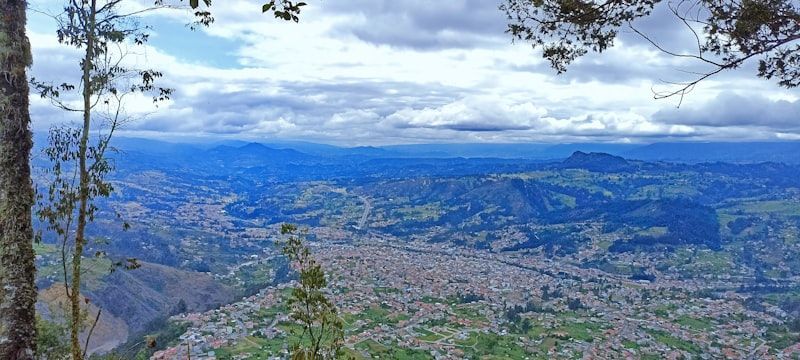
Cuenca sits at about 2,560 meters (approximately 8,400 feet) above sea level. Its climate is famously mild and spring-like year-round, which helps make recovery pleasant. The historic center (El Centro) is walkable with cobblestone streets, calming plazas like Parque Calderón, and riverside promenades along the Tomebamba — perfect for gentle, low-impact strolls during the healing period.
Nearby attractions suitable for recovery days include:
- Quiet walks along the Tomebamba riverbanks.
- Relaxing afternoons in parks like Parque Calderón or Parque San Sebastián.
- Short, restful excursions to nearby coffee farms and artisan markets.
- Day trips to Cajas National Park for those cleared for light activity.
Because Cuenca is compact and easy to navigate, you can rest in a hotel with easy access to your clinic and still enjoy the city’s cultural offerings without strenuous travel.
Planning Your Trip: A Practical Timeline for Canadian Patients
Most dental vacations to Cuenca follow one of two paths: single-trip treatments (when the clinic performs implants and temporary restorations with final crowns fitted later at home) or two-trip approaches (implant placement first, then return for final prosthetics after healing). Here is a common timeline:
- Week 0 — Consultation: Send your dental X-rays and photos to clinics for an initial plan and quote. Many clinics provide digital consultations.
- Week 1–4 — Travel to Cuenca: Schedule treatment; many clinics have openings within weeks.
- Days 1–7 — In-clinic visit: Comprehensive exam, CBCT scan, extractions if needed, implant placement. Most clinics offer gentle sedation and local anesthesia.
- Days 7–14 — Recovery: Stay local for soft-food diet and follow-up checks. Enjoy low-impact sightseeing.
- 3–6 months — Healing: Osseointegration of implants. Some clinics use immediate load techniques when appropriate to shorten this period.
- Return visit (if needed): Final abutments and crowns or veneers are placed. Some clinics coordinate with local labs to ship final prosthetics to your home if two visits aren’t practical.
Choosing the Right Clinic: Questions to Ask
Not all clinics are identical, so ask targeted questions before committing. Here’s a checklist:
- Can you share the dentist’s qualifications, continuing education and affiliations?
- Do you use CBCT 3D imaging and digital impression technology?
- Which implant brands and materials do you use?
- Can you provide before-and-after photos of previous cases and references from international patients?
- What are the exact cost breakdowns and what is included (implants, abutments, crowns, sedation, follow-ups)?
- What is your emergency plan should complications arise after I return to Canada?
- Do you provide written receipts and full documentation suitable for insurance reimbursement?
Safety, Sterilization and Accreditation
Top Cuenca clinics adhere to strict sterilization protocols and often mirror international infection-control standards. Ask for specifics:
- Autoclave sterilization procedures and biological monitoring frequency.
- Single-use items versus reusable instruments.
- Clinic accreditation, if any, and affiliations with professional dental organizations.
Reliable clinics will be transparent and happy to show their facilities and equipment during your first visit.
Practical Travel Tips for Canadian Visitors
Here are practical considerations to make your dental vacation to Cuenca smooth and safe:
- Flights: Cuenca has an airport (Mariscal La Mar, code CUE) with domestic and limited international service. Many travelers fly into Quito (UIO) or Guayaquil (GYE) and take a short domestic flight or a comfortable bus/van transfer to Cuenca. Coordinate with your clinic for airport transport if needed.
- Visa: Canadians generally receive a 90-day tourist visa on arrival to Ecuador, but always confirm current entry rules before travel.
- Altitude: Cuenca’s altitude is about 2,560 m. Most people adjust quickly, but stay hydrated, avoid heavy exercise the first 24–48 hours, and follow your dentist’s post-op activity guidelines.
- Payments and receipts: Bring a credit card (Visa/Mastercard accepted widely). Ask for detailed invoices and receipts suitable for insurance claims.
- Insurance and reimbursements: Some Canadian private plans reimburse part of foreign dental care. Confirm with your insurer and keep all documentation.
Patient Experiences: What Canadian Patients Report
While respecting privacy, composite stories from Canadian patients reflect common themes:
- “I saved over CAD 6,000 on an all-on-4 procedure and the dentist personally oversaw every step. The clinic’s follow-ups via video made me feel secure when I returned home.”
- “My single implant cost one-third of the quote I got in Toronto. The clinic arranged my hotel and a driver for a small fee — it was easier than I expected.”
- “I was nervous about aftercare, but Cuenca’s mild weather and walkable center made recovery peaceful. I took gentle walks along the Tomebamba and felt better every day.”
These collective anecdotes highlight the consistent benefits: affordability, attentive service and a recovery-friendly environment.
Common Concerns and How Clinics Address Them
Many patients worry about language barriers, follow-up care and continuity with their home dentist. Leading Cuenca clinics address these concerns by offering bilingual staff, written treatment plans and full documentation (including digital imaging and implant brand information). If follow-up is needed once you return to Canada, clinics often collaborate with your home dentist or provide a network of providers for continuity of care.
Final Considerations: Is Cuenca Right for Your Dental Vacation?
For Canadians seeking implants, crowns or veneers, Cuenca offers unmatched value: substantial cost savings, high-quality care from well-trained dentists, up-to-date technology, and a restorative city environment ideal for healing. With short wait times and personalized one-on-one attention, Cuenca isn’t just an economical alternative — it’s a superior option for many patients.
Before booking, research clinics thoroughly, request detailed treatment plans and quotes, and plan your travel with attention to altitude and recovery needs. When done correctly, a dental vacation to Cuenca can transform not only your smile — but also your entire approach to dental care.
Next Steps for Interested Canadians
If you’re considering dental implants, crowns or veneers, start by contacting two or three reputable clinics in Cuenca. Send current X-rays and photos, ask for a clear written estimate and timeline, and inquire about patient references. Factor in flights, accommodation, and a few extra days for recovery, and you’ll likely find that Cuenca delivers exceptional dental treatment, excellent personal care, and financial savings that make the trip well worth it.
Cuenca has quickly become a trusted global hub for dental tourism — an elegant colonial city that delivers modern dentistry with a human touch and a fraction of the cost. For many Canadians, that combination is irresistible.