
Table of Contents
Why Cuenca is the top pick for dental veneers and dental tourism
If you’re considering veneers, crowns, or implants, Cuenca, Ecuador deserves to be at the top of your list. This Andean city has quietly become a global hub for dental tourism because it blends dramatically lower prices with highly trained dentists, modern clinics, quick turnaround times, and an unbeatable recovery environment. In short: you can get top-tier dental work and turn your treatment into a restorative vacation.
Massive savings without sacrificing quality
The headline reason people come to Cuenca is cost. Compared to the U.S. and Canada, dental veneer procedures — and other restorations — often cost 60–70% less. To put that into perspective:
- Veneers: Typical U.S./Canada prices range from $900 to $2,500 per tooth; in Cuenca many clinics quote roughly $250–$650 per veneer depending on material and lab work.
- Crowns: In North America, $800–$1,500+ per crown is common; in Cuenca you’ll often find crowns for $150–$400.
- Dental implants: U.S. prices commonly exceed $3,000–6,000 per implant; in Cuenca implants often run $800–$1,800.
These are typical price ranges and vary by clinic, materials, and complexity, but the bottom line is clear: Cuenca delivers tremendous value. That financial advantage often covers airfare, a comfortable hotel, and a short local vacation while you recover.
World-class dentists educated locally and abroad
Cuenca’s dental professionals are trained at respected universities in Ecuador — such as Universidad de Cuenca and Universidad del Azuay — and many continue advanced training through fellowships, international courses, or residencies abroad. Clinics frequently employ staff who have trained in the U.S., Spain, or other Latin American countries, and many dentists pursue ongoing education in cosmetic dentistry, implantology, and digital workflows.
Patients report one-on-one care, thorough consultations, and treatment planning that mirrors international standards. Ask clinics for diplomas, memberships in professional associations, and before/after portfolios to verify expertise.
Modern clinics and cutting-edge technology
Don’t picture a makeshift office — Cuenca’s best clinics look and feel modern. Many use:
- Digital X-rays and 3D cone-beam CT scans for precise implant planning
- CAD/CAM milling and same-day crowns or provisional veneers
- High-quality international dental labs, including local labs with ISO standards
- Strict sterilization protocols and up-to-date sterilization equipment
Technology reduces guesswork, speeds up treatment, and increases predictability — meaning fewer return visits and better long-term results.
The recovery environment: why Cuenca helps you heal
Recovery is a major part of dental treatment, especially for implants and multi-tooth work. Cuenca’s mild, spring-like climate, clean mountain air at roughly 2,500 meters (8,200 ft) above sea level, and tranquil historic center create an ideal setting for recuperation. Imagine waking up in a comfortable hotel near Parque Calderón with a quiet morning walk before a follow-up appointment.
The city’s relaxed pace, plentiful parks, and low-stress atmosphere help reduce inflammation and support healing. Many patients report feeling more comfortable recovering here than in their hometowns, where daily demands and work obligations can slow healing.
Combine dentistry with a mini-vacation
One of the most attractive benefits of dental tourism in Cuenca is the ability to combine necessary procedures with genuine leisure. While you’re here:
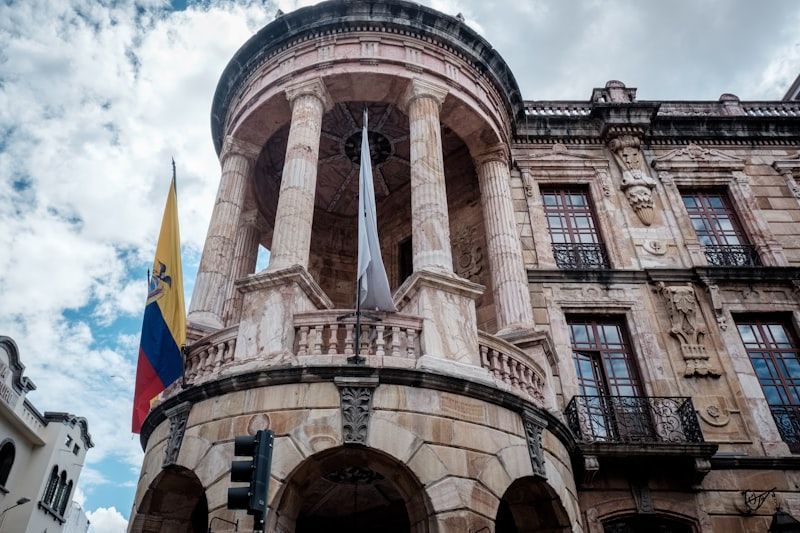
- Explore the UNESCO-listed Historic Center with its ornate colonial architecture and artisan markets.
- Take easy day trips to Cajas National Park for scenic lakes and gentle hikes.
- Visit the Turi viewpoint for panoramic photos of the city and Andes peaks.
- Enjoy local cuisine — fresh trout, market produce, and excellent coffee — that supports a light, healthy recovery diet.
Many clinics offer dental tourism packages that include hotel bookings, airport transfers, and guided tours so you can enjoy Cuenca without extra planning stress.
Short wait times and efficient treatment schedules
Compared to long wait lists in some countries, Cuenca offers quick scheduling. Many clinics can arrange an initial consult (often virtual) within days, and in-person appointments within a week of arrival. For veneers and crowns, you can often complete treatment during a single trip lasting one to two weeks thanks to digital workflows and in-house labs. For implants, clinics coordinate staged schedules or use immediate-load systems when clinically appropriate, minimizing the number of return trips.
Ask clinics about realistic timelines for your specific case. If bone grafts, sinus lifts, or multiple implants are needed, plan for slightly longer treatment windows or staged visits.
Personalized, one-on-one patient care
One of the most commonly praised aspects of Cuenca clinics is the personalized attention. Smaller practices and a strong patient-care culture mean your dentist is likely to spend ample time reviewing options, showing you before-and-after cases, answering questions, and adjusting your results until you’re satisfied. Many clinics coordinate local follow-up care and offer warranties on restorations — ask for details and get agreements in writing.
Language can be a consideration, but many clinics offer English-speaking staff or translators, and the local expat community means plenty of English assistance outside the clinic, too.
What to expect for veneers, crowns, and implants in Cuenca
Here’s a quick overview of common procedures and what a typical Cuenca dental trip might involve:
- Veneers: Consultation and digital imaging, tooth preparation, temporary veneers (if needed), and placement of final veneers within 1–2 weeks in many cases. Minimal downtime and local anesthetic procedures make veneers an ideal short-stay option.
- Crowns: Same-day CAD/CAM crowns are available at many clinics, but traditional lab-made crowns might require 1–2 weeks between prep and final placement. A comfortable short-stay option for most patients.
- Implants: Options range from single implants to full-arch restorations. Many clinics offer implants with local anesthesia, sedation on request, and either staged or immediate provisional restorations. Planning includes 3D imaging and a clear timeline for osseointegration and final prosthetics.
Practical tips for planning your dental vacation to Cuenca
Follow these practical steps to get great results and a stress-free trip:
- Research clinics thoroughly: Look for patient reviews, before/after portfolios, and digital consult options. Ask about materials, lab partners, and warranties.
- Get itemized quotes: Compare materials (porcelain vs. composite veneers), lab fees, follow-up care, and any additional anesthetic or sedation costs.
- Schedule a virtual consultation: Many clinics offer video consultations to assess needs and provide an initial treatment plan and price estimate.
- Plan recovery time: For veneers/crowns, plan a week to ten days. For implants, plan initial placement and anticipate follow-up visits; if bone grafts are needed plan for more time or a staged visit.
- Verify sterilization standards: Ask about infection control protocols and compliance with local regulations.
- Prepare documents: Bring dental records, a list of medications, and photos if possible. This helps with continuity of care.
- Book travel through Cuenca’s Mariscal Lamar International Airport (CUE): Flights commonly connect via Quito or Guayaquil. Arrange airport transfer with your clinic or hotel for a smooth arrival.
Where to stay and what to do while you rest
Cuenca offers accommodation options for every budget — boutique hotels near the Parque Calderón and the historic center are popular among dental tourists because they’re close to many clinics and provide a pleasant environment for recovery. Other neighborhoods like El Centro and San Sebastián combine convenience and charm.
Low-impact activities while you recover include:
- Leisurely walks along the Tomebamba River
- Gentle museum visits (Museo Pumapungo)
- Short day trips to nearby markets and artisan villages
- Restful coffee shop afternoons and market browsing
Safety, follow-up care, and long-term maintenance
Make sure your treatment plan includes clear follow-up instructions and contact points for complications. Many Cuenca clinics provide post-operative phone support and schedule follow-up appointments before you leave. Ask about maintenance and warranty for veneers and crowns, and confirm how the clinic handles adjustments or repairs after you return home.
It’s also wise to coordinate with your home dentist for long-term care; most dentists welcome communication between clinics to ensure continuity of care.
Common questions from dental tourists
Q: Are dentists in Cuenca trustworthy? A: Many are highly trained and experienced. Look for credentials, professional memberships, and patient testimonials. Ask for before/after photos and references.
Q: Is language an issue? A: Spanish is the primary language, but many clinics work with English speakers or translators, and the expat community makes English services easy to find.
Q: How long should I stay? A: For veneers or crowns, plan 7–14 days. For implants, timing depends on the plan — ask the clinic whether they can complete the work in one visit or if follow-ups are required.
Final thoughts: incredible value, beautiful surroundings, and expert care
Choosing Cuenca for veneers, crowns, or implants allows you to combine excellent dental care with a restorative, culturally rich travel experience. You get world-class-trained dentists, modern clinics with up-to-date technology, substantial cost savings, short wait times, and a calm recovery environment that supports healing. For many patients the equation is simple: better access to quality dentistry plus a scenic Andean city equals tremendous value.
If you’re ready to explore dental tourism options, start by researching reputable Cuenca clinics, request virtual consultations, and plan a recovery-window that allows you to enjoy the city’s beauty while your new smile settles in. With thoughtful planning, Cuenca can turn essential dental work into one of the best investments you ever make — for your health, your smile, and your peace of mind.
Adam Elliot Altholtz serves as the Administrator & Patient Coordinator of the “Smilehealth Ecuador Dental Clinic“, along with his fellow Expats’ beloved ‘Dr. No Pain‘, right here in Cuenca, Ecuador, and for purposes of discussing all your Dental needs and questions, is available virtually 24/7 on all 365 days of the year, including holidays. Adam proudly responds to ALL Expat patients from at least 7:00am to 9:00pm Ecuador time, again every single day of the year (and once more even on holidays), when you write to him by email at info@smilehealthecuador.com and also by inquiry submitted on the Dental Clinic’s fully detailed website of www.smilehealthecuador.com for you to visit any time, by day or night. Plus, you can reach Adam directly by WhatsApp at +593 98 392 9606 -or by his US phone number of 1‐(941)‐227‐0114, and the Dental Clinic’s Ecuador phone number for local Expats residing in Cuenca is 07‐410‐8745. ALWAYS, you will receive your full Dental Service in English (NEVER in Spanish), per you as an Expat either living in or desiring to visit Cuenca by your Dental Vacation, plus also to enjoy all of Ecuador’s wonders that are just waiting for you to come arouse and delight your senses.