
Table of Contents
Introduction: Dental Vacations that Make Sense
If you’re considering dental veneers, implants or crowns, Cuenca, Ecuador should be at the top of your list. As one of Latin America’s premier dental-tourism destinations, Cuenca combines dramatic cost savings (commonly 60–70% less than the US and Canada) with highly trained dentists, modern clinics, and a charming city that’s perfect for healing and relaxation. This article explains why Cuenca is the smartest place in the world to get cosmetic dental work and offers practical tips for planning a successful dental vacation.
What Makes Cuenca Stand Out for Dental Tourism?
Several features set Cuenca apart from other dental destinations: world-class education, fast service, modern technology, personalized care, and a recovery environment that doubles as a vacation. Many dentists in Cuenca have degrees from top Ecuadorian and international universities and continue training through courses in the U.S., Europe and Brazil. Clinics here use advanced digital tools—CBCT scans, CAD/CAM milling, 3D printing and high-quality zirconia mills—so you receive consistent, contemporary care.
Cost Savings You Can Count On
One of the most compelling reasons to choose Cuenca is the cost. Patients typically report paying 60–70% less than comparable procedures in the U.S. and Canada. For a simple comparison: porcelain veneers that can cost $900–$2,500 per tooth in North America often fall into a much more affordable range in Cuenca. Full-arch implants, crowns, and complex rehabilitations similarly show large savings—without compromising materials or aesthetics. Those savings mean you can afford higher-grade materials, more meticulous work, or even combine multiple procedures during the same trip.
World-Class Dentists and Highly Trained Teams
Cuenca’s dental community includes specialists trained at universities in Ecuador and abroad and many who pursue continuing education internationally. It’s common to find clinics staffed by prosthodontists, implantologists, and cosmetic dentists who collaborate with in-house technicians. These multidisciplinary teams allow for precise planning and predictable results—digital smile design consultations, mockups, and color-matching are standard in many clinics.
Accreditation, Standards and Patient Safety
Clinics catering to international patients emphasize high standards: sterilization protocols, updated materials, and regulated practice. Many dental centers maintain international-style patient coordinators, multilingual staff, and transparent quote practices. While no medical system is identical to your home country’s, Cuenca’s clinics that focus on dental tourism strive to meet or exceed the expectations of foreign patients by operating with modern standards of care.
Modern Clinics with Cutting-Edge Technology
What used to be an assumption—“cheaper means lower tech”—is no longer true in Cuenca. Dental centers now routinely use digital workflows: intraoral scanners to avoid messy impressions, CBCT imaging for accurate implant placement, and in-house milling centers for same-day crowns and temporary restorations. This digital efficiency shortens treatment time and improves precision, meaning fewer visits and better-fitting veneers and crowns.
Same-Day Solutions and Short Wait Times
Unlike many places where you may wait weeks for lab work, Cuenca’s in-house labs and streamlined scheduling allow for much quicker turnarounds. Many patients receive temporary restorations, try-in appointments and final crowns or veneers within a single 7–10 day stay, depending on the complexity. This speed makes Cuenca ideal for travelers who want to combine dental care with a short vacation without long delays.
Personalized, One-on-One Patient Care
One of Cuenca’s biggest intangible advantages is the level of personalized care. Clinics here often emphasize direct dentist-to-patient time. Rather than feeling handed off to technicians or assistants, you’ll typically meet directly with the dentist who plans and performs the work. Treatment plans are tailored to your facial aesthetics, bite, and lifestyle—so the outcome looks natural and fits your goals.
Language and Patient Coordination
Many clinics serve international patients and provide English-speaking coordinators who manage logistics: transfers, appointments, and follow-up care. This coordination reduces stress and prevents miscommunication. Even if you speak limited Spanish, you’ll find staff accustomed to explaining procedures clearly and offering written treatment plans, cost breakdowns, and before-and-after photos.
Cuenca: A Beautiful Place to Heal
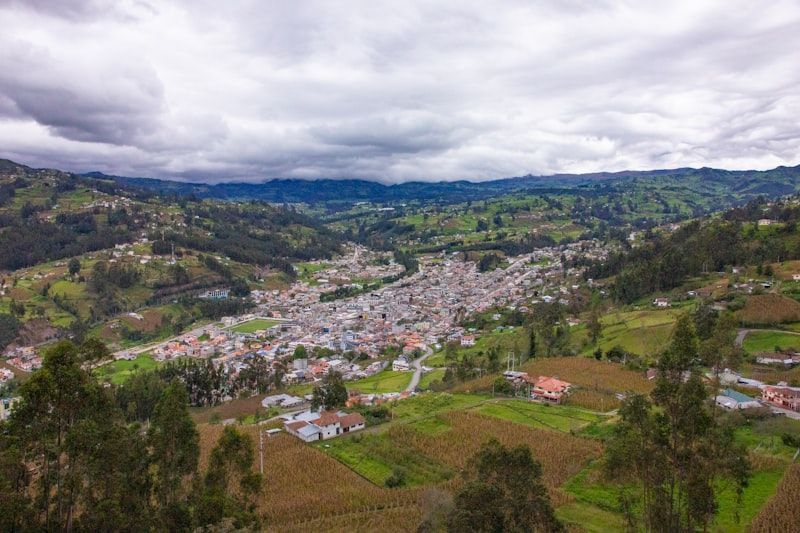
Recovery matters. Cuenca’s mild, spring-like climate, high elevation (about 2,500 meters / 8,200 feet), and calm atmosphere make it a gentle place to rest after dental procedures. The compact historic center with tree-lined river walks, quiet plazas, and excellent healthcare infrastructure provides the ideal balance of activity and relaxation. Instead of recuperating in a noisy hotel or crowded city, many patients find Cuenca’s slower pace promotes faster, more comfortable recovery.
Activities That Pair Well with Recovery
While you’re healing, Cuenca offers low-impact activities perfect for postoperative days: leisurely walks along the Tomebamba River, visits to the historic UNESCO World Heritage center, light hikes in nearby landscapes, or relaxing afternoons at cafés sampling local cuisine. For those with more time, day trips to El Cajas National Park for gentle nature immersion or to nearby hot springs are popular. These activities let you enjoy your dental vacation without straining your recovery.
How to Plan a Dental Vacation in Cuenca: Practical Tips
Planning ahead makes a dental vacation smooth and stress-free. Here are concrete steps and tips to help you organize an efficient trip to Cuenca for veneers, crowns or implants.
- Research clinics and request digital consultations: Many clinics offer initial virtual consultations. Send intraoral photos, x-rays, and describe your goals to get a preliminary plan and estimate.
- Verify credentials and see before-and-after galleries: Look for specialist training, continuing education, and patient testimonials. Ask to see full-case galleries for veneers, crowns, or implants similar to what you need.
- Ask about materials and lab partners: Confirm the type of veneers (porcelain, pressed ceramic, zirconia), crown materials, and implant brands. Quality materials make a big long-term difference.
- Plan your timeline: Typical veneer cases often need 1–2 trips or a single 7–14 day stay, depending on prep, lab time, and whether implants are involved. Complex implant cases may need longer or staged visits.
- Book a clinic with a patient coordinator: A coordinator helps arrange transfers, accommodations, follow-up, and speaks your language—save time and reduce anxiety.
- Consider travel and visa logistics: Most nationalities receive tourist stays of 90 days, but check current visa rules. Fly to Cuenca via Quito or Guayaquil with a domestic connection or direct flights where available.
- Arrange post-op care and emergency contact: Ensure the clinic provides written aftercare instructions and a local contact number for any concerns after you return home.
Realistic Cost Examples and Value
To illustrate value: a single porcelain veneer in North America can cost between $900 and $2,500; in Cuenca, equivalents often range far lower—commonly 60–70% savings depending on materials and lab quality. Dental implants including the crown, which may cost $3,000–$6,000 in the U.S., often fall into a range that represents significant savings in Cuenca. Crowns, bridges and full-mouth rehabilitations follow similar patterns. These savings allow many patients to opt for superior materials (e.g., monolithic zirconia or layered porcelain) or to address more extensive needs they might have postponed for cost reasons at home.
Safety, Aftercare and Follow-up
Reputable clinics provide clear aftercare instructions, emergency contact information, and often coordinate follow-up care once you return home. Many will send final documentation—radiographs, treatment notes, and lab certificates—to your primary dentist. If adjustments are needed later, most clinics remain available for guidance, and some offer local referrals for minor follow-ups if you choose to stay in-country for a longer recovery.
Coordination With Your Home Dentist
To maximize safety and outcomes, involve your home dentist in pre-travel planning. Share the treatment plan and any health history. Your dentist can offer useful feedback and will have your baseline x-rays for comparison. This partnership also ensures continuity of care in the long term.
Choosing the Right Neighborhood and Accommodation
Cuenca’s compact layout makes it easy to find lodging near clinics and the historic core. Many patients choose hotels or short-term rentals in the Historic Center (El Centro), near Avenida Loja, or closer to the Tomebamba River for scenic afternoon walks. Look for accommodations with comfortable beds, good lighting, and quiet spaces for daytime rest. Some clinics even recommend partner hotels or offer package deals including transfers and accommodations.
Final Thoughts: Unmatched Value Meets a Charming Recovery City
Cuenca’s combination of major cost savings, highly trained dentists, modern technology and a beautiful recovery environment makes it a powerful option for anyone seeking veneers, crowns, implants or a smile makeover. Patients get excellent value—often allowing for better materials, more comprehensive care, and the luxury of combining treatment with travel. Whether you want a quick visit for veneers or a staged implant plan paired with sightseeing in a UNESCO-listed city, Cuenca offers a dental vacation experience that’s hard to beat.
Next Steps
Start with a few virtual consultations from reputable clinics, compare materials and timelines, and decide on a travel window that suits your healing needs. With proper planning, Cuenca can deliver world-class cosmetic dentistry, meaningful savings, and a restorative travel experience—all in one memorable trip.
Ready to explore your options? Gather your dental records, outline your smile goals, and reach out to clinics for an initial quote. In Cuenca you’ll likely find the best combination of cost, quality and personal care—plus a beautiful city to relax in while your new smile settles in.
Adam Elliot Altholtz serves as the Administrator & Patient Coordinator of the “Smilehealth Ecuador Dental Clinic“, along with his fellow Expats’ beloved ‘Dr. No Pain‘, right here in Cuenca, Ecuador, and for purposes of discussing all your Dental needs and questions, is available virtually 24/7 on all 365 days of the year, including holidays. Adam proudly responds to ALL Expat patients from at least 7:00am to 9:00pm Ecuador time, again every single day of the year (and once more even on holidays), when you write to him by email at info@smilehealthecuador.com and also by inquiry submitted on the Dental Clinic’s fully detailed website of www.smilehealthecuador.com for you to visit any time, by day or night. Plus, you can reach Adam directly by WhatsApp at +593 98 392 9606 -or by his US phone number of 1‐(941)‐227‐0114, and the Dental Clinic’s Ecuador phone number for local Expats residing in Cuenca is 07‐410‐8745. ALWAYS, you will receive your full Dental Service in English (NEVER in Spanish), per you as an Expat either living in or desiring to visit Cuenca by your Dental Vacation, plus also to enjoy all of Ecuador’s wonders that are just waiting for you to come arouse and delight your senses.