
Table of Contents
Introduction: Make Your Dental Work a Vacation in Cuenca
If you need dental implants, crowns, veneers or major restorative work, Cuenca, Ecuador should be at the top of your list. This colonial Andean city combines dramatically lower prices (often 60–70% less than the U.S. or Canada), internationally trained dentists, modern clinics with cutting-edge technology, and a peaceful, restorative environment ideal for recovery. In short: Cuenca turns what can be a stressful medical procedure into a memorable dental vacation.
Why Cuenca Is Ideal for Dental Tourism
It’s not just about price. Cuenca’s reputation for dental tourism rests on several pillars that together create exceptional value.
Massive Savings Without Compromising Quality
One of the main reasons people choose Cuenca is cost. Expect to pay roughly 60–70% less than typical U.S. or Canadian prices. For context, a single dental implant in the U.S./Canada often ranges from $2,500 to $6,000; in Cuenca similar-quality implants commonly cost between $800 and $2,000. Crowns and veneers show comparable savings — crowns that might be $1,000+ at home can cost $200–$400 here, and porcelain veneers frequently run $200–$450 per tooth. Those savings translate into the ability to afford comprehensive, high-quality care that might otherwise be out of reach.
Highly Trained Dentists with International Experience
Many Cuenca dentists hold degrees from top Ecuadorian universities and have completed advanced training or residencies in the United States, Europe, or Brazil. Clinics often employ specialists in prosthodontics, oral surgery, and periodontics, giving you access to expert care for complex cases. Ask a prospective clinic about the dentist’s training, continuing education, and international certifications — you’ll find many providers proud to discuss advanced coursework and peer-reviewed work.
Modern Clinics and Advanced Technology
Cuenca’s private dental clinics often feature the same modern technology you expect at home: digital X-rays, CBCT (cone beam CT scans), CAD/CAM restorations, in-house milling and 3D printing, and digital smile design. That means faster turnaround times and precise results. Clinics that offer on-site labs can produce crowns or temporary prosthetics in days rather than weeks.
A Beautiful, Low-Stress Place to Recover
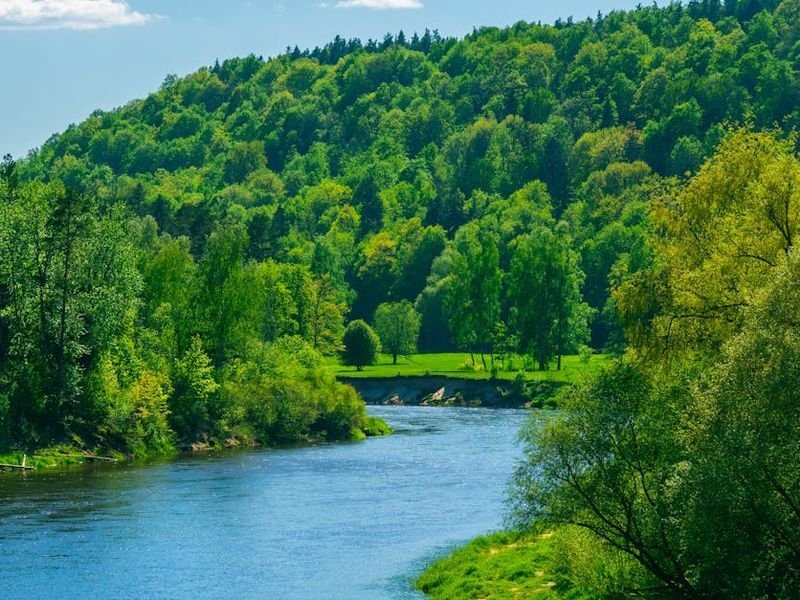
Cuenca sits at about 2,560 meters (8,400 feet) above sea level and offers a mild, spring-like climate year-round. The city’s leafy parks, UNESCO-listed historic center, and calm river walks make recovery restful. Gentle activities such as visiting museums, sipping coffee in cafes, and strolling along the Tomebamba River are excellent ways to recover without overexertion.
What Dental Procedures Are Popular in Cuenca?
Cuenca clinics excel at a wide range of treatments, especially procedures that have large cost differences compared to home prices:
- Dental implants (single implants, full-arch All-on-4/All-on-6)
- Porcelain crowns and bridges
- Porcelain veneers and smile makeovers
- Bone grafts and sinus lifts
- Root canal therapy and periodontal treatments
- Cosmetic consultations and digital smile design
Many patients travel for multiple procedures in one trip, creating a one-stop solution for major restorative work.
How to Plan Your Dental Vacation to Cuenca: Step-by-Step
Planning ahead maximizes savings and minimizes stress. Here’s a practical timeline and checklist.
1. Research and Choose a Clinic
Start with clinics that specialize in dental tourism and have clear English-language communications. Look for:
- Before-and-after galleries and patient testimonials
- Information about the dentist’s credentials and continuing education
- Details on technology (CBCT, CAD/CAM, implant brands)
- Transparent pricing and package deals (often including transfers, lodging recommendations, and pre/post care)
Ask for virtual consultations. Most reputable clinics will review photos, X-rays or CBCT scans you send and provide a preliminary treatment plan and cost estimate.
2. Send Your Records
Before booking travel, email the clinic your dental records, recent X-rays, and a few intraoral photos from different angles. The clinic can then give a realistic plan and tell you whether bone grafts or extractions are needed, which affects your stay length.
3. Book Travel and Accommodation
Fly into Mariscal Lamar International Airport (CUE) — a short drive from the city center — or connect via Quito or Guayaquil. Cuenca is also easily accessible by comfortable intercity buses if you prefer overland travel from other parts of Ecuador. Many clinics can arrange airport pickup and hotel recommendations. Choose a hotel or apartment near the Historic Center (El Centro) for easy access to clinics, restaurants, and gentle walking routes.
4. Plan Your Itinerary Based on the Procedure
Typical timeframes:
- Veneers/Crowns: 6–10 days (initial prep, lab fabrication, final fitting)
- Single Implants: 7–10 days (implant placement; if staged, final crown may require another short trip or a local partner to finish)
- All-on-4 Full-Arch: 10–14 days (surgical placement and temporary prosthesis; permanent prosthesis may follow after healing)
- Complex cases with bone grafting: 2–4 weeks or staged across two trips
Always confirm with your clinic whether they provide immediate temporary prostheses and whether additional visits will be necessary.
5. Prepare for Recovery
Allow 48–72 hours of rest immediately following oral surgery or implant placement. Because Cuenca is at high altitude, it’s wise to arrive 1–2 days early to acclimatize. Pack a soft-food and cold-compress-friendly recovery kit: pain meds (if prescribed), salt for rinses, a travel pillow, and comfortable clothing.
Choosing the Right Clinic: Questions to Ask
When you’re vetting clinics, here are essential questions that reveal the quality and transparency of a practice:
- Can you send credentials for the lead dentist and specialists? Do they speak English?
- What implant brands do you use and why?
- Do you have an on-site lab and digital milling capabilities?
- What is included in the quoted price (consultations, scans, temporary prostheses, follow-ups)?
- Can I see before-and-after cases similar to mine and patient references?
- What is your infection control standard? Are you certified by national or international dental organizations?
A transparent clinic will happily provide this information and typically offers a written treatment plan and warranty details.
What to Expect During Your Stay in Cuenca
Cuenca is a welcoming city that makes recovery gentle and rewarding. Expect short wait times compared with many North American clinics; once you’re a confirmed patient you’ll likely be scheduled promptly without long delays. Many clinics offer one-on-one care, meaning you’ll meet the same dentist and team members throughout the process — a major contrast to larger, fragmented practices at home.
Everyday Logistics: Food, Transport, and Comfort
The city’s mild climate and abundance of cafes and markets make it easy to follow a soft-food diet while enjoying fresh soups, stews, avocados, cooked fish, and soft local bread. Taxis and rideshare services are affordable and reliable. If you want more independence, short-term apartment rentals are plentiful and often come with kitchenettes for preparing gentle meals during recovery.
Recovery-Friendly Activities: How to Turn Treatment into a Vacation
Cuenca offers a variety of low-impact activities ideal for healing:
- Stroll the UNESCO-listed Historic Center to admire colonial architecture and cathedral domes
- Relax in Parque Calderón or along the Tomebamba River
- Visit botanical gardens and gentle museums — small cultural outings help pass recovery days
- Take a short day trip to El Cajas National Park for scenic views (avoid strenuous hikes right after surgery)
These easy experiences let you enjoy the city’s beauty while protecting your oral healing process.
Post-Procedure Care and Follow-Up
Before you leave Cuenca, make sure you understand your home-care instructions and have any necessary prescriptions and supply lists. Ask your clinic for:
- A written treatment summary and timeline for any future appointments
- High-resolution photos and digital files of your restorations for your records
- Contact information for emergency questions and for local follow-up if needed
Most clinics provide a period of complimentary follow-up visits; confirm how they handle complications and whether they partner with dentists in your home country for continued care.
Practical Tips and Travel Considerations
To ensure a smooth trip, keep these practical pointers in mind:
- Currency: Ecuador uses the U.S. dollar, eliminating exchange hassle and making budgeting transparent.
- Visas: Many nationalities receive a 90-day tourist entry; check your country’s rules before travel.
- Insurance: Medical and dental tourism coverage varies — purchase travel insurance that covers trip interruption and medical evacuation if desired, and ask your dental clinic about warranties.
- Acclimatization: Cuenca’s high altitude can cause mild shortness of breath in the first 24–48 hours; plan restorative procedures after you’ve had a day or two to acclimate.
- Language: Many clinics cater to North American and European patients and have English-speaking staff. Still, learning a few Spanish phrases helps with everyday interactions.
Sample Itineraries
Below are two sample schedules to give you a realistic expectation of time spent in Cuenca.
7–10 Day Veneers or Crowns Plan
- Day 1: Arrive, acclimate, meet clinic for initial exam
- Day 2: Preparation for veneers/crowns, impressions, temporary restorations placed
- Day 3–5: Rest, local sightseeing (gentle activities)
- Day 6–7: Final fitting and adjustments
- Day 8–10: Final checks, depart
10–14 Day Implant or Full-Arch Plan
- Day 1–2: Arrive, rest and acclimate
- Day 3: Implant surgery; immediate temporary prosthesis if indicated
- Day 4–7: Close follow-up, rest, enjoy gentle outdoor sights
- Day 8–11: Laboratory checks, adjustments to temporary prosthesis
- Day 12–14: Final instructions; schedule later appointment for definitive prosthesis if necessary
Common Questions From Dental Tourists
Q: Is it safe to get major dental work outside my country? A: When you choose an accredited, transparent clinic with experienced dentists and modern technology, it’s both safe and cost-effective. Reach out for references and verify credentials before committing.
Q: Will my local dentist accept work done in Cuenca? A: Many home-country dentists will work with restorations done abroad, especially when clinics provide full documentation and high-quality prosthetic components. Communicate with both clinics early if subsequent local maintenance is expected.
Q: What about language barriers? A: Most dental tourism clinics in Cuenca serve English-speaking patients. Ask about English-speaking staff and translation services during your initial contact.
Final Thoughts: The Value of Choosing Cuenca
Cuenca stands out as a premier destination for dental tourism because it blends exceptional affordability with high clinical standards and a restorative setting. When you factor in 60–70% cost savings, world-class dental training, modern dental technology, one-on-one patient care, and the ease of combining healthcare with a vacation, the overall value is compelling. Careful planning, choosing the right clinic, and allowing time to recover in Cuenca’s pleasant environment will help you return home with a beautiful smile and great memories.
If you’re considering dental implants, crowns, or veneers, Cuenca offers a practical, safe, and life-changing alternative to costly procedures at home. With careful research and a thoughtful itinerary, your dental vacation can be both an excellent investment in your health and an unforgettable travel experience.