
Table of Contents
Introduction: Dental Care Meets Vacation in Cuenca
If you’ve been postponing major dental work because of cost, wait lists, or fear of impersonal care, consider Cuenca, Ecuador. This colonial city in the southern Andes is not only a UNESCO World Heritage historic jewel — it has quietly become one of the world’s best destinations for dental tourism. From deeply discounted implants and crowns to high-quality veneers and cutting-edge technology, Cuenca bundles top-tier dental care with an ideal recovery environment and vacation experiences you’ll remember.
Why Choose Cuenca for Dental Tourism?
The central reason Americans flock to Cuenca for dental work is value. Expect 60–70% savings compared to the U.S. and Canada for the same procedures. But cost is only the beginning. Here’s why Cuenca stands out.
Massive Savings Without Compromise
In Cuenca you can get dental implants, ceramic crowns, and porcelain veneers for a fraction of North American prices. For example, a single implant that often costs $3,000–$6,000 in the U.S. can typically be done in Cuenca for $900–$1,500. Crowns that run $1,000+ in the States commonly cost $150–$350 in Cuenca. Veneers that could be $800–$2,000 each can be $200–$600 here. Those savings let you afford higher-quality materials or additional procedures, or to travel with a companion who can help during recovery.
Highly Trained Dentists and Modern Clinics
Dentists in Cuenca commonly have strong local training and many pursue postgraduate specialties and international courses in the U.S., Spain, Argentina, and Brazil. Clinics are private, professionally run, and equipped with modern technology: digital X-rays and CBCT 3D imaging, intraoral scanners, CAD/CAM milling, and sterilization systems that meet or exceed international standards. Many practices use zirconia and E-max ceramics and have on-site or nearby dental labs staffed by experienced technicians.
Short Wait Times and One-on-One Care
Unlike many places where you might wait months for appointments, clinics in Cuenca can often schedule consultations and procedures within days to a few weeks. Patients commonly report personalized, one-on-one attention — you meet with the dentist directly for planning, and follow-ups are handled with continuity by the same team. That level of individualized care is a huge benefit for travelers who need a clear, coordinated treatment plan.
What Dental Work Is Most Popular in Cuenca?
Cuenca excels at implants, crowns, and veneers — the three pillars of restorative and cosmetic dental tourism. Below is what to expect from each category and why Cuenca is particularly strong in these areas.
Dental Implants
Implants are the most sought-after service for international patients. Clinics in Cuenca use internationally recognized implant systems and offer options for standard two-stage implants, immediate load (where appropriate), and bone grafting if needed. Many practices perform full-mouth implant reconstructions at a fraction of U.S. cost. Important advantages include:
- Access to CBCT imaging for precise implant planning
- Experienced surgeons who routinely place multiple implants weekly
- Collaboration with local prosthetic labs for faster turnaround on abutments and crowns
Crowns (Porcelain and Zirconia)
Crowns in Cuenca are commonly produced using CAD/CAM technology and high-quality materials such as monolithic zirconia and layered porcelain. You’ll find options from budget-friendly to premium aesthetic restorations. Many clinics produce same-day provisional crowns and deliver final restorations within a week when labs are local.
Veneers and Smile Makeovers
Whether you want a dramatic cosmetic change or subtle corrections, Cuenca dentists offer veneers made from porcelain and composite. They combine digital smile design, photography, and mock-ups so you can preview results. Because the cost is lower, many patients choose full smile makeovers — multiple veneers plus whitening and gum contouring — for the price of a single-tooth procedure back home.
The Recovery Advantage: Cuenca as a Healing Destination
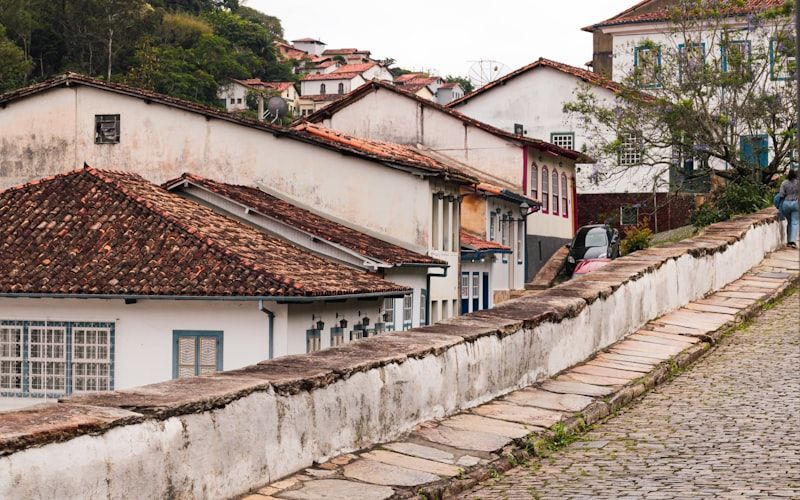
Recovery matters. Cuenca’s mild, spring-like climate (average daytime temps around 12–20°C / 54–68°F) is ideal for recuperation—no extreme heat or humidity to aggravate swelling. The city’s charming colonial streets, calm plazas, and plentiful parks create a restful atmosphere that promotes healing.
Practical Recovery Perks
- Short taxi rides from the airport to most clinics and hotels mean less stress after procedures.
- Many hotels and vacation rentals near El Centro and El Vergel are quiet, comfortable, and within walking distance to pharmacies and restaurants that cater to soft diets.
- Access to healthy local food: fresh produce, soups, and gentle Ecuadorian dishes make soft-food recovery easy and delicious.
Activities That Complement Healing
Cuenca offers low-impact activities perfect for post-op rest. Gentle walks in Parque Calderón, visiting the Museo Pumapungo, browsing artisan markets, or sipping coffee in a courtyard café are serene ways to spend recovery time. For active travelers, day trips to Cajas National Park or the Ingapirca ruins can be scheduled before major surgery or after sufficient healing.
How a Typical Dental Vacation in Cuenca Works
Dental vacations can be a single focused trip for crowns or veneers, or a series of visits for implants. Here’s a typical timeline and practical tips for planning.
Timeline for Crowns & Veneers
- Pre-trip: Virtual consultation and digital records exchange (X-rays, photos).
- Day 1: Arrival, in-person exam, imaging, and treatment plan review.
- Day 2–4: Preparations, impressions, or intraoral scanning; temporary restorations placed when needed.
- Day 5–7: Delivery of final restorations and minor adjustments. Most patients can fly home after a few days, though staying longer minimizes risk of complications.
Timeline for Implants
- Pre-trip: Detailed planning with CBCT scans and panoramic X-rays shared digitally.
- First visit (3–7 days): Implant placement, possible bone grafting, and provisional teeth if immediate load is planned.
- Healing phase: 3–4 months for osseointegration (may vary), during which some clinics coordinate local follow-up or remote monitoring.
- Second visit: Final abutments and crowns are delivered — a shorter second trip (commonly 5–7 days).
Choosing the Right Clinic: Practical Tips
Not all clinics are the same. Use these steps to find a trustworthy practice and ensure a smooth dental vacation.
Checklist for Selecting a Clinic
- Verify credentials: confirm dentists are licensed with Ecuador’s Colegio de Odontólogos and check postgraduate training.
- Ask about technology: do they use CBCT, intraoral scanners, CAD/CAM, and certified implant brands?
- Request before-and-after photos and patient references; ask for case studies similar to yours.
- Confirm materials and lab location: in-house or local labs typically speed turnaround and quality control.
- Request a clear written cost estimate and warranty terms — many clinics offer 1–5 year guarantees on prosthetics.
- Inquire about follow-up and emergency contact for after you return home.
Communication and Virtual Consults
Most clinics offer English-speaking staff or interpreters and provide virtual consultations before you travel. Share X-rays and dental history early so the clinic can prepare. A video call helps you assess professionalism and comfort level before committing.
Travel Logistics and Safety
Cuenca is approachable and safe for international travelers. The city’s Mariscal La Mar Airport (CUE) receives connections through Quito and Guayaquil. Many patients connect via Quito or Guayaquil, then take a short flight to Cuenca.
Local Transport and Accommodation
- Taxis and private transfers are inexpensive and reliable — many clinics offer airport pickup as part of a package.
- Accommodations range from boutique colonial hotels in El Centro to modern apartments near El Vergel, close to clinics and pharmacies.
Safety, Licensure, and Regulations
Ecuador regulates medical and dental practices; look for clinics that publish credentials and compliance information. Many dentists belong to professional associations. Ask about sterilization protocols and how they handle infection control to ensure standards similar to what you expect at home.
Avoiding Common Pitfalls
Dental tourism offers huge rewards, but plan carefully to avoid common mistakes.
Key Warnings
- Don’t make decisions based on price alone. Extremely cheap quotes without details on materials or lab work are red flags.
- Confirm any warranty in writing, including what it covers and how follow-up care is handled if complications arise after you return home.
- Be realistic about timelines for implants — long-term success depends on careful planning, not speed. Avoid clinics that pressure you into immediate full-mouth work without adequate diagnostics.
- Consider travel protection that covers medical issues and trip cancellations.
Cost Examples and Value Breakdown
Below are realistic price ranges you might encounter in Cuenca versus the U.S. Note that exact prices depend on materials, dentist experience, and case complexity.
- Single dental implant: Cuenca $900–$1,500 vs U.S. $3,000–$6,000
- Porcelain or zirconia crown: Cuenca $150–$350 vs U.S. $1,000–$1,500
- Porcelain veneer: Cuenca $200–$600 vs U.S. $800–$2,000
When you add in travel costs and accommodations, most patients still save thousands and often receive more attentive care for the price. Many clinics create packages that include airport transfer, hotel stay, and some meals, simplifying logistics and maximizing your savings.
Real Patient Experience: What You’ll Feel and Remember
Patients describe the Cuenca dental experience as professional, warm, and efficient. You’ll likely notice short waiting room times, direct conversations with the dentist, and careful post-op instructions. The city itself becomes part of the healing process: evenings in candlelit plazas, friendly cafés, artisanal markets, and gentle walks help distract from discomfort and make recovery pleasant.
Final Checklist Before You Book
- Get a virtual consultation and cost estimate; send all dental records.
- Verify materials, lab location, and warranty terms in writing.
- Plan for adequate recovery time (crowns/veneers: 5–10 days; implants: expect two trips or an extended single stay for immediate protocols).
- Arrange travel insurance and confirm aftercare communication methods.
- Book accommodations near your clinic and request airport pickup when possible.
Conclusion: Cuenca Delivers Health, Beauty, and Value
Cuenca offers an unbeatable combination for dental tourists: dramatic cost savings (60–70% compared to the U.S. and Canada), well-trained clinicians with modern equipment, short wait times, and a healing, culturally rich environment ideal for recovery. Whether you need a single implant, a full set of crowns, or a cosmetic veneer smile makeover, Cuenca makes it possible to get world-class dentistry while enjoying an unforgettable Ecuadorian getaway. With careful planning, realistic expectations, and a trustworthy clinic, your dental vacation in Cuenca could be the smartest health and travel decision you make this year.
Next Steps
If you’re considering dental tourism, start by scheduling a virtual consultation with a reputable Cuenca clinic. Share your dental records, ask about materials and warranty, and request a transparent treatment plan. From there, you can build an itinerary that balances dental care and rejuvenating time in one of South America’s most beautiful colonial cities.