
Table of Contents
Introduction: Dental Vacationing with Purpose
Choosing where to get major dental work is about more than price. For decades, global patients have balanced cost with quality, safety, and convenience. Cuenca, Ecuador now stands out as one of the best places on Earth for dental tourism — a place where dramatic savings meet world-class dental care and a beautiful recovery environment. In this guide you’ll learn why Cuenca is ideal for implants, crowns, veneers, and full-mouth restorations, plus practical steps to plan a safe, efficient dental vacation.
Why Cuenca? A Quick Overview
Cuenca offers a rare combination of benefits for dental travelers: savings of roughly 60–70% compared to US and Canadian prices, highly trained dentists, modern clinics with cutting-edge technology, short wait times, and a comfortable, restorative city to recover in. Unlike rushed medical tourism hubs, Cuenca’s dental practices emphasize one-on-one care, many with English-speaking staff and patient coordinators who make the logistics easy.
Huge Savings Without Compromise
Cost is the initial magnet for most dental travelers. Expect to save roughly 60–70% on procedures such as dental implants, crowns, and porcelain veneers compared to typical U.S. and Canadian fees. For example (approximate ranges):
- Single dental implant: $800–$1,500 in Cuenca vs $3,000–$6,000 in the U.S.
- Porcelain crown: $200–$400 in Cuenca vs $800–$2,000 in North America
- Porcelain veneer: $250–$600 in Cuenca vs $900–$2,500 in the U.S.
These are typical ranges—specific prices depend on materials, brand of implant, and complexity—but the bottom line is the same: spectacular value. For many patients, this means being able to afford comprehensive treatment (multiple implants, full-mouth restorations) that would otherwise be out of reach.
World-Class Training and Professional Standards
Cuenca’s dental community includes dentists trained at leading universities in Ecuador, Latin America, Europe, and North America, plus specialists in oral surgery, prosthodontics, and implantology. Clinics commonly invest in continuing education and certifications, and many dentists are part of international organizations. Before booking, ask potential clinics about their dentists’ education, specialty training, and affiliations. Reputable clinics will gladly provide details and patient case portfolios.
Modern Clinics and Advanced Technology
Modern dentistry in Cuenca uses the latest tools: digital X-rays, 3D CBCT scanning, CAD/CAM milling, intraoral scanners, and high-quality implant brands such as Nobel Biocare, Straumann, and other international systems. Many clinics have in-house labs and milling units, which speeds turnaround time for crowns and temp prosthetics and ensures a more precise fit. Sterilization protocols match international standards; ask to see a clinic’s infection-control policies if you want peace of mind.
Personalized Care and Short Wait Times
One of Cuenca’s strongest selling points is the patient experience. Expect longer appointments with individualized attention, thorough consultations, and clear treatment plans. Unlike busy metropolitan clinics that push patients through, Cuenca practices often offer a concierge-style approach with a single coordinator handling scheduling, hotel pickup, and follow-up arrangements. Wait times for initial consultations and procedures are typically short — many clinics can see you within days, not weeks.
A Beautiful Recovery Environment
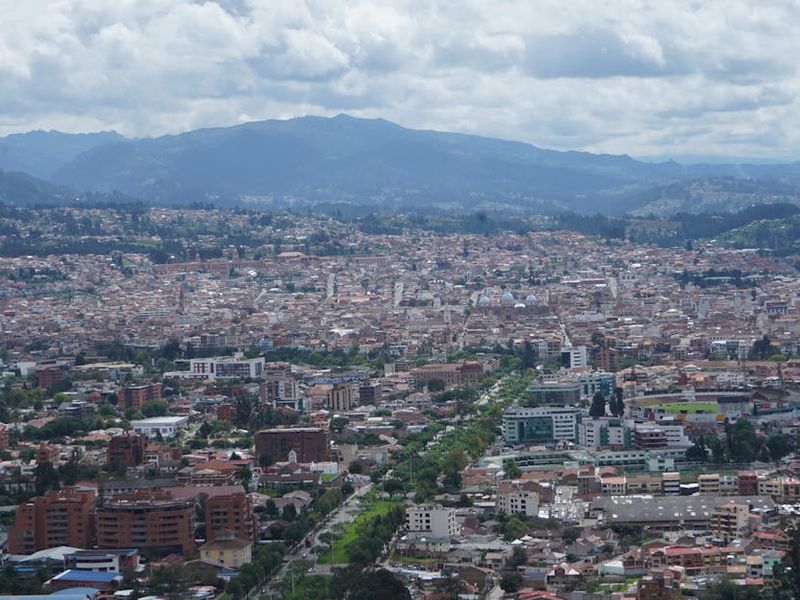
Cuenca’s mild, spring-like climate, clean air, and relaxed pace make it an ideal place to recover. The city sits at about 2,500–2,600 meters (around 8,200–8,500 feet) altitude; while some patients notice mild shortness of breath the first day or two, most find the cool temperatures and low humidity comfortable for healing. The historic center, riverside promenades, and parks offer peaceful places to rest, and a wide array of cafes and restaurants make soft-food options easy to find after oral surgery.
Combine Dental Work with a Memorable Vacation
What makes a dental vacation different from a medical trip is that you can blend care with sightseeing and relaxation. Cuenca’s UNESCO-listed old town, the Tomebamba River walkways, artisan markets in Gualaceo and Chordeleg, and day trips to Cajas National Park or the Ingapirca ruins give you restorative options between appointments. Many patients plan a gentle week for crowns or veneers and longer stays (or staged return visits) for implants, allowing time to enjoy local cuisine, museums, and thermal spas while avoiding strenuous activity during healing.
Typical Timeline for Procedures
Understanding realistic timelines helps set expectations:
- Consultation & diagnosis: 1–2 days (digital scans, X-rays, CBCT if needed).
- Crowns & veneers: often completed in 1–2 visits over 5–10 days when clinics have in-house labs or CAD/CAM milling.
- Dental implants: simple extractions and implant placement can be done in a 1–2 week trip; many clinics place the implant and a temporary crown, with final prosthesis after osseointegration (typically 3–6 months). Some advanced protocols offer immediate-load implants for suitable candidates.
- Full-mouth reconstructions: planning and staged work may require an initial diagnostic trip, then one or more treatment visits.
Discuss timelines and possible need for local follow-up with your dentist before traveling. Clinics routinely coordinate long-distance follow-up via email or WhatsApp and will often work with your home dentist for later adjustments.
How to Choose the Right Clinic in Cuenca
Pick a clinic using a checklist focused on quality and communication. Key items to verify:
- Clear fee schedule and written treatment plan.
- Qualifications and specialist credentials of the treating dentist.
- Technology available (CBCT, CAD/CAM, intraoral scanner).
- Photos and before/after cases of similar treatments.
- Brand names of implants and restorative materials used.
- Infection control policies and clinic accreditation, if available.
- Patient coordinator or translator, and how they handle logistics.
- Follow-up policies, warranties, and what to do for complications after returning home.
Reputable clinics welcome virtual consultations via video and will send itemized quotes and educational material before you commit.
Language, Communication, and Patient Support
English is widely spoken in Cuenca’s dental tourism network. Many clinics employ bilingual staff or professional translators and use WhatsApp to keep communication seamless before, during, and after treatment. Ask for a dedicated coordinator who handles appointments, transfers, and local logistics — this single point of contact reduces stress and ensures you know what to expect at every step.
Safety, Insurance, and Legal Considerations
Verify clinic policies for complications and what financial guarantees or warranties exist for prosthetics and implants. Travel insurance that covers medical complications and trip interruptions is highly recommended. While U.S. or Canadian dental insurance rarely covers treatment abroad, some clinics provide detailed receipts and codes to submit for potential partial reimbursement. Always get written estimates and informed consent documents translated into your language if needed.
Where to Stay and How to Get Around
Cuenca’s compact historic center is ideal for dental patients. Staying near Parque Calderón or along the Tomebamba River means short taxi rides to many clinics, easy access to pharmacies, and quiet streets for recuperation. Accommodation options range from boutique hotels and guesthouses to comfortable long-stay apartments and Airbnb rentals. Many clinics will recommend or bundle accommodations, airport transfers, and even sightseeing tours into a treatment package.
Local Logistics: Airport, Transport, and Altitude
Cuenca’s Mariscal La Mar International Airport (CUE) connects regionally and via Quito or Guayaquil to most international flights. Many international travelers fly into Quito or Guayaquil and take a short domestic flight or bus ride to Cuenca. Local taxis are plentiful; ride-hailing apps may be limited, so your clinic’s airport pickup service is a convenient option. Remember the altitude — take the first 24–48 hours easy, hydrate, and avoid strenuous exercise so your body can adjust before any invasive procedures.
Aftercare, Diet, and Recovery Tips
Proper aftercare speeds healing and reduces complications. Follow your dentist’s instructions closely, but here are universal tips:
- Bring or purchase a soft-food meal plan for the first week (soups, smoothies, yogurt, mashed potatoes).
- Arrange local transportation for the first few days to limit walking or carrying luggage.
- Have a supply of prescribed medications and carry a translated list of meds and allergies.
- Avoid alcohol and smoking during healing — both slow osseointegration and soft-tissue repair.
- Attend all scheduled follow-ups and keep digital photos of your healing progress for home-care coordination.
What to Pack for a Dental Vacation
- Copies of dental records, X-rays, and a list of current medications.
- Comfortable clothing and a hat (the sun can be strong despite mild temps).
- USB charger, extra phone battery, and international adapter.
- Soft-food snacks, travel-size cold packs, and any prescribed oral rinses if provided early.
- Insurance documents and your clinic’s contact info saved in multiple places.
Common Patient Questions Answered
Will I need a translator?
Many clinics have bilingual coordinators, but bringing a translation app or asking the clinic for a translator ensures clear communication for consent and post-op instructions.
Is it safe to combine travel with major dental surgery?
Yes — when planned correctly. For extensive implant cases, plan staged visits and follow your dentist’s guidance on flight timing after surgery. Short domestic or international flights immediately after major oral surgery may be discouraged; clinics will advise based on your specific procedure.
How do warranties work?
Ask each clinic about their guarantee on crowns, veneers, and implants. Many reputable clinics offer 1–5 year warranties on lab work and prosthetics, with clear terms on what is covered and the cost of out-of-warranty work.
Real Value: Why Patients Keep Coming Back
Beyond cost savings, patients return to Cuenca for the overall package: warm, personalized care; quick access to skilled specialists; modern clinics that use premium materials; and a calm, restorative city that supports healing. For hundreds of patients each year, getting implants, crowns, or veneers in Cuenca translates into life-changing dental results at a fraction of the home-country price — plus a memorable journey.
Final Checklist Before You Book
- Obtain a few written treatment plans from different clinics.
- Verify dentist credentials, implant brands, and clinic technology.
- Confirm timelines, number of visits, and follow-up arrangements.
- Plan for recovery time in Cuenca and avoid tight return schedules.
- Purchase travel insurance that covers medical complications and trip interruption.
- Prepare and bring dental records and a list of medications.
Conclusion: A Smart Dental Choice with a Vacation Bonus
Cuenca, Ecuador has matured into an outstanding dental tourism destination because it delivers exceptional value without compromising quality or comfort. Whether you need a single implant, a set of crowns, or a smile makeover with veneers, Cuenca gives you world-class dental skill, modern clinics, and significant cost savings — all in a city designed for peaceful recovery and cultural exploration. With the right planning and a trusted clinic, a dental vacation in Cuenca can give you not just a better smile, but a memorable trip and real financial value.
Ready to explore clinics and compare quotes? Start with virtual consultations and bring this guide to your initial conversations — it will help you ask the right questions and plan a safe, effective dental vacation in one of the world’s most welcoming cities.