
Table of Contents
Introduction: A New Era for Dental Tourism in Cuenca
If you’ve been postponing major dental work because of cost, wait times, or frustrating experiences at home, Cuenca, Ecuador may be the answer. Over the past decade this Andean city has quietly become a global center for dental tourism, attracting patients from the U.S., Canada, and Europe who want exceptional care without the exorbitant price tag. In Cuenca you can expect deep savings, highly trained clinicians, modern technology, one-on-one attention, and an idyllic environment for recovery—everything that makes a dental vacation not only affordable but genuinely pleasant.
Why Cuenca Stands Out: The Big Advantages
Dental tourism isn’t just about cheaper work. The most successful destinations pair affordability with quality and convenience. Cuenca delivers on all three in compelling ways:
- Cost savings of 60–70% compared to U.S. and Canadian prices for implants, crowns, and veneers.
- Dentists trained at top dental programs in Ecuador, Latin America, and abroad who use contemporary techniques.
- Clinics equipped with cutting-edge technology like digital scanning, CBCT imaging, and CAD/CAM milling.
- A peaceful, high-quality city for convalescence: parks, mild climate, and cultural attractions to enjoy while you recover.
- Shorter wait times and personalized, one-on-one patient care—in many clinics you’ll work directly with the same dentist who plans and places your restorations.
How Much Will You Save? Real-World Price Comparisons
One of the most compelling reasons patients choose Cuenca is the dramatic cost difference. Here are typical ranges to give you a practical sense of savings:
- Dental implant (including implant, abutment, and crown): United States/Canada $3,500–$6,000+; Cuenca $900–$1,500 per implant. (Savings: roughly 60–70%.)
- Porcelain crown: United States/Canada $800–$1,500; Cuenca $150–$400.
- Porcelain veneer (per tooth): United States/Canada $800–$2,500; Cuenca $200–$600.
These are ballpark figures—final prices depend on materials, number of visits, and the complexity of your case—but the trend is consistent: you get top-tier materials and excellent lab work for a fraction of the cost you’d pay at home.
Quality You Can Trust: Training, Accreditation, and Technology
Cuenca’s dental community is a mix of clinicians educated in Ecuador and abroad. Many dentists complete postgraduate residencies, implantology fellowships, and cosmetic dentistry programs both locally and in major international centers. Clinics in Cuenca have invested in modern equipment to match international standards—digital intraoral scanners, cone beam CT (CBCT), laser dentistry, and in-house CAD/CAM milling for same-day crowns.
That combination—advanced training plus modern technology—means procedures are planned carefully, executed precisely, and finished with great aesthetics and function. Many dentists offer digital treatment planning with 3D imaging and surgical guides for implant placement, which reduces complications and shortens chair time.
Popular Procedures in Cuenca: Implants, Crowns, and Veneers
Cuenca excels at the procedures most sought by dental tourists:
- Dental implants: From single implants to full-arch treatments, many clinics provide guided surgery and implant-supported prostheses using well-known implant systems.
- Crowns and onlays: High-quality ceramic crowns and zirconia restorations are common, and you’ll often be able to choose from material options to balance cost and aesthetics.
- Veneers and cosmetic makeovers: Porcelain and composite veneers are widely available, and clinics often coordinate smile design with digital mockups so you can preview results before treatment.
The combination of lower prices and high standards makes it feasible for patients to tackle multiple procedures during one trip—an appealing benefit for those eager to complete comprehensive smile work efficiently.
Turn Treatment into a Vacation: Recovery in a Beautiful City
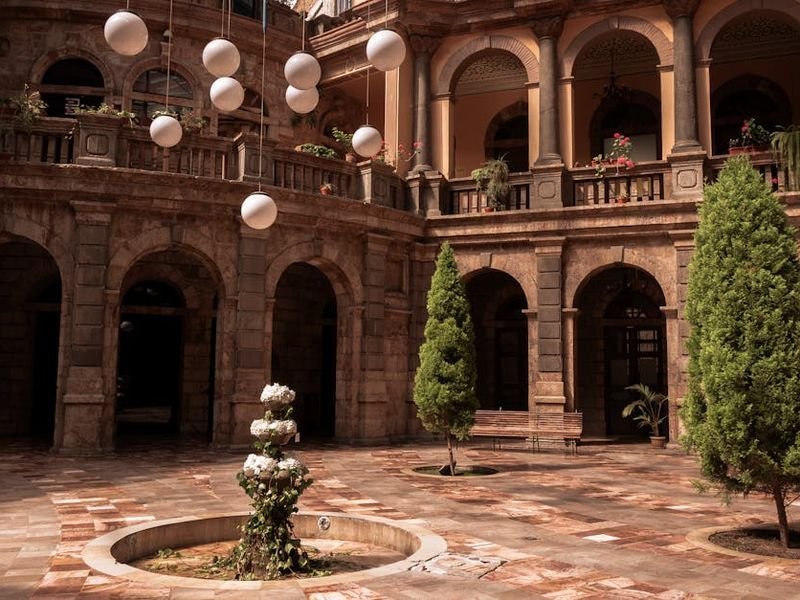
One of Cuenca’s big advantages over competing dental tourism hubs is its environment. The city’s colonial center, leafy parks, and approachable scale create a low-stress place to recuperate. After procedures like implant surgery or veneer bonding, patients can stroll gently around Parque Calderón, sip fresh coffee at a sidewalk café, or relax in quiet neighborhoods that are walkable and safe.
Cuenca’s temperate climate—often described as spring-like year-round—helps recovery. You won’t deal with sweltering heat or bitter cold, which can make post-op care easier. The city is also a gateway to scenic day trips: mountain trails, artisan markets, and thermal baths are within easy reach if your dentist recommends light activity after a day or two of rest.
Timeline: How a Typical Dental Vacation in Cuenca Unfolds
Understanding the timeline will help you plan your trip. Here’s a common scenario for implants, crowns, or veneers:
- Pre-trip consultation: Many clinics offer virtual consultations. You’ll send photos and X-rays and get a proposed treatment plan and estimate.
- First visit (1–5 days): In-person evaluation, CBCT scan, impressions, and sometimes the first surgical phase (implant placement). Many clinics can perform extractions and immediate implant placement if needed.
- Healing period (3–4 months for implants, shorter for crowns/veneers): While implants integrate, you can stay in Cuenca for follow-up checks or return home and come back for the restorative phase. For crowns and veneers, final restorations may be delivered in 1–2 visits spaced a week apart.
- Final visit: Placement of permanent crowns, veneers, or implant prostheses and adjustment to ensure comfort and bite accuracy.
One large advantage: many procedures that require months of planning at home can be consolidated into fewer office visits in Cuenca thanks to on-site labs and efficient scheduling.
Short Wait Times and Personalized Care
Unlike busy practices at home where you might wait weeks or months for consultations and slots, clinics in Cuenca generally offer shorter wait times. Many dental tourists book well in advance and receive prioritized scheduling. The smaller practice sizes also mean you’re likely to see the same dentist at each appointment, increasing continuity of care. Personalized attention—from treatment planning to phone follow-ups—is a hallmark of the Cuenca experience.
How to Choose a Clinic: Practical Questions to Ask
Choosing a clinic is the most important decision you’ll make. Use these practical questions when evaluating providers:
- Can you review the dentist’s education, training, and before-and-after cases?
- Do you have CBCT imaging and digital scanning? Can you send images for my referral dentist back home?
- What implant systems and materials do you use, and are they internationally recognized?
- What’s included in the quoted price (surgical fees, implants, abutments, crowns, anesthesia, sedation if needed)?
- What sort of post-op support, follow-up visits, and warranties do you provide?
- Are there English-speaking staff and support for international patients?
Transparent answers to these questions indicate a clinic that understands dental tourism and prioritizes patient confidence.
Travel Logistics: Getting to and Around Cuenca
Planning travel is straightforward. Many international visitors fly into Quito or Guayaquil and take a short domestic flight or a scenic 3–4 hour drive to Cuenca. Cuenca’s airport connects regionally, and the city center is compact and taxi-friendly. When booking, look for hotels or short-term apartments in neighborhoods near the historic center or near major clinics—this minimizes travel time between accommodations and appointments.
Practical notes: Most clinics will help arrange airport transfers and local transport. Pharmacies are plentiful in the city for any prescriptions, and English is commonly spoken in clinics and tourist-focused businesses. Check visa requirements for your nationality—many visitors are granted up to 90 days but verify with your embassy before travel.
Where to Stay: Comfort and Convenience During Recovery
Cuenca offers a variety of lodging options suited to dental tourists. Many patients prefer boutique hotels or serviced apartments close to the historical center because they combine comfort with easy access to restaurants and green spaces for gentle walks. Look for accommodations with kitchenette options if you prefer soft, home-cooked meals during the first few recovery days. Quiet neighborhoods with nearby parks make post-op rest more pleasant.
Aftercare, Guarantees, and Follow-up With Your Home Dentist
Good clinics in Cuenca provide detailed post-op instructions, prescriptions for antibiotics and pain medication when needed, and digital records you can share with your regular dentist. Ask about warranties or guarantees on implants and restorations—many clinics provide time-limited guarantees conditional on proper care and follow-up.
It’s smart to coordinate with your home dentist in advance: arrange for a check-up after you return and send them copies of surgical reports, CBCT images, and final restoration photos. This collaboration ensures continuity and long-term success.
Tips to Maximize Value and Minimize Risk
- Get a virtual consultation before booking travel to confirm you’re a candidate and to receive an itemized estimate.
- Budget for travel, accommodation, and a contingency fund for unexpected visits or additional materials.
- Bring a care partner if possible—having someone with you for the first 24–48 hours after surgery can be helpful.
- Confirm that your chosen clinic uses well-known implant systems and high-quality ceramic materials.
- Plan a light itinerary for at least 48–72 hours after major procedures—gentle walks and cultural activities are ideal for recovery.
- Keep your home dentist informed and request copies of all records for future care and warranty purposes.
Safety, Language, and Practical Concerns
Cuenca is known for being welcoming and safe for visitors. Clinics that cater to international patients commonly employ English-speaking coordinators and provide clear pre- and post-operative communication. If you don’t speak Spanish, ask clinics about translation support and written instructions in English. Bring a list of medications you take, allergies, and any medical history that might affect dental care—this helps clinicians tailor anesthesia and antibiotic choices.
Final Thoughts: The Value Proposition of a Dental Vacation in Cuenca
Choosing Cuenca for dental implants, crowns, or veneers is about much more than lower prices. It’s about value: the ability to access highly trained dentists and modern technology, receive personalized care with short wait times, and heal in a beautiful, low-stress city while saving a significant portion of what you’d spend back home. For patients who plan carefully, communicate clearly with clinics, and follow aftercare instructions, Cuenca offers a compelling balance of cost, quality, and the added bonus of an enjoyable getaway.
Next steps
If you’re curious about beginning the process, start with a virtual consultation from a few reputable Cuenca clinics, compare itemized treatment plans, and map out a travel window that allows time for any recommended follow-up. With sensible planning, a dental vacation to Cuenca can transform expensive, anxiety-inducing treatment into a manageable, even restorative, life upgrade.
Cuenca isn’t just an affordable option—it’s a destination where dental care and restorative travel meet, giving you beautiful results and an unforgettable recovery experience.