
Table of Contents
Introduction: A Dental Vacation That Delivers
If you picture dental work as a stressful, expensive chore, think again. Cuenca, Ecuador — a UNESCO-listed colonial city tucked into the Andes — has quietly become one of the best places on earth for dental tourism. Patients travel from the United States, Canada and Europe to get high-quality implants, crowns and veneers at a fraction of the cost, then recover in a beautiful, mild-climate city while exploring historic streets and Andean landscapes.
Why Cuenca Outshines Other Dental Tourism Destinations
Dental tourism is about two things: quality and value. Cuenca delivers both in spades. Here’s why this city is consistently chosen by savvy dental travelers:
- Massive cost savings: Expect to save 60–70% on major procedures like implants, crowns and veneers compared with the U.S. and Canada.
- World-class dentists: Many Cuenca dentists earned degrees at top universities in Ecuador and abroad, with advanced training in implantology, prosthodontics and cosmetic dentistry.
- State-of-the-art clinics: Modern facilities with digital X-rays, 3D CBCT scanning, CAD/CAM milling and sterilization protocols comparable to international standards.
- Short wait times: You can often schedule major treatment within days rather than months.
- Personalized care: Clinics emphasize one-on-one consultations and tailored treatment plans — especially for international patients.
- Recovery in a stunning city: Cuenca’s mild “eternal spring” climate, scenic riverside promenades and low-stress pace create an ideal healing environment.
How Much Can You Really Save?
Real numbers help make the decision concrete. Typical comparative price ranges look like this:
- Single dental implant (implant + abutment + crown): United States/Canada: $3,000–$6,000. Cuenca: $800–$1,500.
- Porcelain crown (per tooth): United States/Canada: $800–$2,000. Cuenca: $200–$500.
- Porcelain veneer (per tooth): United States/Canada: $1,000–$2,500. Cuenca: $250–$600.
Those price differences translate to savings of about 60–70% — money you can put toward travel, upgraded treatment options, follow-ups, or a memorable vacation in a beautiful city.
Quality You Can Trust: Training, Technology and Standards
Skeptical patients often ask: “If it’s so cheap, is it good?” The short answer: Yes. Cuenca’s top dental clinics are run by dentists who studied at Ecuador’s leading universities and frequently pursued postgraduate training abroad (Spain, the U.S., and other Latin American countries). Many clinics invest in continuing education, international certifications, and modern equipment such as:
- 3D cone-beam CT scanners for precise implant planning
- Intraoral scanners and CAD/CAM systems for same-day crowns
- CBCT-guided implant placement and surgical guides
- Modern sterilization centers and quality control protocols
Before committing, ask clinics for before-and-after images, patient references, and digital scans. Reputable practices provide detailed treatment plans, timelines, and clear communication — often in English.
Common Procedures International Patients Choose
Cuenca clinics are especially experienced with procedures that offer high value for international patients:
- Dental implants: Single implants, implant-retained crowns, and full-arch solutions like All-on-4. Many clinics offer both traditional staged implants and immediate-load options when clinically appropriate.
- Porcelain crowns and bridges: Fixed prosthetics using high-quality ceramics and CAD/CAM fabrication.
- Veneers: Porcelain veneers and composite veneers for cosmetic makeovers.
- Smile design and full-mouth rehab: Coordinated restorative and cosmetic plans that combine aesthetic dentistry with function.
From Airport to Clinic: Planning Your Trip
Getting from the airport to your dental chair is straightforward when you plan ahead. Cuenca’s Mariscal Lamar International Airport (CUE) is a small, convenient airport located a short drive from the city center. Most international visitors fly into Quito (UIO) or Guayaquil (GYE) and connect to Cuenca by a short domestic flight — or use an express bus from Guayaquil (about 3–4 hours).
Practical planning tips:
- Coordinate airport pickup with your clinic — most clinics offer or recommend trusted transfer services to ensure a smooth arrival.
- Confirm your treatment plan and appointment schedule before you book flights. Many clinics will perform a virtual consultation with photos and X-rays to create a preliminary plan.
- Bring a copy of your dental records, X-rays, and a list of medications. If you don’t have recent imaging, many clinics can take them on arrival.
Suggested Itineraries: Dental Procedures + Recovery Time
How long should you stay? It depends on the procedure:
- Single crown or veneer: 7–10 days. This allows for consultation, tooth preparation, lab fabrication (often in-house or in the city), fitting, and minor adjustments.
- Multiple crowns/veneers (smile makeover): 10–14 days. More complex cosmetic plans may need additional visits for shade matching and temporaries.
- Single implant: 10–14 days initial visit for surgery and placement of a temporary crown or healing cap. Follow-up 3–6 months later for final crown (some clinics offer immediate loading options).
- Full-arch implants (All-on-4/6): 10–21 days for surgical placement, provisional prosthesis, and post-op care; final restoration is often delivered after a healing period or in stages depending on the protocol.
Many patients plan 1–2 weeks for cosmetic work and 2–3 weeks or staged trips for implant cases that require longer healing. Clinics will tailor the timeline and explain follow-up protocols.
Recovery in Cuenca: Why the City Aids Healing
Cuenca’s climate and atmosphere are ideal for dental recovery. The city sits at about 2,500 meters (8,200 feet) in elevation, offering cool, temperate weather year-round — often described as “eternal spring.” This gentle climate reduces swelling and discomfort compared to hot, humid environments.
Recovery perks:
- Quiet, walkable historic center with easy access to parks and riverside promenades for gentle strolls.
- Plenty of comfortable hotels, guesthouses and apartments close to clinics — great for short-term stays.
- Excellent local cuisine and pharmacies with over-the-counter and prescription meds; many clinics provide post-op medications and instructions.
- Day-trip options like Cajas National Park for fresh air and low-impact sightseeing when your dentist clears you for outings.
Note: Elevation affects people differently. If you have medical concerns, consult both your regular physician and your dentist about travel plans and post-op care.
Choosing the Right Clinic: Practical Criteria
With many choices available, use these practical checkpoints when evaluating clinics:
- Credentials and continuing education: Look for dentists with postgraduate training, membership in professional organizations, and ongoing education.
- Technology and lab capabilities: On-site labs, digital scanners, and CAD/CAM systems typically speed up treatment and improve fit.
- Before-and-after portfolio: Ask for photos of similar cases and patient testimonials.
- Transparent pricing: Get an itemized quote that includes materials, lab fees, and follow-ups.
- Language and communication: Confirm whether English-speaking staff will manage your case.
- Warranty and follow-up: Reputable clinics offer postoperative support and reasonable guarantees on work.
Cost, Payment and Insurance Details
Most international patients pay out of pocket because routine U.S. insurance plans rarely cover international care. Payment methods commonly accepted include credit card, bank transfer and cash. Always request a written receipt and itemized invoice.
Financing options: A growing number of clinics partner with international financing companies or offer installment plans. Factor in travel costs — flights, accommodations, transfers — when comparing total price between a local dentist and a trip to Cuenca. Even after travel expenses, most patients still save substantially.
How to Prepare: Documents, Packing and Communication
Preparing well makes the trip smoother. Here’s a checklist:
- Dental records, recent X-rays, and a list of medications/allergies.
- Passport and travel insurance (medical travel insurance that covers procedures is a plus).
- Comfort items for recovery: soft foods, lip balm, travel pillow, and prescribed pain medication (as allowed).
- Adapter for electric toothbrush chargers; bring your favorite toothpaste or mouthwash if you prefer it to local brands.
- Clear lines of communication: WhatsApp and email work well. Confirm appointment times in local time and ask about any required pre-op restrictions (fasting, etc.).
Safety, Sterilization and Patient Rights
Top Cuenca clinics follow strict sterilization protocols and infection control standards. Ask about their sterilization procedures, instrument tracking, and single-use supplies. Patients have rights: detailed informed consent, clear explanations of risks and alternatives, and the ability to ask questions before any treatment begins.
Making the Most of Your Dental Vacation
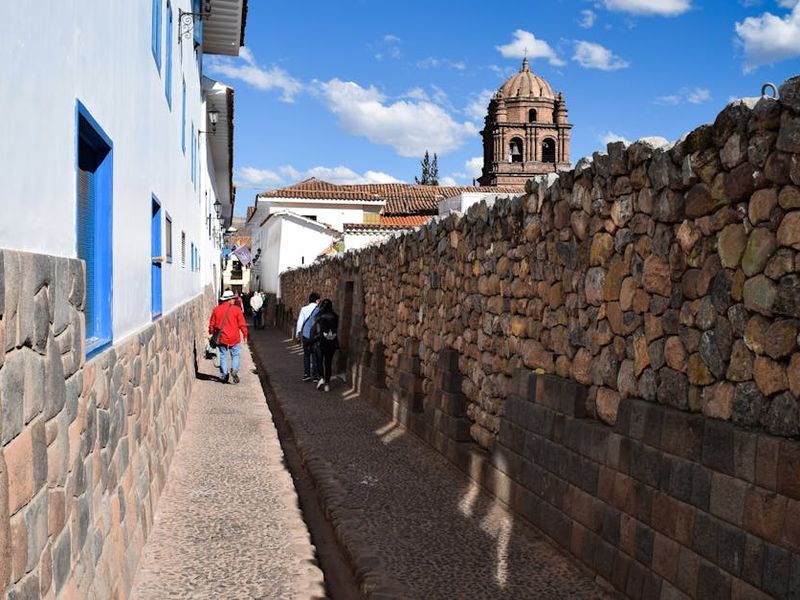
One of the biggest advantages of dental tourism in Cuenca is the chance to blend treatment with travel. After a crown or veneer fitting, stroll the historic center, enjoy riverside cafes along the Tomebamba River, browse artisan markets for handmade textiles and hats, and savor Ecuadorian cuisine made with fresh Andean ingredients.
Tips for combining care and sightseeing:
- Plan culturally rich but low-impact activities during the first few days post-op: museum visits, gentle walking tours, or a short scenic drive.
- Save hiking and strenuous activities for later in your recovery timeline, especially after implant surgery.
- Use your cost savings to upgrade your accommodation or book a guided day trip to Cajas National Park for a restorative nature experience.
Follow-Up Care and Long-Term Support
Good clinics provide a follow-up roadmap. For implant patients, that often means remote check-ins, a mid-term follow-up visit if needed, and clear instructions for long-term maintenance. Ask your clinic how they handle complications and whether they coordinate with local providers in your home country for future care.
Real Patient Experience: What to Expect
Many patients report being surprised by the level of personalization and attention they receive. Appointments tend to be less rushed, and staff frequently spend extra time on shade matching, aesthetics, and a thorough explanation of each step. For many, the combination of superior service, cost savings and the chance to recover in a charming city is transformational.
Final Thoughts: Is Cuenca Right for Your Dental Needs?
If you’re considering implants, crowns or veneers and want to maximize both quality and value, Cuenca is a hard-to-beat option. The city’s modern dental clinics, highly trained dentists, large cost savings, and peaceful recovery setting make it the ultimate place for dental tourism. With thoughtful planning — verified credentials, clear communication, and a realistic timeline — you can return home with excellent dental work and a refreshed sense of well-being from an unforgettable dental vacation.
Quick Action Plan
- Arrange a virtual consultation and get a detailed treatment plan.
- Compare 2–3 clinics based on credentials, photos and costs.
- Book flights and coordinate airport transfer with your clinic.
- Pack medical records and recovery essentials, and plan light activities for post-op days.
- Enjoy world-class dentistry and a beautiful recovery in the heart of the Andes.
Cuenca offers a rare blend of exceptional dental care and a restorative travel experience. For anyone weighing the cost and quality of major dental work, this city deserves a top spot on the shortlist.
Adam Elliot Altholtz serves as the Administrator & Patient Coordinator of the “Smilehealth Ecuador Dental Clinic“, along with his fellow Expats’ beloved ‘Dr. No Pain‘, right here in Cuenca, Ecuador, and for purposes of discussing all your Dental needs and questions, is available virtually 24/7 on all 365 days of the year, including holidays. Adam proudly responds to ALL Expat patients from at least 7:00am to 9:00pm Ecuador time, again every single day of the year (and once more even on holidays), when you write to him by email at info@smilehealthecuador.com and also by inquiry submitted on the Dental Clinic’s fully detailed website of www.smilehealthecuador.com for you to visit any time, by day or night. Plus, you can reach Adam directly by WhatsApp at +593 98 392 9606 -or by his US phone number of 1‐(941)‐227‐0114, and the Dental Clinic’s Ecuador phone number for local Expats residing in Cuenca is 07‐410‐8745. ALWAYS, you will receive your full Dental Service in English (NEVER in Spanish), per you as an Expat either living in or desiring to visit Cuenca by your Dental Vacation, plus also to enjoy all of Ecuador’s wonders that are just waiting for you to come arouse and delight your senses.