
Table of Contents
Introduction: A New Kind of Vacation — Beautiful City, Better Teeth
Imagine replacing a painful tooth or transforming your smile while staying in a charming colonial city with spring-like weather year round. That’s the promise of a dental vacation in Cuenca, Ecuador. For travelers from the United States and Canada seeking high-quality restorative work at a fraction of the cost, Cuenca checks every box: massive savings (often 60–70% compared to North American prices), highly trained dentists, modern clinics with cutting-edge technology, and a restorative environment perfect for recovery and relaxation.
Why Cuenca Stands Out for Dental Tourism
Dental tourism isn’t just about low prices. It’s about value: excellent clinical outcomes, convenience, safety, and an enjoyable stay. Cuenca’s appeal rests on several pillars that make it arguably the best place in the world for dental care:
- Substantial cost savings: Expect to pay roughly 30–40% of what you would in the US or Canada for implants, crowns, and veneers—typically a 60–70% savings.
- World-class dental training: Many Cuenca dentists are graduates of top Ecuadorian universities such as the Universidad de Cuenca and Universidad del Azuay, and many continue training with international fellowships, conferences, and partnerships.
- Modern clinics and technology: Clinics routinely use CBCT imaging, digital smile design, CAD/CAM milled zirconia, guided implant surgery, and on-site labs for faster turnaround.
- Short wait times and personalised care: Unlike waiting months in some systems, Cuenca clinics commonly schedule consultations and procedures quickly and provide dedicated one-on-one attention.
- Recovery-friendly environment: Cuenca’s temperate climate, scenic plazas, parks and nearby nature reserves make healing pleasant—and enjoyable.
Common Procedures and Realistic Expectations
Cuenca clinics excel at restorative and cosmetic treatments that draw dental tourists worldwide. Typical procedures include:
- Dental implants (single crowns, implant bridges, full-arch solutions)
- Zirconia crowns and bridges
- Porcelain veneers and cosmetic smile makeovers
- Root canals, extractions and bone grafting
- Full-mouth reconstructions
Many clinics offer immediate-load implants and temporary crowns so you can leave with a functioning smile. More complex treatments may require staged visits—commonly an initial surgical visit followed by a prosthetic visit several months later—but some teams coordinate with local labs to shorten timelines without sacrificing quality.
How Much Can You Save? The Numbers That Matter
One of the strongest reasons to choose Cuenca is the economics. Here’s what patients typically find when comparing prices:
- Single dental implant (surgery + abutment + crown): often 60–70% cheaper than the U.S./Canada.
- Porcelain crown: often 60–70% less than North American dental offices.
- Veneers: substantial savings while using the same high-quality ceramic materials.
These savings allow many travelers to upgrade materials (e.g., choosing zirconia over PFM) or complete more extensive treatment plans within budget, translating into life-changing outcomes at a fraction of the expected cost.
The Clinical Standard: Modern Clinics and Skilled Dentists
Cuenca’s dental clinics are not “back-alley” operations. Many are purpose-built facilities with sterilization protocols matching international standards. You’ll find:
- Digital radiography and CBCT scanners for accurate diagnostics
- Intraoral scanners and CAD/CAM milling for same-week crowns
- On-site dental laboratories producing high-quality zirconia and porcelain restorations
- Operating rooms equipped for implant surgery and sedation
Dentists in Cuenca often participate in continuing education through partnerships with universities and international organizations. Many speak fluent English and prioritize detailed consultations so you understand options, timelines, and expected outcomes.
Recovery in Cuenca: Why the City Helps You Heal
Recovery is an important part of any dental journey. Cuenca’s environment supports that process beautifully:
- Climate: At roughly 2,560 meters (8,400 feet) elevation, Cuenca has a mild, spring-like climate year-round—comforting for patients healing from oral surgery.
- Walkable historic center: Cobblestone plazas and riverside promenades are perfect for gentle walks after procedures.
- Quiet neighborhoods and boutique hotels: Many accommodations cater to international patients and offer the comfort needed for rest and low-stress recovery.
- Natural escapes: A short drive brings you to Cajas National Park, hot springs, and tranquil farm stays ideal for restful days.
Just remember: because Cuenca is at altitude, plan to acclimate for 24–48 hours before major oral surgery to minimize potential altitude-related discomfort. Avoid strenuous hikes immediately after implant surgery or bone grafts.
How to Plan Your Dental Vacation: Practical Steps
Planning makes the difference between a successful dental vacation and a stressful trip. Here’s a practical timeline and checklist:
Step 1 — Research and initial contact
- Request treatment plans from several clinics. Provide recent dental x-rays or a CBCT if available.
- Ask about materials, warranties, and lab partnerships. Confirm whether the clinic uses zirconia or high-grade ceramics.
- Verify doctor credentials and continuing education; ask for before-and-after photos.
Step 2 — Scheduling and travel
- Plan at least 7–10 days for straightforward crown or veneer cases; implants usually require staged visits—however, many clinics offer an initial surgical visit of 5–7 days for placement and immediate temporaries.
- Fly into Cuenca’s Mariscal La Mar Airport (CUE) via connections in Quito or Guayaquil. Many travelers opt to fly into Quito/Guayaquil and take a short local flight or an attractive bus ride through the Andes.
- Make hotel reservations near the historic center (El Centro) or neighborhoods like Miraflores or Parque Calderón for easy clinic access.
Step 3 — Prepare for treatment
- Bring your passport, medical history, and a list of medications. Digital copies of dental x-rays or CBCT scans help the clinic plan in advance.
- Obtain travel insurance that covers medical/dental travel if you prefer extra protection.
- Discuss local anesthesia, sedation options, and post-op prescriptions with your dentist before arrival.
Step 4 — Enjoy the city while you heal
- Schedule light activities: walking the Tomebamba riverbanks, visiting the cathedral, or dining at local restaurants with soft-food options.
- Book spa treatments or thermal baths for gentle relaxation—these are popular with dental vacationers seeking calm, low-impact recovery days.
Language, Payment, and Legal Considerations
Cuenca is very accessible for English-speaking patients. Many dentists and clinic staff speak English; clinics often assign coordinators to manage international patient logistics. Practical points to consider:
- Currency: Ecuador uses the U.S. dollar, simplifying payment for Americans and Canadians.
- Payment options: Clinics typically accept credit cards, bank transfers, and sometimes cash. Confirm deposit and cancellation policies in writing.
- Documentation: Request detailed treatment plans, cost breakdowns, and post-op instructions. Some clinics provide written warranties for prosthetics and implants.
Safety, Standards, and Continuity of Care
Safety is understandably a top concern. Cuenca clinics often adhere to international sterilization and safety protocols and many maintain affiliations with dental associations. For continuity of care:
- Keep copies of all dental records and prosthetic specifications to assist your local dentist back home if needed.
- Choose a clinic that offers remote follow-up via telehealth video calls and clear emergency contact procedures.
- Consider scheduling a follow-up appointment with your home dentist after returning to review radiographs and occlusion.
Beyond Dentistry: Combining Care with Cultural Riches
Part of Cuenca’s attraction is the ability to marry treatment with memorable experiences. During recovery days you can:
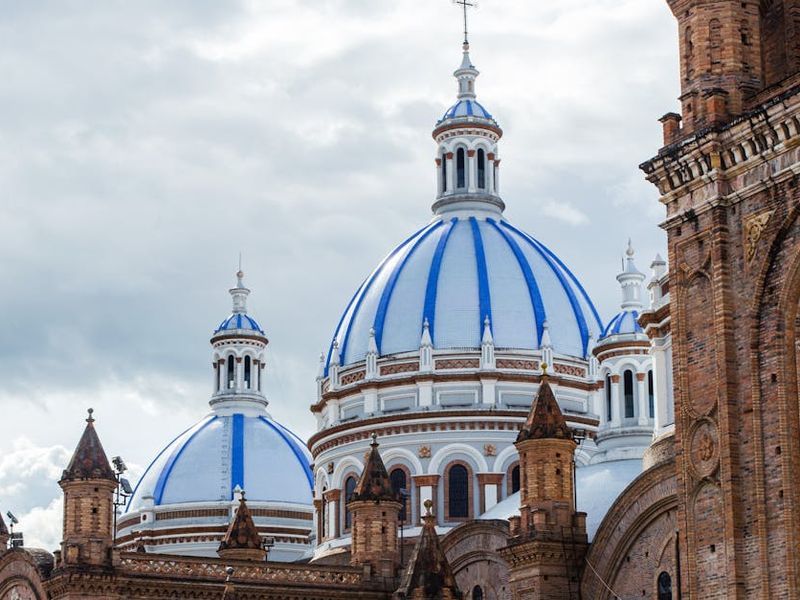
- Stroll the UNESCO-listed Historic Center and admire the blue-domed New Cathedral.
- Visit artisan markets in Chordeleg and Gualaceo for jewelry and textiles—great for low-impact shopping therapy.
- Take gentle day trips to Cajas National Park for birdwatching and scenic lakes or relax at nearby hot springs.
- Savor Ecuadorian cuisine at family-run restaurants—many offer soft-food menus ideal after dental procedures.
These experiences not only enrich your trip, they can contribute positively to your emotional well-being—an often overlooked ingredient in successful healing.
Questions to Ask Before You Book
Before committing, ask each clinic these essential questions to compare quality and fit:
- What materials and brands do you use for implants and crowns?
- Do you have CBCT imaging and intraoral scanners on-site?
- Can you provide a detailed treatment timeline, total cost, and what’s included?
- What is your policy for complications or revisions, and do you offer post-op telemedicine follow-up?
- Are there patient testimonials or before-and-after photo galleries I can review?
Final Thoughts: A Smart, Enjoyable Path to a Healthier Smile
Cuenca, Ecuador, offers more than just bargain dentistry; it offers high-value care. With modern clinics, experienced clinicians, large cost savings (typically 60–70% versus North America), and a gentle, beautiful city to recuperate in, Cuenca is uniquely positioned as the leading destination for dental tourism and dental vacations. Whether you’re considering implants, crowns, or a full cosmetic makeover, Cuenca delivers an unbeatable combination: excellent clinical standards, personalized service, and the restorative benefits of a world-class travel experience.
If you’re planning your dental vacation, take time to research clinics, prepare documentation, and schedule recovery-friendly activities. With smart planning, you can return home not only with a healthier, more confident smile, but also with memories of one of South America’s most charming cities.
Ready to explore options? Start by requesting treatment plans and comparing clinics’ technology, materials, timelines, and patient support services—Cuenca may be closer to the smile you want than you think.
Adam Elliot Altholtz serves as the Administrator & Patient Coordinator of the “Smilehealth Ecuador Dental Clinic“, along with his fellow Expats’ beloved ‘Dr. No Pain‘, right here in Cuenca, Ecuador, and for purposes of discussing all your Dental needs and questions, is available virtually 24/7 on all 365 days of the year, including holidays. Adam proudly responds to ALL Expat patients from at least 7:00am to 9:00pm Ecuador time, again every single day of the year (and once more even on holidays), when you write to him by email at info@smilehealthecuador.com and also by inquiry submitted on the Dental Clinic’s fully detailed website of www.smilehealthecuador.com for you to visit any time, by day or night. Plus, you can reach Adam directly by WhatsApp at +593 98 392 9606 -or by his US phone number of 1‐(941)‐227‐0114, and the Dental Clinic’s Ecuador phone number for local Expats residing in Cuenca is 07‐410‐8745. ALWAYS, you will receive your full Dental Service in English (NEVER in Spanish), per you as an Expat either living in or desiring to visit Cuenca by your Dental Vacation, plus also to enjoy all of Ecuador’s wonders that are just waiting for you to come arouse and delight your senses.