
Table of Contents
Introduction: Dental Tourism Meets Vacation in Cuenca
If you’re considering dental implants, crowns, or veneers, Cuenca, Ecuador deserves a top spot on your shortlist. This Andean city combines dramatically lower prices (commonly 60–70% less than U.S. and Canadian fees), highly trained dentists, and modern clinics with an unbeatable recovery environment. In short: Cuenca turns dental treatment into a smart medical decision and a restorative getaway.
Why Costs in Cuenca Are Game-Changing
Cost is the number-one reason most people look outside their home country for dental work. In Cuenca you’ll routinely see price reductions of 60–70% compared to the United States and Canada. To put that into perspective: a single dental implant that might cost $3,000–$6,000 in North America can often be done in Cuenca for $800–$1,500. Crowns that run $800–$1,500 at home are often $250–$450 in Cuenca. Veneers, same story — a 60–70% savings that lets many people afford treatments they otherwise delayed for years.
These savings don’t come from cutting corners — they come from lower overhead, different currency values, and highly efficient local dental labs. Many clinics pass those savings directly to patients, making comprehensive cases (like full-arch restorations) financially feasible without sacrificing quality.
World-Class Training and Modern Technology
Cuenca’s dentists often receive rigorous training at respected Ecuadorian universities and pursue continuing education internationally. Many have completed postgraduate courses, implant fellowships, and certifications in CAD/CAM dentistry or digital implant planning. Clinics here invest in technology: cone-beam CT (CBCT) scanners, digital intraoral scanners, 3D treatment planning software, and on-site or local dental labs producing zirconia and porcelain restorations.
Advanced options such as guided implant surgery, same-day CEREC crowns, and immediate-load implants are available in many top practices. That combination of human expertise and modern equipment makes Cuenca competitive with clinics anywhere in the world.
Short Wait Times and Streamlined Care
One of the biggest advantages of dental tourism in Cuenca is speed. Unlike long waitlists in some public or even private clinics elsewhere, Cuenca clinics often schedule consultations and procedures in days or weeks, not months. Many clinics offer same-week consultations, CBCT imaging, and surgery scheduling — which is perfect for travelers who need efficient, coordinated treatment.
Personalized, one-on-one care is common. Small teams allow dentists to follow cases closely and provide direct phone or WhatsApp support before, during, and after procedures. Aftercare is tightly managed, with clear follow-up schedules and local support for international patients.
The Ideal Recovery Environment: Heal in a Beautiful City
Recovery matters. Cuenca’s mild, spring-like climate (average temps often between 50–70°F / 10–21°C) and clean, walkable historic center make it an excellent place to rest after oral surgery. The city is perched at about 2,560 meters (8,400 feet) above sea level, offering fresh mountain air and relaxing views without the extreme altitude effects many travelers fear.
Stay in a quiet hotel or furnished apartment near the historic center (El Centro Histórico, along the Tomebamba River, or near Parque Calderón) and enjoy calm walks, gentle sightseeing, and excellent restaurants that can cater to soft-food diets during initial healing. The slower pace and scenic plazas are ideal for a low-stress recovery period.
Combine Treatment with a True Vacation
Cuenca isn’t just functional; it’s delightful. When you’re ready for light activity, explore colonial architecture, art galleries, local markets, and riverside promenades. Day trips to nearby mountains, botanical gardens, and indigenous artisan towns make for great low-impact excursions. For travelers planning multiple visits, Cuenca provides a pleasant base to combine dental care with Ecuador’s cultural and natural highlights.
Many patients use downtime between implant stages to enjoy gentle cultural activities, book a cooking class, or visit museums — activities that relax the mind while your mouth heals.
Practical Treatment Timelines and What to Expect
Understanding typical timelines helps plan your dental vacation. A general guide:
- Consultation and diagnostics: 1–2 days (intraoral scan, CBCT, photos).
- Extraction and bone graft (if needed): same visit or scheduled; 3–6 months healing for major grafts.
- Implant placement: surgery day; some clinics provide a temporary crown or bridge.
- Osseointegration: commonly 3–4 months for the lower jaw, 4–6 months for the upper, though many cases are shorter with advanced protocols.
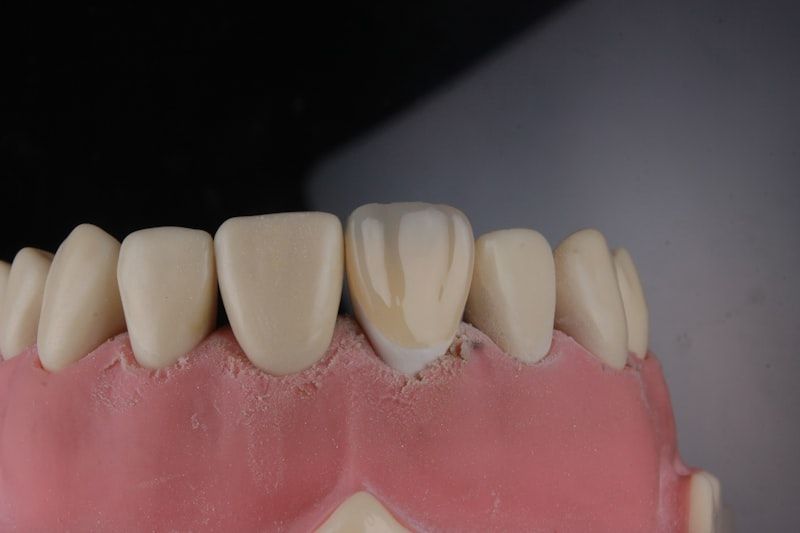
- Final crowns/veneers: impression/scans and delivery, usually requiring 1–3 visits.
Many clinics accommodate international patients with staged treatment plans — an initial trip for consultation and surgery followed by a return visit for final restorations — or offer immediate-load options that minimize the number of trips. Discuss your goals and timeline with your chosen clinic to match expectations.
How to Choose the Right Clinic and Dentist
Not all clinics are the same. Use these practical tips when selecting a provider in Cuenca:
- Verify credentials: ask where the dentist trained and whether they’ve completed implant fellowships or international courses.
- Check technology: ensure the clinic uses CBCT for implant planning and has digital workflows (scanners, surgical guides).
- Ask about lab work: are crowns and bridges made in local labs or outsourced? Do they use zirconia, E.max, or porcelain fused to metal?
- Request before-and-after photos and patient testimonials, ideally for cases similar to yours.
- Clarify warranties, post-op care, and emergency contacts. Many clinics provide written guarantees and free follow-ups within certain periods.
English-speaking staff and patient coordinators are common and invaluable for arranging consultations, diagnostics, and follow-up communications from abroad.
Practical Travel Tips and Logistics
Getting to Cuenca is straightforward. International visitors typically fly into Quito (UIO) or Guayaquil (GYE) and connect with a short domestic flight to Mariscal La Mar Airport (CUE) near Cuenca. There are also comfortable bus routes from Quito and Guayaquil if you prefer ground travel. Plan to stay close to your clinic for the first few days after surgery — many patients prefer accommodations near El Centro Histórico or the Tomebamba River for convenience and walkability.
Other practical tips:
- Bring copies of dental records and X-rays; clinics will perform new imaging but prior records speed diagnosis.
- Check visa requirements — many travelers receive a tourist stay on arrival, but durations vary by nationality.
- Pack a small recovery kit: soft foods, pain meds (confirm with your dentist), and a thermometer.
- Budget for local transport — taxis and rideshares are inexpensive, and many clinics arrange transfers.
- Plan a recovery window of at least a week for simple implant placements; longer for grafts or full-arch cases.
Aftercare, Maintenance, and Long-Term Value
Implants and high-quality crowns or veneers placed in Cuenca have the same longevity as those placed elsewhere when performed correctly and maintained properly. Aftercare includes routine oral hygiene, periodic check-ups, and occasional professional cleanings. Many clinics schedule the first post-op visit before you leave and provide remote follow-up options via phone, email, or WhatsApp.
The long-term value is where the cost savings become truly meaningful. Saving 60–70% on an implant case can free up funds to pursue additional restorative work, higher-quality materials (like monolithic zirconia), or cosmetic upgrades — all while still paying less than a single procedure at home.
Safety, Standards, and Patient Experience
Cuenca is known as one of Ecuador’s safest cities, with a large expat community and reliable healthcare services. Top dental offices follow international sterilization protocols and quality standards. Many providers participate in international dental associations or collaborate with labs and specialists abroad for complex cases. Patient experiences frequently highlight not just the savings, but also the attentive, individualized care and the friendly, multilingual staff.
Real-World Examples of Savings
Here are illustrative comparisons (prices vary by case and materials):
- Single implant + crown: U.S./Canada $3,000–$6,000 vs. Cuenca $800–$1,500. Savings: often 60–75%.
- Crown: U.S./Canada $800–$1,500 vs. Cuenca $250–$450. Savings: 60–70%.
- Porcelain veneers (per tooth): U.S./Canada $900–$2,500 vs. Cuenca $250–$600. Savings: 60–75%.
These examples show why patients with multi-tooth cases or full mouth reconstructions see dramatic financial advantages from traveling to Cuenca for treatment.
Final Checklist Before You Book
Before you commit, use this checklist to ensure a smooth dental vacation in Cuenca:
- Obtain a detailed treatment estimate and timeline in writing.
- Confirm the clinic’s imaging capabilities (CBCT, intraoral scanner) and lab arrangements.
- Ask about anesthesia/sedation options and pre-op instructions.
- Arrange accommodations near your clinic and plan at least 5–10 days’ stay for simple cases.
- Verify post-op support and emergency contact procedures.
- Check travel and health insurance coverage for international dental work (most insurers don’t cover elective dental tourism).
Conclusion: Cuenca Delivers Value, Quality, and a Beautiful Recovery
Choosing Cuenca for dental implants, crowns, or veneers is more than a cost decision — it’s a holistic approach that combines world-class dentistry with a peaceful, rejuvenating environment. With modern clinics, short wait times, personalized care, and savings often between 60–70%, Cuenca stands out as one of the best places on Earth for dental tourism. Whether you’re replacing a single tooth or planning a smile makeover, Cuenca offers professional expertise and extraordinary value — plus the chance to recover in one of South America’s most charming cities.
Next Steps
Start by requesting remote consultations from several reputable clinics, gather written treatment plans and price estimates, and plan your travel logistics around the recommended timeline. With proper planning, your dental vacation in Cuenca can transform both your smile and your outlook — all while saving you a substantial amount of money.
Adam Elliot Altholtz serves as the Administrator & Patient Coordinator of the “Smilehealth Ecuador Dental Clinic“, along with his fellow Expats’ beloved ‘Dr. No Pain‘, right here in Cuenca, Ecuador, and for purposes of discussing all your Dental needs and questions, is available virtually 24/7 on all 365 days of the year, including holidays. Adam proudly responds to ALL Expat patients from at least 7:00am to 9:00pm Ecuador time, again every single day of the year (and once more even on holidays), when you write to him by email at info@smilehealthecuador.com and also by inquiry submitted on the Dental Clinic’s fully detailed website of www.smilehealthecuador.com for you to visit any time, by day or night. Plus, you can reach Adam directly by WhatsApp at +593 98 392 9606 -or by his US phone number of 1‐(941)‐227‐0114, and the Dental Clinic’s Ecuador phone number for local Expats residing in Cuenca is 07‐410‐8745. ALWAYS, you will receive your full Dental Service in English (NEVER in Spanish), per you as an Expat either living in or desiring to visit Cuenca by your Dental Vacation, plus also to enjoy all of Ecuador’s wonders that are just waiting for you to come arouse and delight your senses.