
Table of Contents
Introduction: The Rise of Dental Tourism in Cuenca
If you’ve been postponing dental implants, crowns or veneers because of cost or long waits at home, Cuenca, Ecuador deserves a top spot on your radar. This UNESCO-listed city blends highly trained dental professionals, modern clinics with cutting-edge technology, and dramatic cost savings—often 60–70% compared with the US and Canada—plus an ideal recovery environment. For many travelers, Cuenca isn’t just a place to get dental work; it’s the perfect destination for a restorative dental vacation.
Why Choose Cuenca for Dental Implants: Cost, Quality, and Convenience
There are three simple reasons most people choose Cuenca: price, quality, and experience. Implant procedures that can cost $3,000–$6,000 in the United States often run between $800 and $1,800 in Cuenca. Crowns and veneers follow a similar pattern: crowns frequently cost 60–70% less, and veneers—crafted from premium ceramics—can be available for a fraction of North American prices. Those savings make premium materials and extra procedures (like additional implants or bone grafting) realistic options.
Cost alone isn’t the full story. Dentists in Cuenca have degrees from respected Ecuadorian universities and many pursue postgraduate training abroad—in the US, Europe, or Brazil—bringing advanced techniques back to local practices. Clinics in Cuenca commonly offer digital 3D CBCT imaging, guided implant surgery, CAD/CAM restorations, and high-quality implant brands. The result: world-class care without the long wait lists or sky-high bills.
The Clinics: Modern, Tech-Savvy and Patient-Focused
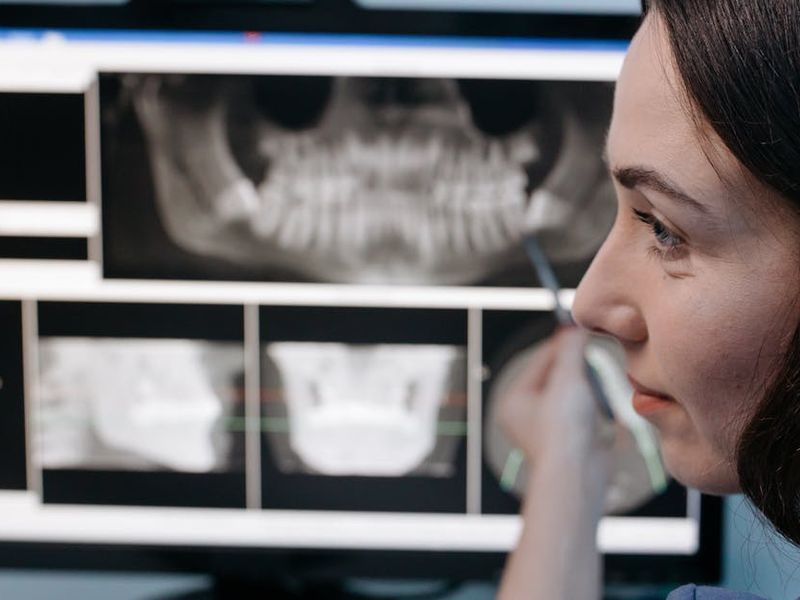
Walk into many dental offices around Cuenca and you’ll find small, modern clinics outfitted with international-standard sterilization, digital panoramic X-rays, intraoral scanners and in-house labs for fast, precise crowns. Many clinics emphasize one-on-one care: a dedicated coordinator who manages appointments, treatment planning, and post-op calls. That concierge-style approach speeds up scheduling and keeps communication crystal clear—especially helpful if English is your second language.
Ask clinics about the technology they use: CBCT (cone beam CT) for precise implant planning, CAD/CAM milling for custom crowns in ceramic or zirconia, and guided surgery kits for millimeter-accurate implant placement. These tools reduce surprises and speed healing, which matters when you’re combining treatment with travel.
How the Dental Vacation Works: Planning, Timelines and Typical Itineraries
Timing depends on the procedure. Simple crowns or veneers often require just two short visits over 7–10 days—one for prepping and scanning, another for fit and final polishing. Dental implants can take longer if bone grafts are needed: many patients schedule two visits six to twelve weeks apart (or up to 3–6 months for traditional implant-to-crown timelines). However, many Cuenca clinics offer immediate-load implants and full-arch solutions (like All-on-4) that reduce overall downtime.
A common dental vacation plan:
- Week 1: Consultation, imaging (CBCT), extractions or implant placement.
- Recovery period: Stay in Cuenca (7–21 days) to rest and enjoy light activities, with follow-up visits as needed.
- Week 6–12: Return visit for abutments and final crowns, or for impressions and ceramic delivery if same-day crowns weren’t possible.
Many travelers combine a two-week stay with a shorter return trip for final adjustments; others opt for a single, extended stay if bone grafts or complex rehabilitation are involved.
Recovering in Cuenca: Climate, Scenery and Gentle Activities
Cuenca’s mild, spring-like climate (average temperatures around 12–20°C) makes it ideal for post-op recovery: you can enjoy fresh air, parks and riverside walks without extreme heat or cold. The city’s manageable pace and abundance of cafés, museums and quiet plazas let you rest comfortably between follow-up visits.
Top low-impact activities for recovering dental patients:
- Stroll along the Tomebamba River and through the historic Centro Histórico around Parque Calderón.
- Day trips to Cajas National Park for gentle walks at altitude, with many short, scenic routes.
- Explore artisan towns like Gualaceo and Chordeleg (jewelry and weaving markets) for relaxed shopping and cultural immersion.
Cuenca’s abundance of upscale hotels and furnished apartments makes it easy to choose accommodations with kitchenettes and soft food options—key when you’re on a post-op diet.
What to Expect: Clinical Standards, Credentials and Safety
Cuenca clinics adhere to international sterilization protocols and many follow ISO or equivalent standards. Before committing, request to see the dentist’s credentials and continuing education certificates. Many dentists will happily share their postgraduate training and membership in professional associations.
Practical verification steps:
- Read patient reviews and before/after galleries.
- Ask if the clinic uses major implant system brands (Nobel Biocare, Straumann, AstraTech, Zimmer) and which ceramic materials are used for crowns/veneers.
- Confirm sterilization procedures and whether your clinic uses disposable or single-patient components when possible.
Language, Communication and Personalized Care
Many dental offices in Cuenca employ English-speaking staff or offer a patient coordinator who translates and helps manage logistics. That personalized one-on-one care is a hallmark of the city’s clinics: staff frequently accompany you through the entire process—from estimating costs to arranging local transportation and booking follow-ups.
If you prefer, request teleconsultations with your dentist before travel so you can review the treatment plan, ask about anesthesia or sedation options, and receive a written cost breakdown. This also helps avoid surprises and ensures you’re comfortable with the proposed timetable.
Practical Travel Tips: Flights, Accommodation, Altitude and Insurance
Getting to Cuenca is straightforward. The city is served by Mariscal Lamar Airport (CUE) with connections via Quito or Guayaquil. Many travelers fly into Quito or Guayaquil and take a short domestic flight or a scenic bus or private transfer. Taxis and ride-sharing are inexpensive and clinics often arrange pickup from the airport.
Cuenca sits at roughly 2,560 meters (about 8,400 feet). For most healthy travelers this altitude is manageable, but it can influence bleeding and healing slightly; discuss any cardiovascular or respiratory issues with your dentist and physician. Bring comfortable, layered clothing for the cool evenings and a modest first-aid kit including any prescription medicine you take regularly.
Insurance and financing: dental insurance rarely covers international procedures, so plan for out-of-pocket payment. Many clinics accept major credit cards or bank transfers and some offer financing or payment plans. Consider travel insurance that covers medical evacuation—ask your insurer whether elective dental procedures are covered.
Sample Costs and Value: Real Savings Without Sacrificing Quality
While prices vary by clinic and material choices, typical ranges illustrate why Cuenca is so appealing:
- Single dental implant (surgery + implant + abutment + crown): US/Canada $3,000–$6,000; Cuenca $800–$1,800.
- Porcelain crown: US/Canada $800–$1,500; Cuenca $200–$450.
- Veneer (porcelain): US/Canada $900–$2,500; Cuenca $250–$650.
Those numbers don’t include the added value of shorter wait times, a personalized care plan, or the mental benefits of recovering in a peaceful, culturally rich city. For many, paying less for higher-output care means choosing superior materials or adding cosmetic finishing touches they otherwise couldn’t afford.
Questions to Ask Your Dentist Before Booking
To protect your investment and ensure comfort, ask potential clinics these questions:
- What implant system and crown materials do you use?
- Can you provide before-and-after photos and patient references?
- What is included in the quoted cost? (Imaging, anesthesia, follow-ups, lab work, warranty)
- Do you offer emergency contact or post-op telemedicine support after I return home?
- What sedation options are available, and who administers anesthesia?
Combining Culture, Cuisine and Comfort During Recovery
Beyond dental care, Cuenca’s cultural offerings make it easy to recuperate without feeling bored. Sample Ecuadorian cuisine at family-run restaurants, explore the weekly markets for fresh fruits and juices perfect for soft diets, and browse artisan stores for toquilla hats and silver filigree jewelry. Friendly cafés and quiet parks are ideal for low-impact excursions between follow-up visits.
Many clinics will recommend local hotels or furnished apartments near the historic center so patients can minimize taxi rides and stay close to their dentist. Look for rooms with kitchenettes if you need to prepare smoothies or pureed meals.
Final Thoughts: Cuenca as the Ideal Dental Tourism Destination
Thousands of international patients arrive in Cuenca each year for implants, crowns and veneers because the city offers an unmatched combination of clinical expertise, modern technology, and affordability. Add short wait times, warm personalized care, and a remarkably tranquil recovery setting, and it’s easy to see why so many people call Cuenca the world’s best place for dental tourism. Whether you seek a single implant or a full cosmetic makeover, planning ahead and choosing a reputable clinic will let you fix your smile—and enjoy one of South America’s most beautiful cities while you do.
Quick Checklist Before You Book
- Obtain a pre-travel consultation and written treatment plan.
- Bring or email existing dental X-rays and medical history to your dentist.
- Confirm post-op support and bilingual coordination.
- Plan for at least 7–14 days in Cuenca for most procedures; longer if grafting or complex work is required.
- Pack soft-food essentials and any regular medications.
Cuenca offers tremendous value for dental implants and cosmetic dentistry, combining affordability with high clinical standards and an enchanting place to rest and recover. If you’re ready to transform your smile without breaking the bank, Cuenca may well be the smartest—and most enjoyable—dental decision you ever make.