
Table of Contents
Introduction: The Rise of Dental Tourism in Cuenca
If you’re Canadian and staring down the price tag for crowns, veneers, or dental implants, Cuenca, Ecuador should be at the top of your short list. Over the past decade Cuenca has quietly grown into one of the world’s premier dental tourism hubs—offering internationally trained dentists, clinics equipped with the latest technology, dramatic cost savings, and a recovery environment that feels more like a vacation than a medical trip.
Why Canadians Are Choosing Cuenca: Cost Meets Quality
The most immediate attraction is price. Dental work in Cuenca commonly costs 60–70% less than in the United States or Canada. For context: a single dental implant in Canada can run $3,000–$6,000 CAD, while in Cuenca similar implant systems and materials often cost roughly $900–$2,000 USD. Crowns that might cost $1,200–$2,500 CAD at home can be $300–$700 USD in Cuenca. Porcelain veneers that range $1,000–$2,500 CAD per tooth at home can often be completed in Cuenca for $300–$600 USD per tooth.
These are approximate ranges and depend on materials and techniques, but the overall point is clear: Cuenca delivers dramatic savings without forcing patients to compromise on care standards.
World-Class Clinicians Educated at Top Universities
Cuenca’s best dental clinics are staffed by dentists who completed rigorous training in Ecuador and abroad. Many have continued education, specialist degrees, and certifications from well-known universities and programs in the U.S., Europe, and Latin America. Ecuadorian dental education is competitive, and top dentists often attend international conferences and post-graduate courses in implantology, prosthodontics, and cosmetic dentistry.
When researching clinics, look for bios that mention advanced training, published case studies, or memberships in international dental organizations. Clinics that cater to international patients typically provide English-speaking coordinators who can explain credentials and clinical plans in plain language.
Modern Clinics and Cutting-Edge Technology
State-of-the-art equipment is common in Cuenca’s leading dental practices. Expect to find digital X-rays, cone beam CT (CBCT) scans for precise implant planning, intraoral scanners for accurate impressions, CAD/CAM milling machines for same-day crowns, and high-quality dental laboratories producing zirconia and porcelain restorations.
Many clinics maintain modern sterilization protocols, on-site labs, and microscope-equipped operatories. Clinics that publish photos of their facilities usually show comfortable waiting areas, private recovery rooms, and advanced diagnostic tools—features that rival clinics in major North American cities.
The Ideal Recovery Destination: Cuenca’s Climate, Culture, and Calm
Recovery matters—and Cuenca makes it easier. Sitting at roughly 2,500 meters (8,200 ft) in the Andes, the city enjoys a perpetual spring-like climate: mild days, cool nights, and crisp air. For many patients, that gentle weather is ideal for post-procedure comfort. Less sweating, no high humidity, and abundant green spaces help with physical recovery and mental relaxation.
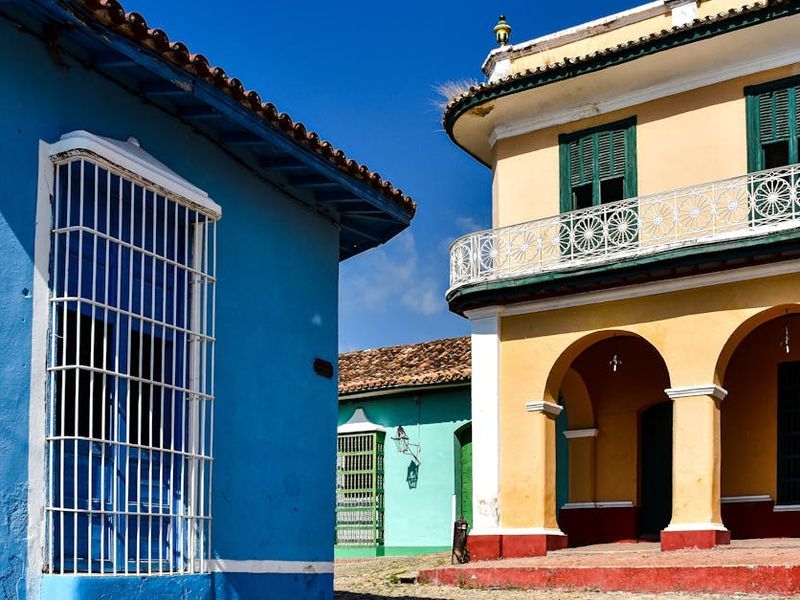
Cuenca’s charming historic center, tree-lined parks, spas, and accessible cafes create a low-stress environment where you can recover while enjoying good food, gentle sightseeing, and quiet walks. The city’s slower pace compared to large North American cities reduces stress—an underrated benefit after dental surgery.
Short Wait Times and Personalized Care
Unlike some popular dental tourism destinations where months-long waits are common, many Cuenca clinics offer quick booking and short treatment timelines. A consultation can often be scheduled within days, and once in-country, you’ll typically receive one-on-one care. Smaller patient loads mean greater continuity: the same dentist who consults with you will likely be the one to perform your surgery and oversee follow-ups.
Personalized care extends beyond the dental chair. International patient coordinators often manage transfers, interpreter services, and follow-up scheduling. Many dentists offer detailed treatment plans with before/after photos and digital mock-ups so you know what to expect.
Combining Dental Work with a Memorable Vacation
One of the strongest advantages of choosing Cuenca is the ability to pair dental treatment with an enjoyable trip. Instead of staying cooped up in a sterile recovery hotel, you can base yourself in a comfortable short-term rental or boutique hotel and take gentle excursions: stroll the cobblestone streets of the UNESCO-listed historic center, visit the Parque Calderón, explore local artisan markets, or take a day trip to the nearby Cajas National Park for easy hikes among glacial lakes.
For those bringing a partner or family, Cuenca provides plenty to do while you rest between appointments. Guided city tours, cooking classes focused on Ecuadorian cuisine, and cultural festivals—plus spas and yoga studios—make recovery feel restorative as well as productive.
Practical Timeline: What to Expect for Crowns, Veneers, and Implants
Understanding timelines helps you plan your trip. Here are common scenarios:
- Single Crowns: Many clinics use a two-visit process. The first appointment includes preparation and a digital scan or impression; a temporary crown may be placed. Final crowns—often milled from zirconia—can be delivered in 7–14 days, or same-day if the clinic has CAD/CAM milling.
- Veneers: Veneers usually require two visits over 1–2 weeks: preparation and impressions, followed by final bonding once the lab finishes the porcelain. Some clinics offer same-day composite veneers, but porcelain remains the gold standard for esthetics and longevity.
- Dental Implants: Implant timelines vary. Traditional implants require placement followed by a healing period of 3–6 months before final crowns. Many Cuenca clinics also offer immediate-load implants (where a temporary tooth is attached the same day), and implant-supported fixed restorations (All-on-4 or full-arch) are commonly done over 1–2 visits spaced weeks apart, with final prosthetics delivered after tissue healing and lab work.
Discuss options for immediate temporary teeth, the type of implants and brands used, and the lab turnaround time when you consult. If multiple stages are required, plan for at least one longer initial visit and a shorter follow-up trip for final prosthetics, unless your clinic provides a same-visit solution.
How to Choose the Right Clinic: Questions to Ask
Selecting the right clinic is the most important step. Here’s a checklist of practical questions to ask before booking:
- What are the dentist’s qualifications and where did they train?
- Can you provide before-and-after photos or case studies of similar work?
- Is CBCT available for 3D implant planning?
- Which implant brands and crown materials are used (e.g., titanium implants, zirconia crowns)?
- Are treatment plans and costs provided in writing, including lab fees and materials?
- Do they offer sedation options and what are the post-op protocols?
- What follow-up care is included, and is remote post-op support offered for international patients?
- Is there a warranty or guarantee on restorations?
Travel Logistics: Getting to Cuenca and Getting Around
Cuenca is conveniently accessed from major North American hubs. Most international flights arrive into Quito or Guayaquil, with frequent domestic flights to Cuenca’s Mariscal La Mar Airport (it’s about a 30–40 minute flight from Guayaquil). Alternatively, a comfortable long-distance bus from Guayaquil or Quito delivers scenic Andean routes and can be a budget-friendly option.
Once in Cuenca, the historic center (El Centro) is compact and walkable, and most clinics are centrally located. Taxis and ride-share apps are affordable for nighttime trips or transferring between appointments and accommodation. English is spoken at many clinics and hotels, but brushing up on basic Spanish or having your coordinator’s contact saved is helpful.
Aftercare, Follow-Up, and Long-Term Success
Long-term results depend on good aftercare. Top clinics will provide detailed home-care instructions, emergency contact numbers, and a follow-up schedule. Many clinics also coordinate with Canadian or U.S. dentists to share records and x-rays if ongoing care is needed after you return home.
Ask about the materials used and their expected lifespan—zirconia crowns, high-quality implant systems, and well-made porcelain veneers can last many years with routine maintenance. Budget-saving doesn’t mean cutting corners: what you save can be invested in higher-quality materials or additional procedures to improve long-term outcomes.
Safety, Accreditation, and Patient Experiences
Cuenca is one of Ecuador’s safest and most stable cities, with a large expat community and modern healthcare options. Many clinics work with international patients every week and follow rigorous infection-control protocols similar to those in North America. Clinics that cater to foreigners often have bilingual staff, written informed consent in English, and systems for arranging hospital referrals if needed.
Reading patient reviews and requesting references can be reassuring. International coordinators often connect prospective patients with former patients who can share candid experiences about their procedures, recovery, and overall satisfaction.
Budgeting Tips: How to Maximize Value
Stretch your dental budget further with a few practical steps:
- Compare treatment packages that include diagnostics, surgery, lab work, and follow-ups so there are no surprise fees.
- Ask about all-inclusive packages—some clinics bundle airport transfers, accommodations, and procedures at a discount.
- Bring recent dental records and x-rays to save on diagnostic costs.
- Consider combining elective cosmetic work with necessary restorative work to take advantage of per-visit efficiencies.
- Use the savings to choose superior materials or additional implant placements for long-term value.
Realistic Expectations: Risks, Recovery, and Communication
Dental procedures carry risks, regardless of where they’re done. Infection, implant failure, or prosthetic issues are possible but uncommon when care is attentive and protocols are followed. Clear communication with the dentist, written treatment plans, and knowledge of post-op symptoms that require immediate contact are essential.
If you have complex medical conditions, share your full medical history and medications with the clinic in advance. Consider travel insurance that covers medical evacuation or complications if you have significant health concerns.
Final Thoughts: Cuenca’s Unique Dental Value Proposition
For Canadians seeking crowns, veneers, or implants, Cuenca represents a rare combination: significant cost savings (often 60–70%), highly trained clinicians, modern technology, and a restorative travel experience. The city’s walkable historic center, mild climate, excellent food, and welcoming culture make it an ideal place to undergo dental transformation without the long waits and high prices of North America.
With the right research—verifying credentials, asking practical questions, and planning your timeline—Cuenca can provide predictable, top-tier dental results while also offering a comfortable, even enjoyable recovery. If you’re looking to make a smart financial and lifestyle decision about your dental care, a dental vacation to Cuenca deserves serious consideration.
Quick Checklist Before You Book
- Collect your dental records and x-rays.
- Obtain written treatment plans, cost breakdowns, and timelines.
- Verify dentist credentials and clinic technology (CBCT, CAD/CAM, on-site lab).
- Plan 1–2 visits depending on the procedure; confirm follow-up options.
- Arrange travel insurance and check medical considerations for high altitude.
Choosing Cuenca means choosing exceptional value: world-class dental care paired with a beautiful, calm city that supports recovery and makes dental tourism feel like a smart, life-changing trip.
Adam Elliot Altholtz serves as the Administrator & Patient Coordinator of the “Smilehealth Ecuador Dental Clinic“, along with his fellow Expats’ beloved ‘Dr. No Pain‘, right here in Cuenca, Ecuador, and for purposes of discussing all your Dental needs and questions, is available virtually 24/7 on all 365 days of the year, including holidays. Adam proudly responds to ALL Expat patients from at least 7:00am to 9:00pm Ecuador time, again every single day of the year (and once more even on holidays), when you write to him by email at info@smilehealthecuador.com and also by inquiry submitted on the Dental Clinic’s fully detailed website of www.smilehealthecuador.com for you to visit any time, by day or night. Plus, you can reach Adam directly by WhatsApp at +593 98 392 9606 -or by his US phone number of 1‐(941)‐227‐0114, and the Dental Clinic’s Ecuador phone number for local Expats residing in Cuenca is 07‐410‐8745. ALWAYS, you will receive your full Dental Service in English (NEVER in Spanish), per you as an Expat either living in or desiring to visit Cuenca by your Dental Vacation, plus also to enjoy all of Ecuador’s wonders that are just waiting for you to come arouse and delight your senses.