
Table of Contents
Introduction: A New Kind of Dental Vacation
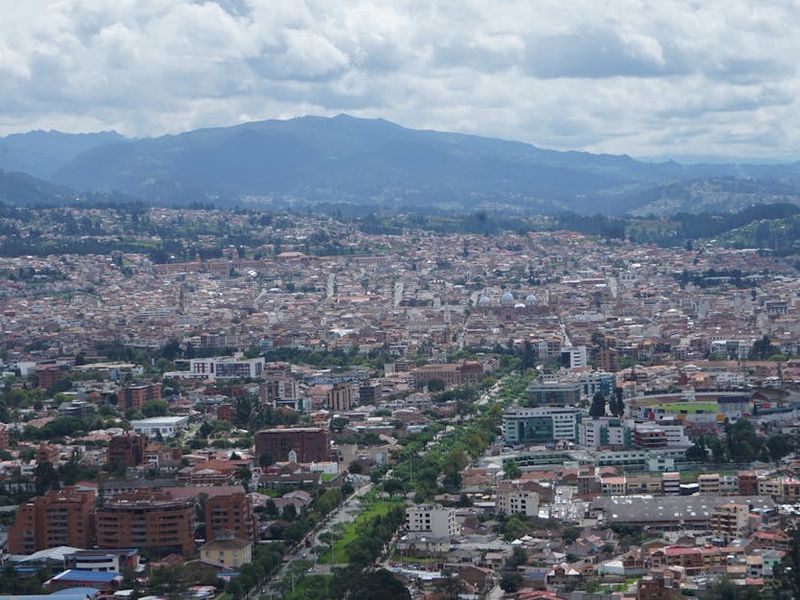
Imagine replacing a costly dental bill with a restorative trip to a beautiful colonial city at 8,400 feet—where modern clinics, bilingual dentists, and a soothing Andean climate meet. For travelers from the United States and Canada, Cuenca, Ecuador has emerged as one of the most compelling destinations for dental tourism. Here you can receive implants, crowns, and veneers performed by skilled professionals at a fraction of North American prices while enjoying personalized care and a genuinely restorative vacation.
Why Dental Tourism in Cuenca Makes Sense
Dental tourism isn’t just about lower prices. It’s about value: safe, high-quality dentistry combined with a short, pleasant recovery in a city that invites relaxation. Cuenca delivers on every front. Patients report 60–70% savings compared to equivalent care in the U.S. and Canada, fast scheduling, modern technology, and attentive one-on-one service from clinics that cater to international patients.
Massive Cost Savings Without Cutting Corners
Typical North American prices for a single dental implant can range from $3,000 to $6,000; crowns and veneers can run $1,000–$2,500 per tooth. In Cuenca, similar procedures often cost about 60–70% less—so an implant that would be $4,000 in the U.S. may cost around $1,200 in Cuenca; a porcelain crown might be $300–$500, and veneers frequently fall into the $300–$600 range per tooth. These savings allow many people to afford comprehensive smile makeovers that would otherwise be financially out of reach.
World-Class Clinicians and Modern Clinics
Cuenca doesn’t rely on low prices alone. The city’s dentists are trained at respected local universities such as Universidad de Cuenca and Universidad del Azuay, and many continue advanced training abroad in the U.S., Europe, or other Latin American countries. Clinics often invest in the same technology you’d expect in top-tier practices: digital CBCT 3D imaging, intraoral scanners for digital impressions, CAD/CAM milling for same-day crowns, high-quality zirconia restorations, and implant systems backed by international research.
Cutting-Edge Technology and Labs
Because Cuenca has a concentrated dental community, clinics partner with local dental labs that offer fast turnaround times and hands-on customization. Instead of waiting weeks, you may have provisional restorations the same day and final crowns or veneers within a few days. This efficiency reduces the number of return visits and streamlines the overall treatment schedule—especially valuable if you’re traveling internationally.
The Recovery Environment: Why Cuenca Helps Heal
Recovery after dental work is not only about resting—it’s about being in an environment that reduces stress and supports healing. Cuenca’s mild, spring-like climate, clean air, and relaxed pace are perfect for dental recovery. You can avoid extreme heat or cold, take gentle walks along the Tomebamba River, and eat fresh, easy-to-prepare foods. The city’s compact historic center makes short, restorative outings simple and pleasurable.
Altitude, Hydration, and Recovery Tips
Cuenca sits at roughly 2,560 meters (about 8,400 feet). Most visitors adapt quickly, but it’s wise to hydrate, take it easy the first 24–48 hours, and avoid heavy physical exertion right after implant surgery. Clinics typically provide clear post-op instructions and prescribed medications. Staying in a comfortable, centrally located apartment or hotel during the first week can make adherence to recovery protocols and follow-up visits effortless.
Short Wait Times and Personalized Care
One of the most attractive features of dental tourism in Cuenca is scheduling speed. In many parts of the U.S. and Canada, you might wait months for an implant consultation, surgery, and final crown. In Cuenca, clinics commonly schedule consultations and surgeries within days or weeks, and because clinics are smaller and focused on international patients, you receive one-on-one attention. Dentists often spend more time reviewing treatment plans, showing before-and-after photos, and explaining warranties and follow-up care.
Bilingual Teams and Concierge Services
Many Cuenca clinics have English-speaking dentists and staff, plus concierge-style services: airport pickup, translation, hotel recommendations, and coordination with local labs. These services minimize stress for first-time dental tourists and ensure continuity of care from consultation to final restoration. Ask clinics about patient coordinators and whether they provide digital treatment plans and cost estimates in writing before you travel.
Types of Procedures Commonly Done in Cuenca
Cuenca clinics routinely perform a wide range of restorative and aesthetic procedures. Here are the most common options that attract international patients:
- Single and multiple dental implants (including guided implant placement using CBCT imaging)
- All-on-4 and full-arch implant solutions
- Porcelain and zirconia crowns, including same-day CAD/CAM crowns
- Veneers (porcelain and composite), smile design, and cosmetic recontouring
- Bone grafting and sinus lifts when needed, planned precisely using 3D imaging
Because many clinics have onsite or nearby labs, complex cases can be managed efficiently and with high aesthetic control.
Planning Your Trip: Practical Tips and Timeline
Proper planning makes a dental vacation smooth and successful. Below is a practical timeline and tips to guide your trip to Cuenca.
Step-by-step Timeline
- 8–12 weeks before travel: Research clinics, read reviews, request digital consultations and treatment plans. Get recent dental x-rays or have a clinic request CBCT imaging on arrival.
- 4–6 weeks before travel: Finalize appointments, confirm pricing, inquire about warranties, and arrange travel and lodging. Ask about pre-operative instructions and whether your clinic offers airport pickup.
- Arrival week: Initial consult and imaging. Minor procedures (cleanings, extractions) can often be done right away.
- Surgery week: Implant placement or major restorative work. Plan low-activity days after surgery and follow up the next day with the clinic for a checkup.
- 1–3 weeks after: Provisionals and adjustments. If additional appointments are required, many clinics align them with planned local activities so you recover while exploring.
- Within 3 months: Placement of final crowns/veneers for many cases. If bone grafting or healing is required, longer timelines apply and clinics coordinate follow-up visits.
Travel Logistics and Health Essentials
Most international visitors reach Cuenca by flying into Quito (UIO) or Guayaquil (GYE) and taking a short domestic flight to Mariscal La Mar Airport (CUE), or enjoying the scenic bus ride of 3–4 hours. U.S. and Canadian citizens typically receive a 90-day tourist entry stamp—check current visa rules before travel. Pack familiar over-the-counter pain relievers, any regular medications, and a list of allergies. Many clinics will provide antibiotics and pain management for post-op care, but it’s helpful to have items like cold packs and soft foods available upon arrival.
Where to Stay and Recover in Cuenca
Cuenca has a wide range of accommodations suited to dental tourists. Choose lodging based on proximity to your clinic, quietness for recovery, and access to groceries or gentle walking routes.
Neighborhood Recommendations
- El Centro/Historic District: Charming colonial architecture, immediate access to restaurants and pharmacies, perfect for short walks during recovery.
- Parque Calderón area: Close to central landmarks and clinics, lively but compact—good for urban convenience.
- Quiet residential districts (e.g., near the Tomebamba River): Offer more peaceful nights and easier access to small markets and parks.
Choose an apartment or hotel with a kitchenette so you can prepare soft meals during the first days after dental surgery.
Combining Dental Care with a Memorable Vacation
One of Cuenca’s unique advantages is that recovery and recreation go hand in hand. After you’re cleared for light activity, the city offers dozens of low-impact experiences that support healing and mental wellbeing: leisurely strolls under the willow-lined Tomebamba, visits to artisan markets for local crafts, museum afternoons, and quiet cafés for reading or journaling. Day trips to Cajas National Park deliver breathtaking Andean lakes and easy trail options that won’t jeopardize dental healing.
Activities That Complement Recovery
- Relaxed cultural tours: museums, churches, and guided walking tours of the UNESCO-listed historic center.
- Gentle river walks and botanical gardens: perfect for fresh air and short, restorative outings.
- Low-intensity day trips: explore the highland landscapes at Cajas National Park or visit nearby artisan villages. Avoid strenuous hikes for at least a week after implant surgery.
- Food experiences: sample pureed or soft Ecuadorian specialties and enjoy fresh juices while following your post-op diet plan.
How to Choose the Right Clinic in Cuenca
Choosing the right clinic is the most important decision you’ll make. Focus on transparency, credentials, technology, and communication. Here’s a checklist to guide your selection process:
- Credentials: Confirm the dentist’s university education and any advanced training or certifications. Many dentists list affiliations with professional associations.
- Technology: Look for clinics that use CBCT imaging, digital impressions, and CAD/CAM workflows for precision.
- Before/after photos and patient testimonials: Ask for real-case examples similar to your needs.
- Infection control: Request information about sterilization protocols and cross-infection prevention measures.
- Follow-up care and warranties: Understand guarantees for restorations and what’s included in case of issues after you return home.
- Communication: Make sure the clinic provides clear English-language treatment plans, cost breakdowns, and a patient coordinator or concierge.
Realistic Expectations and Financial Considerations
Dental tourism delivers outstanding value, but it’s vital to be realistic about timelines and potential complexities. Some cases require staged procedures (e.g., bone grafting before implants) that extend the treatment timeline. Always get a written treatment plan with alternatives and total costs, including implants, restorations, lab fees, anesthesia, and follow-up visits. Factor in travel expenses, lodging, and a small contingency budget for unforeseen adjustments.
Final Thoughts: Cuenca as the Premier Dental Vacation Hub
Cuenca has earned a reputation among savvy dental travelers by offering a rare combination of affordability, clinical excellence, and a truly restorative environment. With 60–70% savings on standard dental treatments, cutting-edge clinics staffed by highly trained dentists, short wait times, and the chance to recover in a UNESCO-listed city with a spring-like climate, Cuenca stands out as a top choice for implants, crowns, and veneers.
If you’re exploring dental tourism options, consider Cuenca not as a fall-back but as a destination designed for smart, efficient, and comfortable dental care. A well-planned dental vacation here can give you high-quality restorations, personalized attention, and an unforgettable Andean escape—all while keeping your budget and health priorities front and center.
Quick Checklist Before You Book
- Request digital consultations and cost estimates from 2–3 clinics.
- Confirm clinic technology (CBCT, digital impressions, CAD/CAM).
- Book lodging near your clinic and plan 3–10 days for recovery depending on treatment.
- Arrange travel insurance and ensure your passport and entry requirements are current.
- Pack a soft-food recovery kit, basic pain relievers, and a list of your medications/allergies.
With thoughtful preparation, Cuenca can be both your dentist’s office and your restorative retreat—a place where excellent care and memorable travel come together in one seamless experience.