
Table of Contents
Introduction: Dental Tourism That Doubles as a Vacation
If you’re considering dental implants, crowns, or veneers but are put off by the staggering prices at home, Cuenca, Ecuador deserves your immediate attention. This charming UNESCO city in the Andes has quietly become a leading global destination for dental tourism. Patients return home with beautiful, long-lasting dental work — and memories of colonial plazas, mountain views, and gentle recovery days in a mild climate.
Why Cuenca Stands Out for Dental Work
Five things make Cuenca especially compelling for dental tourism: dramatic cost savings, highly trained dentists, modern clinics with cutting-edge technology, quick scheduling and personalized care, and an unbeatable recovery environment. Each of these factors contributes to the incredible value proposition that keeps people choosing Cuenca for implants, crowns, and veneers.
Massive Cost Savings: 60–70% Compared to the U.S. and Canada
The single most persuasive reason patients come to Cuenca is money. Dental implants, porcelain crowns, and veneers can cost 60–70% less than in the U.S. or Canada without sacrificing quality. To put that in practical terms: where a single implant with crown might be $3,000–$6,000 in North America, in Cuenca the same procedure can often be obtained for roughly $900–$1,500. Full-arch solutions such as All-on-4 that can cost $25,000–$50,000 at home are frequently quoted in the $8,000–$15,000 range in Cuenca.
World-Class Dentists with Strong Training and International Experience
Cuenca’s dental professionals graduate from respected Ecuadorian institutions such as the Universidad de Cuenca and Universidad del Azuay and many pursue advanced training and fellowships abroad. Clinics often employ specialists in implantology, prosthodontics, and oral surgery who attend international conferences and continue technique training in the U.S., Europe, and Latin America. The result: skilled teams who combine local knowledge with global standards of care.
Modern Clinics and Advanced Technology
Clinics in Cuenca invest in contemporary equipment—cone beam CT (CBCT) imaging for precise 3D planning, intraoral scanners, CAD/CAM milling, guided implant surgery, and comfortable surgical suites with strict sterilization protocols. Many clinics offer digital smile design and use reputable implant systems that have proven track records worldwide. This modern setup allows for accurate diagnoses, shorter chair time, and predictable outcomes.
How the Dental Vacation Works: From First Contact to Follow-up
Dental tourism in Cuenca is typically planned in a few straightforward steps: initial consultation and treatment planning (often remote), travel to Cuenca for surgery and immediate prosthetic stages, a recovery period to heal, and a prosthetic finalization appointment. Clinics commonly provide remote follow-up care after you return home.
Step 1: Remote Consultation and Planning
Most clinics begin with an online consult. You’ll send photos, any existing x-rays, a brief medical history, and discuss your goals. The clinic then requests a CBCT if needed and prepares a treatment plan and estimate. This remote stage is where you can compare clinics, ask about implant brand, and confirm languages spoken by staff.
Step 2: Arrival and Surgical Phase
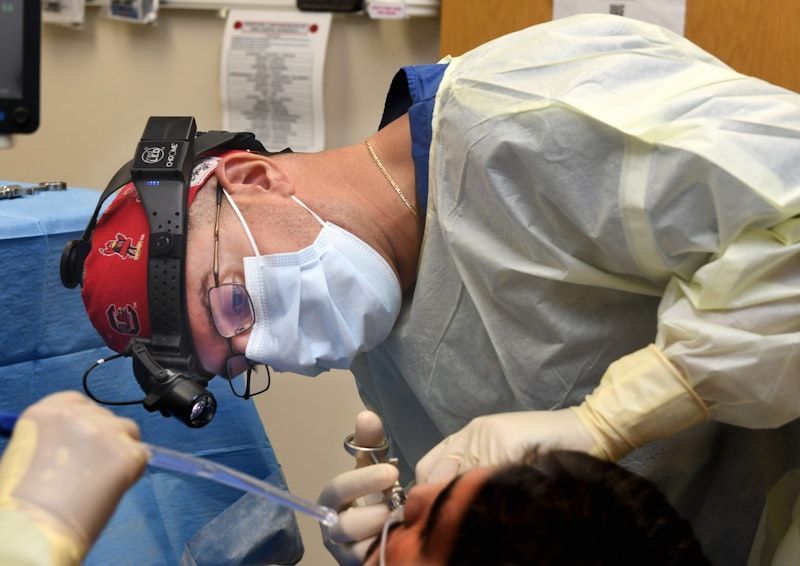
On arrival, your first in-person appointment usually includes a comprehensive exam and final imaging. Implant placement is often done under local anesthesia with sedation options available. Many patients return to their hotel the same day. Where appropriate, clinics may provide temporary crowns or bridges so you won’t be without teeth during healing.
Step 3: Healing, Follow-up, and Final Restorations
Osseointegration (bone fusion with the implant) typically takes 3–6 months, though some clinics offer immediate-load implants or accelerated protocols depending on bone quality. Once healed, you’ll return for the prosthetic phase—digital impressions, custom crowns or veneers, and final adjustments. Clinics are accustomed to coordinating timing so you can combine required visits with sightseeing and relaxation.
Cuenca as a Recovery Destination: Where Healing Meets Beauty
Recovery is an overlooked part of dental care—and Cuenca excels here. The city’s spring-like climate, pedestrian-friendly historic center, and peaceful parks create a restful setting for post-op days. After implant surgery, low-stress walks in Parque Calderón, coffee at quiet plazas, and gentle excursions to nearby Andean scenery help you heal while enjoying yourself.
Naturally Calming Surroundings
Cuenca sits at roughly 2,560 meters (8,400 feet) above sea level, offering crisp, clean air, and mild temperatures that many find restorative. Nearby Cajas National Park provides dramatic lake-and-moorland scenery if you’re medically cleared for light day trips. Small artisan towns like Gualaceo and Chordeleg are short drives away and offer calm cultural experiences if you’re not up for strenuous activity.
Convenient Accommodations for Recovery
Cuenca has a wide range of accommodations geared to dental tourists: short-term furnished apartments, boutique hotels with kitchenettes, and hotels that will arrange airport transfers and quiet rooms close to clinics. Staying in the historic center (El Centro) or the neighborhood of San Sebastián places you within easy reach of clinics, restaurants, and pharmacies.
Practical Tips: How to Plan a Smooth Dental Trip to Cuenca
Planning is the difference between a relaxing dental vacation and a stressful experience. These practical tips will help you make smart choices.
- Vet clinics carefully: Ask for before-and-after photos, peer-reviewed credentials, and references from international patients.
- Request CBCT-based treatment planning and a clear written estimate with timelines and possible additional costs.
- Confirm the implant brand and surgical technique. Reputable brands and documented protocols are a confidence booster.
- Check language options: Many clinics have bilingual coordinators in English and Spanish to guide you through logistics.
- Plan recovery time: For a single implant, 3–7 days may suffice; for multiple implants or full-arch work, plan 10–14 days plus a later return for prosthetic work or remote follow-up.
- Bring medical records and a medication list. Also bring any dental x-rays you already have to speed the diagnostic process.
- Understand the warranty and follow-up policy. Ask how the clinic handles complications and what the plan is if you’re back home when an issue arises.
Cost Examples and Value Comparison
Exact prices vary by clinic, materials used, and complexity, but the following ballpark comparisons illustrate the savings and value you can expect:
- Single dental implant (fixture + abutment + crown): U.S./Canada $3,000–$6,000 vs. Cuenca $900–$1,500
- Porcelain crown: U.S./Canada $1,200–$1,800 vs. Cuenca $250–$450
- Porcelain veneers (per tooth): U.S./Canada $900–$2,500 vs. Cuenca $200–$400
- All-on-4 full-arch restoration: U.S./Canada $25,000–$50,000 vs. Cuenca $8,000–$15,000
Those savings allow you to pay for high-quality work and also enjoy luxury accommodations, guided local tours, and extra recovery time—making the total experience more restorative than a standard clinic visit at home.
Safety, Standards, and What to Expect Clinically
Cuenca’s private clinics adhere to strict sterilization protocols similar to those in North America and Europe. Many are accredited with local health authorities and maintain international standards for infection control. Dentists are required to be licensed through Ecuador’s Colegio Odontológico, and clinics commonly share sterilization photos, facility tours, and staff credentials on request.
Insurance and Payment Options
Most U.S. or Canadian dental insurance will not cover work performed abroad, though some insurers offer partial reimbursements. Clinics generally accept major credit cards, bank transfers, and cash. Many clinics provide detailed invoices and documentation to help you claim any eligible reimbursements with your insurer back home.
Combining Treatment with Local Culture and Leisure
What makes dental tourism in Cuenca especially attractive is the chance to combine treatment with a meaningful travel experience. You can stroll through the colonial core, visit the Catedral Nueva and its blue domes, browse artisan silver and textile shops in Chordeleg, sample Ecuadorian chocolate in local cafés, and enjoy the calm rhythms of a UNESCO city—all while following a manageable recovery routine.
Low-Stress Activities During Recovery
After surgery, prioritize low-impact activities: light walks in Parque Calderón, classical music nights, visiting museums such as Museo Pumapungo, or relaxed river walks along Tomebamba. These gentle experiences support recovery without compromising healing.
Follow-Up and Long-Term Care
Good clinics offer remote follow-up care: photos, video calls, and guidance for home care and any necessary adjustments. Many provide long-term warranties on prosthetics and clear instructions for maintenance. If you move forward with a multi-stage plan, coordinate follow-up schedules so restorations are completed seamlessly.
Final Checklist Before You Book
- Confirm clinic credentials, implant systems, and sterilization protocols.
- Request a clear written treatment plan, timeline, and total cost estimate.
- Arrange travel and at least 3–14 recovery days in Cuenca depending on your procedure.
- Book accommodation near the clinic and ensure comfortable, quiet lodging options.
- Prepare documents: passport, medication list, any x-rays, and medical history.
- Discuss sedation and pain management options with the dentist ahead of time.
Conclusion: Exceptional Value and an Exceptional Place to Heal
Cuenca, Ecuador blends medical excellence with an environment uniquely suited to healing and relaxation. With 60–70% cost savings, world-class-trained providers, modern technology, short wait times, and a beautiful colonial city for recovery and leisure, Cuenca stands out as one of the best places in the world for dental implants, crowns, and veneers. If you want top-tier dental care without the astronomical price tag — and a chance to recover amid stunning Andean culture and scenery — Cuenca is a destination worth serious consideration.
Next Steps
Start by requesting online consultations from reputable Cuenca clinics, compare treatment plans and warranties, and plan a travel window that gives you enough recovery time to enjoy the city while your smile is being transformed. With careful planning, your dental procedure becomes not only a smart financial decision but also a refreshing personal retreat.
Adam Elliot Altholtz serves as the Administrator & Patient Coordinator of the “Smilehealth Ecuador Dental Clinic“, along with his fellow Expats’ beloved ‘Dr. No Pain‘, right here in Cuenca, Ecuador, and for purposes of discussing all your Dental needs and questions, is available virtually 24/7 on all 365 days of the year, including holidays. Adam proudly responds to ALL Expat patients from at least 7:00am to 9:00pm Ecuador time, again every single day of the year (and once more even on holidays), when you write to him by email at info@smilehealthecuador.com and also by inquiry submitted on the Dental Clinic’s fully detailed website of www.smilehealthecuador.com for you to visit any time, by day or night. Plus, you can reach Adam directly by WhatsApp at +593 98 392 9606 -or by his US phone number of 1‐(941)‐227‐0114, and the Dental Clinic’s Ecuador phone number for local Expats residing in Cuenca is 07‐410‐8745. ALWAYS, you will receive your full Dental Service in English (NEVER in Spanish), per you as an Expat either living in or desiring to visit Cuenca by your Dental Vacation, plus also to enjoy all of Ecuador’s wonders that are just waiting for you to come arouse and delight your senses.