
Table of Contents
Why choose Cuenca for dental implants and a vacation?
If you’re planning major dental work like implants, crowns, or veneers, Cuenca, Ecuador should be at the top of your list. This compact Andean city offers dramatic cost savings—commonly 60–70% less than prices in the United States and Canada—alongside highly trained dentists, modern clinics with cutting‑edge technology, and a peaceful, restorative environment that makes recovery feel like a holiday.
Cost savings you can’t ignore
One of the most compelling reasons people travel to Cuenca for dental care is the price. A full implant procedure that can cost $3,500–$6,000 in the U.S. or Canada often runs 60–70% less in Cuenca. That means comparable treatment for roughly $1,000–$1,800 depending on the implant system and materials. Crowns and veneers show similar savings: a crown priced at $1,000–$1,500 at home may be $300–$500 in Cuenca, and veneers can be reduced to a fraction of the North American cost.
Those savings let you upgrade materials, add cosmetic procedures, or simply bank the difference and still enjoy a comfortable recovery stay in a charming city. Clinics in Cuenca are transparent about fees and typically provide detailed, itemized quotes so you can compare apples to apples.
World-class training and modern clinical standards
Don’t mistake lower cost for lower quality. Many Cuenca dentists trained at Ecuadorian universities and completed advanced residencies or specialty programs—often including training abroad or continuous education with international organizations. Practices emphasize sterilization, evidence-based protocols, and use internationally recognized implant systems.
Modern clinics in Cuenca routinely employ advanced diagnostics like CBCT (3D cone beam CT), intraoral digital scanners, guided implant surgery, and CAD/CAM labs for same-week crowns. These tools enable precise planning, predictable results, and comfortable patient experiences. Many clinics also offer sedation dentistry and IV sedation for anxious patients—services comparable to what you’d find in North America or Europe.
The recovery environment: mild climate, beautiful streets, and calm
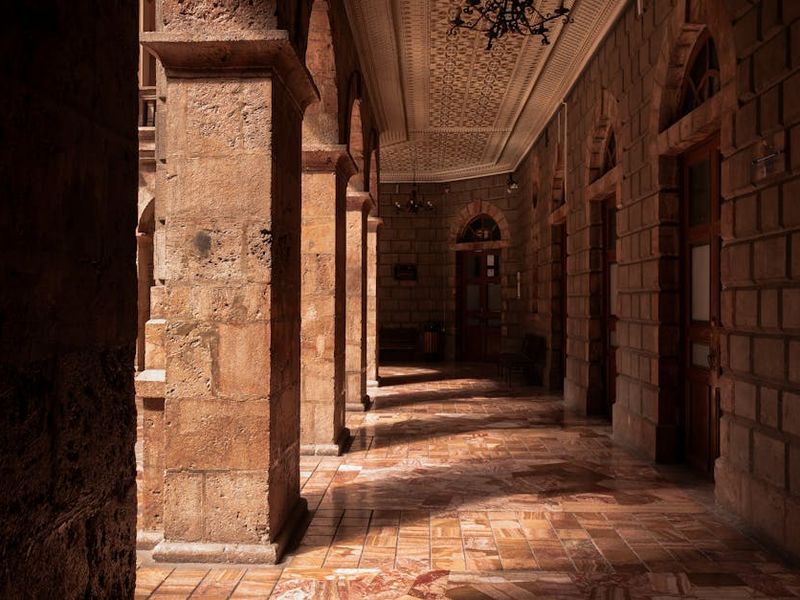
Cuenca’s spring-like climate, tree-lined rivers, and historic center are an ideal setting for recuperation. The city sits at about 2,560 meters (roughly 8,400 feet) above sea level, offering cool, dry days and crisp nights that most patients find pleasant after procedures. Strolling through the UNESCO-listed historic district, sipping coffee beside the Tomebamba River, or relaxing in a boutique hotel garden all contribute to a low-stress recovery.
For those who prefer quiet outdoor time, nearby Cajas National Park provides gentle day trips to see highland lakes and dramatic Andean landscapes. The combination of urban convenience and easy access to nature turns postoperative downtime into restorative leisure.
Short wait times and personalized, one-on-one care
Compared with long public clinic waits or heavily booked specialists at home, Cuenca clinics often provide fast scheduling and attentive, one-on-one appointments. Many dental practices in the city are private, boutique-style operations focused on individualized care rather than high-volume turnover. That means longer consults, thorough treatment planning, and a consistent point of contact throughout your treatment.
Many clinics also offer telehealth consultations before you travel, so you’ll arrive with a clear plan and timeline. That level of personal attention reduces surprises, shortens chair time, and eases the entire experience for international patients.
How to plan your dental vacation: a practical timeline
Every patient and procedure is different, but here are practical planning options to fit common implant scenarios:
- Traditional implant (staged approach): Consultation and imaging on day 1, implant placement on day 2, return home for healing (3–6 months), then a follow-up trip for abutment and crown. Cuenca makes the initial surgical visit easy and affordable, and many patients schedule their final prosthetic visit months later when travel is convenient.
- Immediate-load implants / All‑on‑4: Some clinics offer same‑day or immediate provisional restorations. These require more coordination but can often be done in 7–10 days—ideal if you want minimal return travel.
- Multiple crowns or veneers: Two to three visits in 1–2 weeks are typical when using digital workflows and in-house milling labs.
Tip: Ask your chosen clinic about whether they offer temporary restorations to wear home and what the timeline for final work will be. Many practices will coordinate with your schedule to minimize the number of trips.
Book smart: travel, accommodations, and local logistics
Most international travelers fly into Quito or Guayaquil and take a short domestic flight, or connect through Cuenca’s small airport. Plan for at least a couple of extra days on either side of your procedure to acclimatize and troubleshoot any logistics. Ideally, choose lodging near the historic center (Parque Calderón) or close to your dental clinic to minimize travel stress after surgery.
Cuenca has a range of accommodation options—from comfortable boutique hotels and serviced apartments to Airbnb rentals. Look for places with good Wi‑Fi and easy access to pharmacies and grocery stores. Many clinics will recommend nearby hotels and can help arrange transportation between the airport, hotel, and clinic.
What to bring and prepare before you leave
To streamline your visit, compile medical records, recent dental X-rays, and a list of current medications. Request a virtual consultation with your Cuenca dentist before booking travel—this will let them assess whether your case is suitable for treatment and create an accurate estimate.
Bring a small recovery kit: soft foods, over-the-counter pain relief recommended by your dentist, a soft-bristled toothbrush, chlorhexidine rinse if advised, and a cold pack for swelling. Spanish is widely spoken in Cuenca; many dentists speak English, but bringing printed translations or using a translation app can help with detailed instructions.
Choosing the right clinic: questions to ask
Not all clinics are equal. Use these questions to vet your options:
- Do you use 3D CBCT scans and digital treatment planning?
- Which implant systems do you use, and are they internationally recognized?
- Can you show before/after photos for cases like mine and provide patient testimonials?
- Is sedation available and what are the credentials of the anesthesia provider?
- What are the warranty and follow-up policies for implants and prosthetics?
- How will aftercare be handled if I return home—remote follow-up, emergency contacts?
Look for clinics willing to provide itemized treatment plans, scans, and a clear timeline. Reputable practices will gladly discuss materials, lab partnerships, and expected longevity of restorations.
Combining recovery with sightseeing: low-impact activities
Cuenca encourages gentle exploration. During the first days after surgery, choose low-impact activities: leisurely walks along the Tomebamba River, museum visits (Museo Pumapungo, Museo del Sombrero), or relaxed café afternoons in the historic district. After a few days you can expand to easy day trips—Cajas National Park for scenic drives and short hikes, or artisan markets for shopping.
The city’s culinary scene is excellent for soft-food options—hearty soups, pureed vegetables, and fresh fish are widely available—making it straightforward to follow a soft-food postoperative diet while enjoying local flavors.
Safety, quality control, and remote follow-up
Safety standards in Cuenca clinics typically match international expectations. Sterile, private operating suites, digital records, and certified sterilization equipment are common. Request details about infection control protocols and how the clinic handles complications. Many practices now provide remote follow-up via video calls and will keep in touch until you return home, which gives peace of mind and continuity of care.
If you plan to travel shortly after a procedure, confirm the clinic’s emergency policies, local pharmacy locations, and how to contact them from abroad.
Financing, warranties, and paperwork
Because most North American dental insurance does not cover overseas care, clinics often provide clear, upfront pricing and payment options—credit cards, bank transfers, or in-house financing. Ask for a written contract that lists the scope of work, materials used, warranty terms, and follow-up schedule. Good clinics include photographic records and digital files you can take to your regular dentist for continuity.
Why Cuenca beats other popular dental tourism destinations
Other dental tourism hubs—Mexico, Costa Rica, Thailand—are known for affordability, but Cuenca stands out because of its combination of high-quality clinical care, serious professional training among dentists, lower wait times, and a restorative, safe city that makes recovery enjoyable. The city’s walkability, cultural richness, and stable expat community add non-clinical value that makes your investment feel like a vacation, not just a medical trip.
Checklist for a stress-free dental vacation in Cuenca
- Obtain a virtual consultation and a detailed written treatment plan.
- Confirm implant brand, materials, and warranty.
- Book flights with a couple of buffer days before and after procedures.
- Reserve accommodation near your clinic and essential services.
- Pack a recovery kit and soft-food list tailored to local cuisine.
- Arrange remote follow-up and understand emergency procedures.
- Keep copies of all records and ask for digital files to bring home.
Final thoughts: incredible value and an unforgettable trip
Choosing Cuenca for dental implants, crowns, or veneers offers a rare combination: considerable cost savings (often 60–70% compared to North America), highly trained clinicians using modern technology, short wait times, and a genuinely beautiful recovery setting. The city’s friendly atmosphere, excellent food scene, and easy access to nature make recuperation relaxing and even enjoyable.
With careful planning—teleconsultations, transparent treatment plans, and realistic timelines—you can achieve world-class dental results and turn necessary medical care into a restorative vacation. If you want top-quality implants without the typical price tag, Cuenca may be the best destination in the world for your dental vacation.