
Table of Contents
Cuenca: The dental tourism capital you didn’t know you needed
If you’re researching dental implants, crowns, or veneers and balking at sky-high North American prices, Cuenca, Ecuador deserves a top spot on your list. This charming Andean city blends exceptional dental expertise with modern clinics, dramatic savings (often 60–70% compared to the US and Canada), and a mellow recovery environment that turns dental work into an affordable dental vacation.
Why patients save so much in Cuenca
One of the biggest draws for international patients is cost. While prices vary, the typical savings are striking: a single dental implant that can run $3,000–$6,000 in the United States often costs $800–$1,800 in Cuenca. Crowns that might be $1,000–$1,800 in North America frequently run $250–$500 here. Veneers that would cost $1,000–$2,500 per tooth in the US or Canada commonly cost $200–$600 in Cuenca. Those ranges translate to average savings of 60–70%—money many visitors reinvest in higher-quality materials, additional cosmetic work, or an extended Ecuadorian vacation.
World-class dentists educated and trained for international patients
Cuenca’s dental community is highly skilled. Dentists here graduate from respected schools in Ecuador and across Latin America, and many pursue advanced training, fellowships, or continuing education in the United States, Europe, and other global centers. The result is clinicians who combine solid academic training with modern techniques—implantology, cosmetic dentistry, and full-mouth rehabilitation are among the specialties offered.
English-friendly, personalized care
Many clinics cater specifically to international patients, with English-speaking staff and personalized one-on-one care. Unlike large, impersonal chains, many Cuenca practices prioritize patient communication: thorough consultations, clear written treatment plans, and attentive follow-up. Patients consistently report a warmer, more personal experience than what they might find in a busy North American city.
State-of-the-art clinics and modern technology
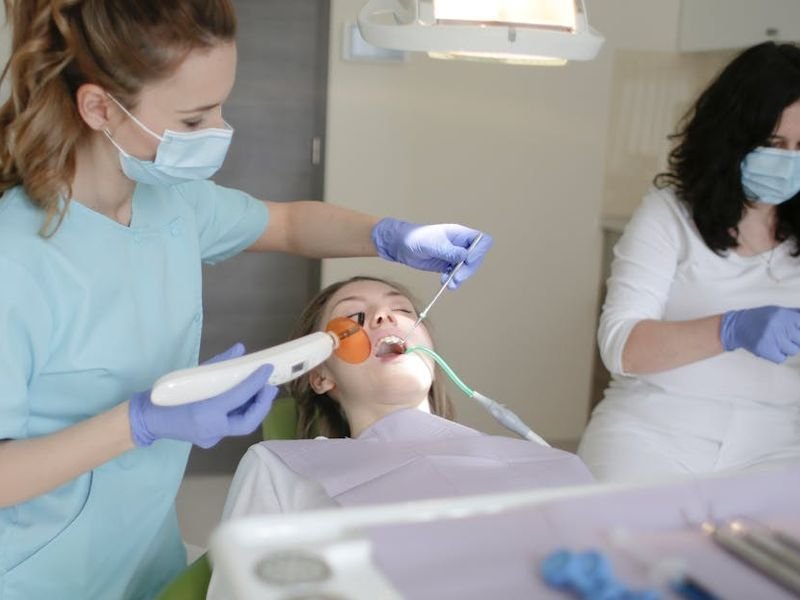
Don’t assume lower cost means outdated facilities. Clinics in Cuenca use digital X-rays, cone beam CT (CBCT) scans for precise implant planning, intraoral scanners, CAD/CAM milling for same-day crowns, and 3D printing for surgical guides and provisional teeth. Sterilization protocols match international standards, and many clinics offer sedation options and on-site labs to speed turnaround times.
Why technology matters for your results
Digital planning reduces risks and improves predictability. CBCT imaging helps dentists map bone density and nerve positions before placing implants. Intraoral scanning and CAD/CAM technology can produce high-quality crowns and veneers in fewer visits, which is ideal for dental travelers who want to minimize time away from home.
A recovery environment that accelerates healing—and relaxation
Cuenca’s mild, spring-like climate (elevation about 2,560 meters / 8,400 feet) and picturesque colonial center create a soothing setting for recovery. After implant surgery or a multi-tooth procedure, you can relax in a quiet Airbnb near Parque Calderón, enjoy gentle walks through its cobblestone streets, or take short, restorative day trips to Cajas National Park. The city’s calm rhythm makes it easy to prioritize healing while still enjoying a rich cultural experience.
Tips for a comfortable recovery in Cuenca
- Book lodging in El Centro or San Sebastián for easy access to clinics and gentle walking routes.
- Choose an apartment or hotel with a kitchenette—soft foods are often recommended after surgery.
- Plan low-key activities: museum visits, coffee shops near Parque Calderón, and scenic drives to nearby viewpoints like Turi.
- Account for elevation: if you have cardiovascular or respiratory concerns, discuss them with your physician and dentist before travel.
Combine care with culture: dental vacation itineraries that work
A dental vacation doesn’t mean you must be confined to a clinic. Many patients structure trips to include consultation, procedure(s), and recovery, leaving time afterward to explore. Here’s a common approach:
- Day 1–2: Arrive, rest, initial consultation and imaging. Meet the dentist, review the treatment plan, sign consent forms.
- Day 3–4: Procedure day(s) — implants placed or teeth prepared for crowns/veneers. Immediate post-op instructions provided.
- Day 5–10: Short recovery in Cuenca—gentle walking, local cuisine that’s easy on the mouth (soups, purees), and follow-up check.
- Return visit: For implants, many clinics plan a second appointment 3–6 months later for final crowns; some offer immediate-load implants or All-on-4 solutions that reduce the number of trips.
Short wait times and flexible scheduling
One of the most practical advantages of Cuenca is speed. Unlike major treatment hubs where appointments can be weeks or months out, many Cuenca clinics offer rapid scheduling—even for major procedures. That responsiveness matters when you want to coordinate travel plans and minimize time away from work or family.
How to choose the right clinic in Cuenca
Not all clinics are created equal. Use this checklist when you research options:
- Ask for before-and-after photos of cases similar to yours.
- Request a detailed written treatment plan and cost estimate, including materials and potential additional fees.
- Confirm the dentist’s education and any advanced training or specialties related to implants, prosthetics, or cosmetic dentistry.
- Inquire about brands of implants and materials—high-quality systems like Straumann, Nobel, and other reputable manufacturers are commonly used.
- Check clinic hygiene protocols, imaging equipment, and whether they use digital planning tools.
- Read patient reviews and ask if the clinic can provide references from international patients.
Financial transparency and payment tips
Most clinics in Cuenca are transparent about costs—but always get estimates in writing. Ecuador uses the US dollar, so international patients often find billing straightforward. Common payment options include bank transfers, credit cards, and sometimes cash. Ask about deposits, cancellation policies, and warranties for restorative work (crowns and implants often come with guarantees and follow-up care).
Safety, legalities, and aftercare
Cuenca’s clinics adhere to modern sterilization and patient safety standards. For peace of mind:
- Verify that the dentist is licensed in Ecuador and ask about their malpractice or professional liability coverage.
- Confirm post-op care plans and how emergencies are handled outside of normal hours. Many clinics provide emergency contact numbers and coordinate with local hospitals if needed.
- Consider travel insurance that covers medical procedures performed abroad—or a specialized dental tourism policy.
Practical travel information
Cuenca is served by Mariscal La Mar Airport (CUE) with direct flights from Quito (UIO) and Guayaquil (GYE); international connections are readily available via those hubs. The city’s historic center is compact and walkable—ideal for gentle mobility after dental work. Spanish is the predominant language, though many clinics and hospitality businesses cater to English speakers. Bring copies of any dental records and imaging from your home dentist to speed up the consultation process.
Real patient value: more than just a cheap price tag
Choosing Cuenca isn’t only about saving money. The compelling combination of experienced dentists, modern technology, quick scheduling, and a peaceful place to recover elevates the overall value. For many patients, the savings pay for higher-grade materials, extended cosmetic work, or multiple procedures in one trip—delivering results they would otherwise find cost-prohibitive at home.
Sample patient experiences
– A retiree from Canada combined full-arch implant work with three weeks exploring Cuenca’s markets and museums, achieving a complete smile restoration for less than half the price they were quoted at home.
– A business traveler from the US used an intraoral scan shared electronically ahead of arrival; the clinic milled same-day provisional crowns, allowing a minimal two-day stay for crown preparation and placement.
– A couple scheduled veneers and whitening at different times during a two-week trip, balancing procedures with sightseeing in Cajas National Park and day trips to local towns.
Final checklist before you book
- Obtain a written treatment plan and cost estimate.
- Confirm clinic technology, implant brands, and materials.
- Check language availability and emergency contact procedures.
- Plan accommodations that support recovery (kitchen, quiet streets, proximity to clinic).
- Arrange for aftercare and a follow-up plan—either local or remote—once you return home.
Conclusion: Cuenca turns dental care into a smart, restorative journey
For patients seeking implants, crowns, or veneers, Cuenca offers a rare combination: dramatic cost savings (often 60–70%), dentists trained and updated in modern techniques, clinics equipped with advanced technology, and a tranquil city that supports recovery and leisure. If you’re weighing the pros and cons of dental tourism, Cuenca’s blend of value, quality, and charm makes it an exceptional option for turning necessary dental care into an affordable, restorative travel experience.
Ready to explore options? Start with a virtual consultation, compare written treatment plans, and build a travel itinerary that balances care and relaxation—your new smile might just come with a memorable Ecuadorian vacation.