
Table of Contents
Introduction: Dental Care Meets Vacation in Cuenca
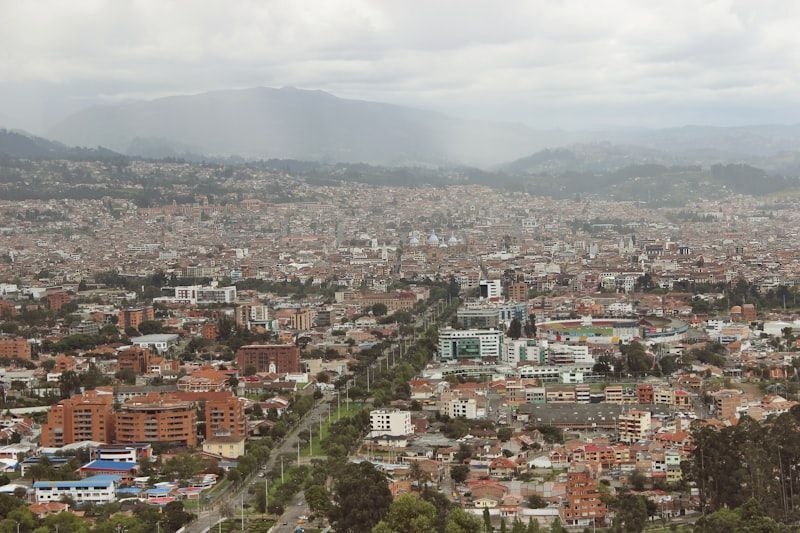
If you’re planning dental implants, crowns or veneers, Cuenca, Ecuador is more than a budget-friendly option — it’s an experience. This colonial city in the southern Andes pairs internationally trained dentists and cutting-edge clinics with a mellow climate, stunning scenery, and an excellent expat and medical tourism infrastructure. Many patients save 60–70% compared to the US and Canada while receiving personalized one-on-one care and enjoying a beautiful recovery environment. Here’s a practical guide to planning a stress-free dental vacation in Cuenca.
Why Cuenca Is One of the Best Places on Earth for Dental Tourism
Cuenca’s appeal as a dental destination rests on several pillars: affordability, clinical quality, modern technology, short wait times, and a city that helps you heal. Ecuador uses the US dollar, which simplifies payments. Top clinics are staffed by dentists trained at respected universities and often include prosthodontists, endodontists and oral surgeons on site. Many clinics boast digital imaging, 3D CBCT scanners, guided implant surgery, CAD/CAM milling and same-day crown technologies like CEREC.
What ties the whole package together is cost. A single dental implant in the United States or Canada can range from $3,000 to $6,000 when you add the implant, abutment and crown. In Cuenca, comprehensive implant procedures frequently cost 60–70% less—often in the $800–$2,000 range—delivering incredible value without sacrificing quality. Those savings make treatment options like multiple implants, full-arch restorations and premium ceramic crowns much more affordable.
World-Class Dentists and Modern Clinics
Many Cuenca dentists train at top universities in Ecuador and abroad, and keep up with continuing education through international conferences and American/European dental organizations. Clinics typically feature strict sterilization protocols and modern equipment: digital X-rays, intraoral scanners, 3D printing, and in-house labs. That means streamlined workflows—digital impressions, precise surgical guides, and faster turnaround for prosthetics—so you spend less time waiting and more time recovering.
Ask clinics about the brands they use for implants (reputable names like Nobel Biocare, Straumann or equivalent), whether they perform CBCT (3D) imaging, and whether prosthetic work is done in an on-site lab. These details indicate the level of precision you can expect.
Short Wait Times and Personalized Care
In contrast to long waiting lists at many home-country practices, Cuenca clinics often schedule consultations and procedures within days or weeks. That faster timetable is especially valuable if you’re combining dental work with limited vacation time. Another advantage is the personalized, one-on-one patient care: many clinics provide treatment coordinators who manage each step—from initial consult and digital planning to post-op checks—so your experience feels individualized and organized.
Multilingual staff are common, and many dentists are comfortable communicating in English. Clinics frequently offer warranties or documented follow-up protocols and will coordinate remote care once you return home.
Planning Your Dental Vacation: A Practical Timeline
Timing depends on the complexity of the procedures. Here are example itineraries tailored to common implant treatments:
- Single implant with delayed crown: 7–10 days. First visit: consultation, imaging and implant placement. Stay several days for initial checks and sutures removal. Return in 3–4 months for the abutment and final crown, or have local dentist in your home country finish the prosthetic.
- Implant with immediate provisional crown: 10–14 days. Some clinics offer immediate loading if bone quality allows—implant placement + temporary crown during the same visit—followed by a final crown once integration is complete.
- Multiple implants or All-on-4/All-on-6: 10–21 days. Full-arch solutions are more complex but are commonly performed with a staged plan: surgical placement and an immediate provisional prosthesis, then final restoration after healing.
Discuss timelines with your chosen clinic. If you prefer minimal travel, ask about provisional restorations and whether your local dentist can handle final prosthetics.
Where to Stay and Recover: Cuenca’s Healing Environment
Recovery is part of the attraction. Cuenca’s mild climate (year-round temperate weather) and scenic historic center make it ideal for low-stress convalescence. Stay in a quiet hotel or boutique guesthouse near Parque Calderón or the Tomebamba riverside for easy walkable access to clinics, pharmacies and restaurants. Many patients favor neighborhoods like El Centro or San Sebastián for proximity to both clinics and cultural attractions.
After surgery, plan gentle activities—river walks, relaxed café visits, museum trips, or a short drive to Mirador de Turi—to support healing without strain. Avoid strenuous hiking or high-exertion excursions for at least 48–72 hours after implant surgery to reduce swelling and promote recovery. Hydrate well and follow your dentist’s post-op instructions closely.
Combining Dental Work with Cuenca’s Sights and Experiences
A dental vacation should balance treatment days with restorative leisure. Cuenca’s UNESCO-listed historic center is full of cobblestone streets, colonial architecture, and bakeries perfect for easy meals. Consider scheduling a couple of light sightseeing days between procedures:
- Stroll around Parque Calderón and visit the New Cathedral for peaceful afternoons.
- Explore Museo Pumapungo to learn about local history and cultures.
- Take short excursions to Cajas National Park for birding and gentle walks—its lagoons and highland scenery are restorative and accessible.
- Enjoy low-key culinary experiences—Cuenca’s cafés and markets are ideal for soft, nourishing foods during recovery.
Plan more active adventures like multi-hour hikes or long drives for after you’ve cleared healing milestones.
Choosing the Right Clinic: Questions to Ask
To ensure quality and safety, vet clinics with these practical questions:
- What are the dentists’ qualifications and continuing education credentials?
- Do you use CBCT 3D imaging and guided implant planning?
- Which implant brands do you use, and do you provide warranties?
- Is there an on-site lab or full digital workflow for crowns and veneers?
- How many surgeries and implant cases do you perform monthly?
- What sedation options are offered (local, oral sedation, IV) and who administers them?
- Do you provide written treatment plans, pre-op instructions, and clear post-op protocols?
- Can you share before/after photos and patient testimonials?
Reliable clinics will provide transparent answers and documentation. Many also include a patient coordinator who helps with travel logistics, local hotel recommendations and follow-up scheduling.
Budgeting: Real-World Cost Comparisons
Cost is a primary driver for dental tourism—and Cuenca delivers substantial savings. Typical price comparisons:
- Single implant (implant + abutment + crown): US/Canada $3,000–$6,000; Cuenca typically 60–70% less.
- Ceramic crown: US/Canada $800–$1,800; Cuenca often a fraction of that price with similar materials and digital fabrication.
- Porcelain veneers: US/Canada $900–$2,500 per tooth; in Cuenca savings commonly range 50–70%.
These savings make it realistic to upgrade materials or add extra procedures—more value for your investment. Remember to factor in flights, accommodation, meals and a contingency budget for extra visits.
Health, Safety and Aftercare
Safety standards at leading Cuenca clinics are high: autoclave sterilization, single-use disposables, and strict infection-control protocols are standard practice. Confirm your clinic’s hygiene procedures and sedation protocols ahead of time. If you have chronic conditions, ask for a medical clearance from your personal physician prior to travel.
Aftercare is essential. Most clinics provide a clear medication plan (antibiotics, analgesics), written care instructions, sutures removal and follow-up appointments. Many clinics also offer remote consultations after you return home, and will coordinate with your local dentist for long-term maintenance if necessary.
Logistics: Flights, Airport, and Getting Around
Cuenca’s Mariscal Lamar International Airport (CUE) services domestic flights and connections. International travelers commonly fly into Quito (UIO) or Guayaquil (GYE) and take a short domestic flight to Cuenca, or choose an overland bus or private transfer. The city is compact and easy to navigate by taxi, rideshare or on foot—clinics are concentrated in the central districts, making short commutes convenient during recovery.
Because Ecuador uses the US dollar, handling payments is straightforward. Bring copies of medical records, recent dental x-rays and a list of medications to streamline your consultation.
Tips for a Smooth Dental Vacation Experience
- Book an initial teleconsultation: Many clinics offer video calls and digital planning before you arrive, which saves time and clarifies expectations.
- Plan accommodations near your clinic to reduce travel stress post-op.
- Pack comfortable clothing, a travel pillow, and soft foods for the first few days after surgery.
- Schedule light activities and build in at least a couple of recovery days between procedures.
- Confirm follow-up and warranty details in writing, and ensure your clinic provides an emergency contact number.
- Coordinate with your local dentist for maintenance or final prosthetic work if needed.
Real Value: Why Patients Keep Choosing Cuenca
People pick Cuenca for dental implants not just because it’s cheaper — it’s because the city offers a complete package. Internationally trained dentists, advanced clinics, a calm environment for healing, and the ability to combine treatment with travel create an attractive, efficient alternative to expensive, slow domestic options. The 60–70% savings on major procedures like implants can mean the difference between putting off treatment and getting a life-changing smile.
With quick access to appointments, modern clinical workflows, and a supportive local network for medical tourists, Cuenca stands out as a top choice for dental vacations. If you’re ready to pursue implants, crowns or veneers, Cuenca offers a smart blend of clinical excellence and restorative downtime that few other destinations can match.
Next Steps: Research, Reach Out, and Book Confidently
Begin with targeted research: read verified patient reviews, request detailed treatment plans, and arrange virtual consultations. Compare quotes and ask for itemized pricing so you understand what’s included—implant brand, prosthetic type, lab fees and follow-ups. When you find a clinic that answers your questions clearly and provides transparent protocols, you can book travel with confidence.
Cuenca is ready to welcome dental tourists with world-class care, significant cost savings and the kind of restful, culturally rich environment that makes dental rehabilitation both effective and enjoyable. Plan carefully, communicate openly with your dentist, and you’ll return home with a beautiful smile and great memories from an unforgettable dental vacation.