
Table of Contents
Introduction: Dental Tourism Meets Retirement Bliss
For retirees looking to get high-quality dental implants, crowns, or veneers without the sky-high price tag at home, Cuenca, Ecuador, has become a top global choice. Dental tourism in Cuenca combines dramatic cost savings, highly trained clinicians, modern technology, and a recovery environment many patients describe as restorative for both smile and spirit. This guide explains why Cuenca consistently tops retirees’ lists and offers practical steps to plan a comfortable, effective dental vacation.
Why Retirees Choose Cuenca for Dental Care
There are several core reasons retirees favor Cuenca for dental procedures. Put simply: the savings are enormous, the professionals are well-trained, clinics are modern and hygienic, wait times are short, and the city provides an ideal backdrop for recuperation. For many older patients, getting dental work done in Cuenca is not just an economic choice — it’s a chance for high-value medical care paired with a relaxed travel experience.
Massive Cost Savings — 60–70% Less Than North America
Cost is the headline reason. Retirees frequently report saving 60–70% compared to prices in the U.S. and Canada. To put that into perspective, a full dental implant procedure that might cost you several thousand dollars at home can often be completed in Cuenca for a fraction of the price. Crowns and veneers also come at a much lower cost, allowing retirees to restore multiple teeth or choose higher-end materials while staying within a comfortable budget.
World-Class Training and International Standards
Cuenca’s dentists frequently train at respected dental schools in Ecuador, across Latin America, and many complete advanced residencies or continuing education in the United States and Europe. This mix of local expertise and international training, combined with certifications and participation in professional societies, means you are likely to find prosthodontists, implant specialists, and cosmetic dentists who adhere to modern protocols and evidence-based care.
Modern Clinics and Cutting-Edge Technology
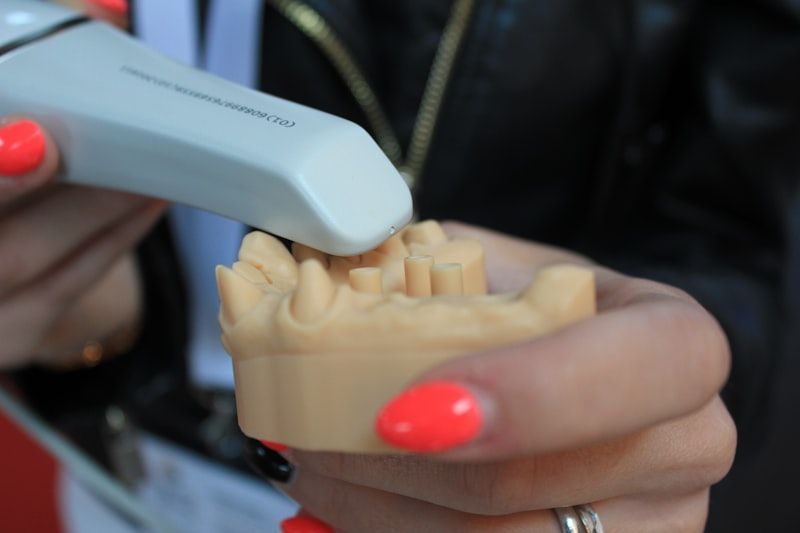
Clinics in Cuenca have invested in digital dentistry: CBCT imaging, digital intraoral scanners, CAD/CAM milling for same-day crowns, and sterilization systems that meet international standards. Many facilities offer one-on-one consultations with specialists, private recovery rooms, and partnerships with local labs that fabricate high-quality prosthetics. The result is faster treatment planning, better-fitting restorations, and predictable outcomes.
Short Wait Times and Flexible Scheduling
One frustration retirees face at home is long wait lists for specialists. In Cuenca, many clinics schedule international patients quickly. You can often secure initial consultations, imaging, and treatment dates within days to weeks — not months. This speed is valuable for retirees who want to consolidate dental work into a single trip and then enjoy the city while recovering.
Personalized, One-on-One Care
Retirees value personalized care. In Cuenca, dental practices often emphasize strong patient relationships: detailed treatment planning sessions, direct communication with the treating dentist, and follow-up calls after procedures. Clinics commonly assign a coordinator or bilingual staff member to manage appointments, medications, and logistics so that non-Spanish speakers feel supported at every step.
Cuenca’s Recovery Environment: Mild Climate and Low Stress
Recovery matters — and Cuenca’s climate and lifestyle support it. At roughly 2,560 meters (about 8,400 feet) altitude, Cuenca enjoys cool, spring-like weather year-round, which many retirees find comfortable for healing. The city’s relaxed pace, scenic plazas, riverside walks along the Tomebamba River, and accessible parks make it easy to rest while gently staying active during recovery.
Attractions and Activities That Complement Healing
A dental vacation doesn’t mean you must stay bedridden. Retirees often pair dental treatments with low-impact activities that aid recovery and lift spirits: quiet strolls in the historic center (a UNESCO-designated area), birdwatching at nearby reserves, light hikes in Cajas National Park, or enjoying local cafés and markets. These options provide a restorative backdrop without putting stress on healing tissues.
Combining Procedures with a Vacation: How to Plan
Dental implants can require staged visits, while crowns and veneers often fit into shorter trips. Here are practical planning strategies for retirees:
- Initial visit (1–2 weeks): Consultations, imaging (CBCT), extractions if needed, and sometimes placement of implants or provisional crowns. Many clinics use digital planning to prepare prosthetics during this visit.
- Healing phase (2–4 months): While implants osseointegrate, retirees can return home or stay longer to enjoy Cuenca. If staying locally, choose quiet accommodations and avoid strenuous activities for the first weeks.
- Second visit (1 week): Final impressions, delivery of crowns or fixed prostheses, and adjustments.
- Teeth-in-a-Day options: Some clinics offer immediate-load or same-day implant restorations for suitable candidates — ask your dentist about candidacy, risks, and warranty options.
Working with a clinic coordinator helps synchronize lab timelines, travel, and follow-up visits so you maximize time in Cuenca and minimize stress.
Practical Tips for Retirees Considering Dental Tourism in Cuenca
Combining dental work with travel takes planning. Here are practical tips that retirees find helpful:
- Verify credentials: Request dentist CVs, specialty certifications, before-and-after photos, and patient testimonials. Look for clinics that welcome video calls for pre-trip consultations.
- Ask about technology: Confirm the clinic uses CBCT imaging, digital impressions, and modern sterilization. Digital workflows reduce chair time and improve accuracy.
- Get a written treatment plan and cost estimate: Include the number of visits, timelines, and any warranties or service guarantees.
- Consider travel insurance and medical evacuation: While complications are rare, good coverage provides peace of mind for retirees traveling abroad.
- Plan for altitude and medications: Cuenca’s altitude can affect some patients; plan an extra day or two on arrival to acclimate and stay hydrated. Bring copies of prescriptions and any regular medications in original packaging.
- Coordinate follow-up: Many clinics offer remote follow-up via video calls and can send digital records to your home dentist for continuity of care.
Costs and Value: What to Expect Financially
While exact prices vary by case complexity, material, and the provider, retirees regularly report total savings of 60–70% versus North America. That kind of difference can allow a retiree to replace multiple teeth, choose premium materials, or add cosmetic enhancements like veneers while staying well within budget. Remember to factor in airfare, lodging, and meals — even with those costs, the net savings usually remain substantial.
Examples of Typical Pricing Ranges (Illustrative)
As a practical illustration (your mileage will vary):
- Dental implants: many U.S. patients save dramatically — implants costing several thousand dollars at home may be available in Cuenca for a fraction of that price.
- Crowns: high-quality ceramic crowns often cost 60–70% less in Cuenca than in North America.
- Veneers: cosmetic veneers, especially when treating multiple teeth, are another procedure where retirees achieve excellent value in Cuenca.
Ask clinics for a detailed invoice that separates lab fees, implant costs, surgical fees, and prosthetic charges to compare apples to apples.
Where to Stay and How to Get Around
Cuenca offers a range of accommodations ideal for dental tourists. Many retirees prefer:
- Quiet apartments in the historic center — within walking distance of many clinics and restaurants.
- Small boutique hotels with private rooms and on-site staff who can assist with transportation and medication delivery.
- Longer-term rentals if you plan extended healing time in the city.
Getting around is easy: taxis are affordable and short rides from the airport to the center take about 10–20 minutes. Some clinics provide airport pick-up, and there are bilingual taxi apps and local drivers experienced in helping medical tourists. Cuenca’s compact layout means many areas are walkable — helpful for light exercise during recovery.
Safety, Language, and Practicalities for Retirees
Cuenca is known for being welcoming and relatively safe, with a strong expat community and many services geared to international retirees. Practical considerations include:
- Currency: Ecuador uses the U.S. dollar, which simplifies budgeting for many North American retirees.
- Language: Spanish is the primary language, but many dental clinics and hospitality staff are bilingual. Bringing a translation app or arranging a bilingual coordinator helps those who don’t speak Spanish.
- Medical services: Pharmacies are plentiful and many can fill prescriptions quickly. Clinics commonly have established referral relationships with local medical providers if needed.
- Visas and stays: Short tourist stays are straightforward for many nationalities; if you plan extended recovery, check Ecuador’s current visa policies and consider temporary residency options if relevant.
How to Choose the Right Clinic in Cuenca
Choosing the right clinic is the most important step. Retirees should look for practices that offer:
- Transparent pricing with written estimates
- Before-and-after galleries and verifiable patient references
- Clear communication about timelines and follow-up care
- In-house labs or trusted lab partners to control quality and speed
- Warranties or maintenance programs for implants and prostheses
Arrange video consultations before traveling. That conversation will reveal the dentist’s approach, the clinic’s organization, and whether they offer a personalized plan that suits your goals and health considerations.
Realistic Expectations and Aftercare
Dental work, especially implants, requires realistic expectations. Healing timelines vary by age, bone quality, and health conditions. Retirees should prioritize nutrition, hydration, and follow post-op instructions for oral hygiene. Many clinics provide clear aftercare kits and phone follow-up to ensure that recovery goes smoothly. If you have chronic health conditions or take blood thinners, discuss these in advance so the dental team can plan safely.
Conclusion: Exceptional Value, Exceptional Care
For retirees seeking dental implants, crowns, or veneers, Cuenca offers a compelling blend of affordability, skilled clinicians, modern clinics, and a restorative environment for recovery. The 60–70% cost savings free up opportunities to choose premium materials or treat multiple teeth, while short wait times and personalized attention reduce stress. When approached with good planning — credential checks, clear treatment plans, and sensible travel arrangements — dental tourism in Cuenca becomes not just a practical alternative but a transformative experience: top-tier dental care wrapped into a peaceful retirement getaway.
Next Steps for Retirees
Start with a few trusted clinics: request video consultations, compare written treatment plans, and ask about warranties and remote follow-up. Book a flexible itinerary that allows for acclimation and recovery days, and enjoy the chance to restore your smile in one of South America’s most charming and comfortable cities.
Adam Elliot Altholtz serves as the Administrator & Patient Coordinator of the “Smilehealth Ecuador Dental Clinic“, along with his fellow Expats’ beloved ‘Dr. No Pain‘, right here in Cuenca, Ecuador, and for purposes of discussing all your Dental needs and questions, is available virtually 24/7 on all 365 days of the year, including holidays. Adam proudly responds to ALL Expat patients from at least 7:00am to 9:00pm Ecuador time, again every single day of the year (and once more even on holidays), when you write to him by email at info@smilehealthecuador.com and also by inquiry submitted on the Dental Clinic’s fully detailed website of www.smilehealthecuador.com for you to visit any time, by day or night. Plus, you can reach Adam directly by WhatsApp at +593 98 392 9606 -or by his US phone number of 1‐(941)‐227‐0114, and the Dental Clinic’s Ecuador phone number for local Expats residing in Cuenca is 07‐410‐8745. ALWAYS, you will receive your full Dental Service in English (NEVER in Spanish), per you as an Expat either living in or desiring to visit Cuenca by your Dental Vacation, plus also to enjoy all of Ecuador’s wonders that are just waiting for you to come arouse and delight your senses.