
Table of Contents
Welcome to Cuenca: The Dental Tourism Capital for Canadians
If you’re a Canadian weighing the cost and wait time for major dental work, Cuenca, Ecuador deserves a top spot on your list. This highland colonial city blends exceptional dental care with an idyllic recovery setting, offering dramatic savings, modern clinics, and experienced clinicians—everything you need for a successful dental vacation. In this article you’ll find practical tips, realistic timelines, and reasons why Cuenca offers some of the best value on the planet for dental implants, crowns and veneers.
Why Canadians Travel to Cuenca for Dental Work
Dental costs in Canada continue to rise and private dental wait times can be long. Cuenca solves both problems. Many Canadians report costs that are 60–70% lower than comparable procedures at home. That means a multi-implant restoration that could cost tens of thousands of dollars in Canada can often be completed in Cuenca for a fraction of the price—without sacrificing quality.
Beyond price, Cuenca stands out for quick scheduling, personalized patient care, and a concentration of clinics equipped with modern technology. For Canadians who want to control their dental timeline and budget while enjoying a cultural getaway, Cuenca is uniquely attractive.
Cost Comparisons: Realistic Savings on Implants, Crowns & Veneers
To translate savings into practical terms: a single dental implant in Canada or the U.S. can often range from $2,500 to $5,000 or more when you include the implant, abutment and crown. In Cuenca, equivalent treatment typically falls in a much lower range—frequently around 60–70% less. That means a complete implant-to-crown solution can cost several hundred to a few thousand dollars rather than multiple thousands.
Veneers and crowns show similar differences. High-quality porcelain veneers and crowns, which are often priced out of reach at home, become attainable in Cuenca. These cost differences allow many Canadians to upgrade multiple teeth or choose higher-end materials without the financial stress they would face domestically.
World-Class Dentists and Training You Can Trust
Cuenca’s dental community includes specialists trained at top universities and continuing their education abroad. Many dentists in the city have completed advanced programs and certifications and regularly attend international conferences. Clinics commonly employ prosthodontists and oral surgeons capable of complex implant rehabilitation and cosmetic dentistry.
What matters most is the clinician’s experience and documented outcomes. Before booking, ask potential clinics for before-and-after photos, details about the dentist’s training and implant systems they use, and patient references. Reputable Cuenca practices are used to providing this information and often have English-speaking coordinators to ease communication for Canadian patients.
Modern Clinics, Cutting-Edge Technology
Cuenca’s best clinics rival facilities anywhere in North America. Many are outfitted with digital x-rays, cone-beam CT scanners (CBCT) for detailed 3D planning, CAD/CAM milling machines for same-day crowns, and high-standard sterilization systems. Digital workflows allow precise implant placement, faster turnaround on prosthetics, and predictable aesthetic results.
These technical capabilities also support advanced options like guided implant surgery and immediate provisional restorations—important if you want fewer trips and a shorter overall treatment timeline.
Short Wait Times and Flexible Scheduling
One of the biggest practical advantages for Canadians is appointment availability. Where you might wait months for a specialist in Canada, many Cuenca clinics can schedule consultations and procedures within days or weeks. This responsiveness is a major reason patients choose dental travel: you can plan surgery and recovery around a vacation timeframe and return home with most of the work completed.
Keep in mind that complex treatments may require staged appointments. Discuss single-visit options (like immediate loading) versus conventional two-stage implants with your dentist to plan how many trips you’ll need.
Personalized, One-on-One Care
In Cuenca you’ll often receive highly personalized care. Practices tend to be smaller and more patient-focused, with the lead dentist directly overseeing each case. Many Canadian visitors comment on the difference: direct communication with the treating dentist, more time at consultations, and aftercare plans that feel tailored rather than transactional.
English-speaking staff and patient coordinators are common, and clinics frequently arrange airport transfers, hotel recommendations, and local logistics to make the entire process smooth for international patients.
Recovery in a Beautiful, Calm Environment
Cuenca’s climate and atmosphere make it an ideal place to recover after oral surgery. The city sits at approximately 2,560 meters (about 8,400 feet) above sea level and enjoys a spring-like climate year-round—mild days and cool evenings. The colonial center is a UNESCO World Heritage site, full of parks, museums and riverside promenades that are perfect for gentle walks during recovery.
For many patients, recovery is part of the appeal: instead of being stuck at home, you can convalesce in a lively, walkable city with excellent food, inexpensive accommodations, and easy access to both modern amenities and peaceful outdoor areas.
Combine Dental Care with a Memorable Vacation
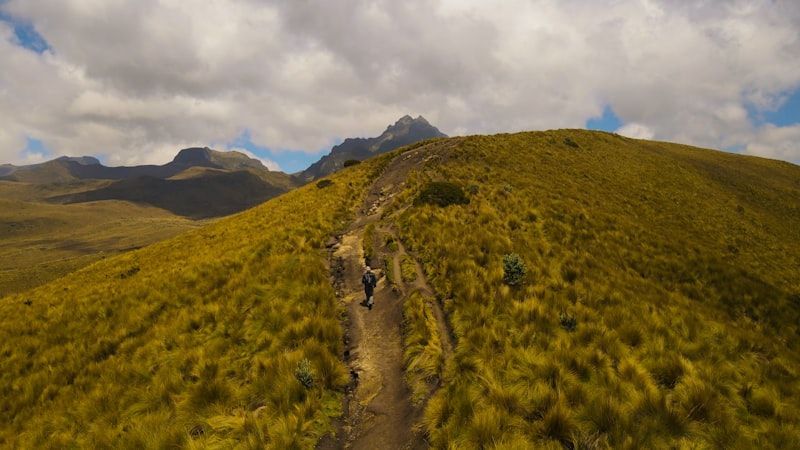
Dental tourism is not just about saving money—it’s about maximizing value. You can schedule your implant surgery, spend a week resting in Cuenca while taking low-impact activities like museum visits or short excursions, and then enjoy more of the region after your initial healing. Nearby day trips include Cajas National Park for gentle hikes, the nearby hot springs, or exploring artisanal markets for Panama hats and local crafts.
Many patients bring companions who enjoy the city’s cultural offerings while they recover. Thanks to Cuenca’s affordable lodging and dining options, companions can stay comfortably without significantly raising the trip cost.
Practical Itineraries: How a Dental Vacation in Cuenca Might Look
Below is a sample two-week plan for a Canadian considering implants and crowns. Timelines vary by the treatment plan your dentist recommends.
- Day 1–2: Arrival and comprehensive consultation, 3D imaging (CBCT), and treatment planning.
- Day 3–6: Implant surgery. Rest and initial follow-up checks. Gentle walking and city tours as tolerated.
- Week 2–3: Continued recovery. Initial soft-tissue healing and possible placement of provisional crowns if immediate-loading was used.
- Follow-up at 3–6 months: Final abutments and permanent crowns or veneers (some clinics with in-house labs can accelerate this timeline).
Some practices offer accelerated protocols that shorten the overall process through digital planning and on-site milling. If you prefer to minimize trips, ask potential clinics about immediate provisionalization and their approach to final restorations.
Safety, Standards and What to Ask Before You Book
Safety should be your top priority when planning dental work abroad. Before you commit, confirm the following:
- Clinic hygiene and sterilization protocols (autoclave use, instrument tracking).
- Availability of CBCT or high-resolution imaging for precise implant planning.
- Details about the implant components: brand, warranty and source of the implants.
- Whether the dentist is the primary clinician performing the surgery and their credentials.
- Clear cost breakdown: implant post, abutment, crown, surgical fees, anesthesia, and lab fees.
- Post-op follow-up schedule and emergency contact procedures.
Reputable clinics will gladly provide documentation, images, and a written treatment plan. If you can, request a teleconsultation prior to travel to review X-rays and confirm the plan.
Insurance, Payment and Post-Operative Care
Most provincial health plans in Canada do not cover dental implants or cosmetic procedures performed abroad. However, some private dental insurance plans may reimburse a portion of costs if you provide detailed invoices and proof of comparable treatment. Always confirm reimbursement policies before you travel and consider purchasing medical travel insurance that covers dental-related complications.
Payment methods are usually flexible; many clinics accept credit cards, bank transfers, and sometimes cash. Ask about deposit requirements, cancellation policies, and what’s included in the quoted price (e.g., post-op visits, suture removal, antibiotics).
Dealing with Altitude, Medications and Health Considerations
Cuenca sits at high elevation, so allow time to acclimate—especially if you live near sea level. Most patients experience mild effects (shortness of breath during exertion, slightly faster heartbeat) that ease after a day or two. Discuss your medical history and medications with your dentist and travel physician. Bring a list of prescriptions and ensure any necessary antibiotics or pain medications are available locally or provided by the clinic.
Aftercare and Long-Term Maintenance
High-quality implants and crowns require proper maintenance. Cuenca clinics provide aftercare instructions and can coordinate follow-ups. If you plan to return home between treatment stages, notify your local dentist and provide them with records and images. Many Canadian dentists are willing to collaborate on long-term maintenance after an implant is placed abroad.
Real Patient Value: What Sets Cuenca Apart
What makes Cuenca exceptional for Canadians is the combination of meaningful cost savings, high clinical standards, short wait times, and a pleasant recovery environment. That combination turns an otherwise stressful necessary treatment into an affordable, manageable—and even enjoyable—experience. Whether you need a single implant, a full-arch restoration, or cosmetic upgrades like veneers and crowns, Cuenca offers compelling overall value without compromising care.
How to Start Your Cuenca Dental Vacation
Start with research: compile a shortlist of Cuenca clinics, request virtual consultations, and ask for detailed treatment plans and itemized quotes. Compare not just price, but technology, credentials, and patient reviews. Plan travel logistics—flights to Quito or Guayaquil and a short domestic connection to Cuenca, or direct regional flights into Mariscal La Mar airport where available. Remember visa rules: Canadian passport holders generally receive up to 90 days visa-free entry to Ecuador.
Finally, plan recovery time into your trip, bring copies of your dental records, and arrange for travel insurance. With a thoughtful plan, you can return home with high-quality dental work that would have cost you far more at home—plus the added bonus of memories from a beautiful Ecuadorian city.
Final Thoughts: Cuenca Is More Than Cost Savings—It’s Better Value
Price is the headline, but value is the full story. Cuenca offers Canadians the rare combination of substantial cost savings, skilled dentists, modern clinics, fast scheduling, and a restorative travel experience. For dental implants, crowns and veneers, Cuenca delivers exceptional outcomes at a fraction of North American prices—making it one of the best places in the world for a dental vacation.
Ready to explore your options? Begin with a virtual consultation, compare treatment plans, and imagine recovering from your procedure while exploring cobblestone streets, mountain views, and Ecuadorian hospitality. That’s the promise—and the reality—of dental tourism in Cuenca.