
Table of Contents
Introduction: The Rise of Dental Tourism in Cuenca
For many Americans and Canadians facing steep dental bills, the idea of combining medical care with travel has become highly attractive. Cuenca, Ecuador — with its colonial charm, mild mountain climate, and an emerging reputation for top-tier dentistry — has grown into one of the world’s leading dental tourism destinations. This article explains, in practical detail, why Cuenca is arguably the best place on earth for dental implants, crowns, and veneers: dramatic cost savings, highly trained clinicians, modern technology, personalized care, and an unbeatable recovery environment that lets you heal while enjoying a memorable vacation.
Cost Comparison: Save 60–70% Without Sacrificing Quality
Cost is the most compelling reason many patients consider dental tourism. In the United States and Canada, a single implant plus an abutment and crown can easily run $3,500 to $6,000 or more. Full arch reconstructions and multiple implants frequently total tens of thousands of dollars.
In Cuenca, comparable care often costs 60–70% less. That means a single implant with a quality titanium fixture, abutment, and porcelain crown can commonly be in the range of $800–$1,500, depending on the clinic and materials. Full mouth implant solutions and All-on-4 style treatments, which might cost $30,000–$80,000 in North America, often fall between $10,000 and $25,000 in Cuenca. These are approximate ranges and vary by case, but the savings are real — without the compromises many expect.
Why such big savings?
- Lower overhead costs for clinics and staff compared with North America
- Favorable exchange rates
- Different pricing structures for implants, labs, and materials
Crucially, lower price does not mean lower standards. Many Cuenca dentists use internationally recognized implant systems and laboratory materials while offering substantial savings on labor and facility costs.
World-Class Dentists and Advanced Training
Cuenca’s dental community includes dentists educated at leading dental schools in Ecuador and many who have completed advanced courses and certifications abroad. It’s common to find clinicians who have studied implantology, prosthodontics, and digital dentistry through programs in the United States, Europe, or Argentina. These dentists bring international standards of care to local practices, including strict sterilization protocols, clinical documentation, and evidence-based treatment planning.
Many clinics in Cuenca offer specialist teams — implantologists, prosthodontists, endodontists, and oral surgeons — working together on complex cases. You can expect detailed diagnostics and treatment plans that mirror what you’d get in a high-end North American practice.
Cutting-Edge Technology: Digital Planning and Precision
Modern dental implants require precision. Cuenca clinics frequently use high-end tools such as cone beam CT (CBCT) imaging, 3D surgical guides, CAD/CAM milling, digital smile design, and intraoral scanners. These technologies improve predictability, shorten chair time, and enable immediate provisional restorations when clinically appropriate.
Using digital workflows also means more predictable pricing and outcomes. For instance, a guided implant surgery planned with CBCT data reduces surgical time and improves implant placement accuracy — a huge benefit for patients traveling from abroad who want efficient appointments and predictable recovery.
Short Wait Times and Efficient Scheduling
Another practical advantage of Cuenca is scheduling. In many North American cities patients face months-long waits for specialist consultations and surgical slots. Cuenca clinics often offer much faster timelines: initial consultations and scans can frequently be arranged within a few days, and implant placement can be scheduled within weeks.
For international patients this means you can plan a focused itinerary: consult, surgery, immediate follow-ups, and recovery days in the city — often all within a two- to three-week window for single or small multi-implant cases. Larger prosthetic stages like final crowns may require return visits, but many clinics coordinate with labs to manage staged timelines and long-distance support.
Personalized One-on-One Care and Patient Experience
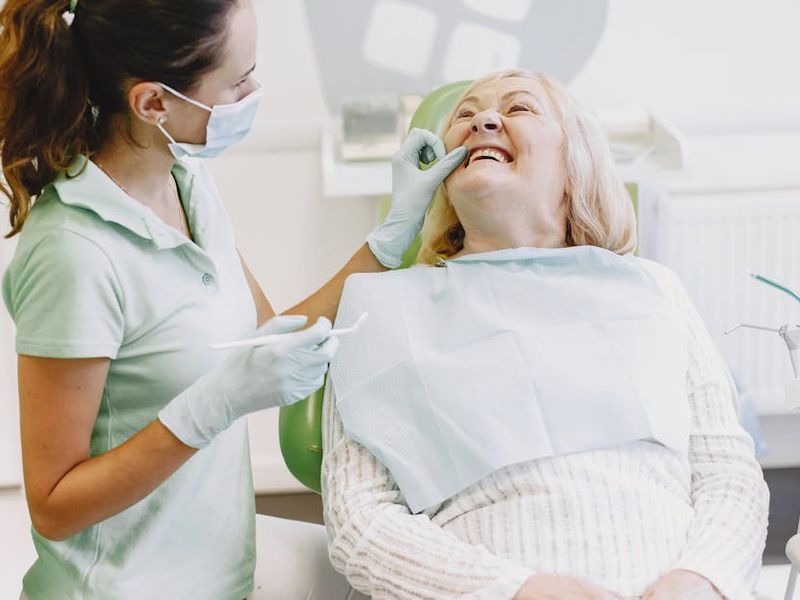
Cuenca clinics tend to be smaller and more patient-centered compared to busy corporate chains. That translates into one-on-one attention: longer consults, tailored care plans, and direct access to the treating dentist. Many practices assign point-persons to international patients — bilingual coordinators who manage appointments, medical records, and travel logistics.
Patient reviews frequently highlight this personal touch. Dentists and staff in Cuenca often provide post-op phone calls, medication reminders, and explicit written instructions to ensure smooth recovery once you return home.
Recovery Meets Vacation: Why Cuenca Is Perfect for Healing
Recovery environment matters. Cuenca sits at roughly 2,500 meters (about 8,200 feet) above sea level and offers a mild, spring-like climate year-round. This temperate environment, combined with low humidity, clean air, and walkable city centers, creates a soothing place to heal after dental surgery.
Imagine finishing an implant procedure in the morning, then strolling through Parque Calderón beneath colonial arches with a soft bite on a prescribed soft diet. Cuenca’s relaxed pace and excellent quality of hospitality services — boutique hotels, short-term rentals, and spas — provide the perfect backdrop to rest, recover, and enjoy a gentle vacation while your implants integrate.
Activities that suit a dental recovery
- Gentle city walking tours and museum visits
- Slow coffee shop afternoons sampling Ecuadorian blends
- Light garden strolls in Parque San Sebastián or the riverside Malecon
- Low-impact day trips to local markets, workshops, and scenic viewpoints
Any strenuous hiking or high-intensity activities should wait until your dentist clears them, but Cuenca’s gentle attractions make it easy to enjoy a restorative holiday.
Combining Dental Work with a Vacation: Practical Sample Itineraries
Below are two example itineraries that many dental tourists use to combine treatment and leisure:
Short Stay: Single Implant or Veneer (7–10 days)
- Day 1: Arrival, transfer, initial consult with x-rays or CBCT
- Day 2: Implant placement or veneer prep; post-op instructions and medications
- Days 3–6: Rest, light sightseeing, follow-up visit for dressing removal or minor adjustments
- Days 7–10: Travel home with documented post-op notes and prescriptions
Longer Stay: Multiple Implants or Full-Mouth Work (2–4 weeks)
- Week 1: Comprehensive exams, imaging, preliminary work (extractions, bone grafts if needed)
- Week 2: Implant surgery and immediate temporaries if applicable
- Week 3–4: Follow-up appointments, occlusal adjustments, and initial prosthetic stages
- Return visits for final crowns typically scheduled 3–6 months later depending on healing
Many clinics offer package options that include hotel pickup, accommodation partnerships, and sightseeing recommendations tailored for recuperating patients.
Choosing the Right Clinic: A Practical Checklist
Not all clinics are identical. Use this checklist to evaluate providers in Cuenca:
- Do they provide CBCT imaging and digital planning?
- Which implant brands do they use and are those brands internationally recognized?
- Can they provide before-and-after case studies and patient references?
- Is there an English-speaking coordinator familiar with international patients?
- Are sterilization protocols and infection control measures documented?
- Do they offer warranties or guarantees on implants and prosthetics?
- What kind of aftercare and emergency contact is available once you return home?
Ask for detailed, itemized treatment plans so you can compare costs and materials across clinics. A reliable clinic will gladly explain each component and the reasoning behind their recommendations.
Safety, Legal Considerations, and Follow-up Care
Safety is paramount. Cuenca’s clinics are governed by Ecuadorian health regulations, and many adhere to international standards in sterilization and infection control. Ask about clinic accreditation and verify dentists’ licenses. Most reputable clinics will provide post-operative instructions, pain management plans, and an emergency contact number.
Long-term follow-up is also essential. Some patients prefer to have final crowns placed in Cuenca, while others return home and work with their local dentist for the finishing touches. Discuss follow-up arrangements upfront: temporary prosthetics, timeline for final crowns, and communication protocols in case of complications.
Insurance, Financing, and Value Considerations
Many North American dental insurance plans provide limited coverage for implants, and out-of-pocket costs can be substantial. In Cuenca, the out-of-pocket cost for comprehensive implant care is often lower even when factoring in travel expenses, accommodation, and meals. Clinics frequently offer financing plans, payment installments, or all-inclusive packages combining treatment and a recovery stay — making premium dental care accessible and affordable.
The overall value is not only monetary. When you factor in high-quality materials, expert clinicians, fast scheduling, and the added benefit of a restorative vacation, the return on investment can be substantial. For retirees or remote workers, combining a dental procedure with an extended stay in Cuenca can also produce long-term lifestyle benefits.
Practical Tips for a Smooth Dental Vacation in Cuenca
- Bring medical records and recent x-rays to your first appointment; many clinics can accept digital files emailed in advance.
- Communicate clearly about allergies, medications, and chronic conditions — and carry a translated medication list.
- Book travel with flexible dates; allow extra time in case additional procedures or adjustments are required.
- Choose accommodation close to your dental clinic to minimize travel after procedures.
- Be mindful of altitude: drink water, move slowly the first 24–48 hours, and avoid heavy exertion after surgery.
- Confirm implant brands and warranties before scheduling major procedures.
- Plan for at least one follow-up visit with your Cuenca dental team before leaving, when possible.
Real Results: Stories of Value and Satisfaction
Patients often report being surprised at how individualized care in Cuenca can rival or exceed their expectations. Common feedback includes praise for the speed of service, quality of materials, and the relaxed recovery experience. Many who came for one procedure end up returning for further cosmetic improvements because the value and care were so compelling.
Final Thoughts: Is Cuenca Right for Your Dental Implants?
If cost is a major factor and you seek high-quality implantology combined with an enjoyable recovery experience, Cuenca should be at the top of your shortlist. The city offers dramatic cost savings (commonly 60–70% compared to North America), world-class clinicians with international training, modern digital technologies, shorter wait times, and a tranquil environment that turns a medical necessity into a restorative vacation.
As with any major medical decision, research matters. Vet clinics carefully, ask for detailed treatment plans and references, and plan logistics with realistic timelines. When done right, dental tourism in Cuenca delivers not just beautiful smiles — it delivers excellent value, individualized attention, and a recovery experience that feels more like a restful getaway than a long medical ordeal.
Resources and Next Steps
Start by gathering your dental records and a list of questions for potential clinics: brand of implants, digital diagnostic tools used, complete cost breakdowns, and post-op protocols. Consider contacting two or three clinics for written quotes and compare their responses. If you prefer, ask for virtual consultations — many dentists in Cuenca are experienced working with international patients via video call and can give an initial assessment that helps you make an informed decision.
Finally, remember one principle: the best dental tourism experience combines quality, value, and peace of mind. Cuenca offers all three — an opportunity to get excellent dental implants, crowns, or veneers at a fraction of the North American cost, while healing in one of the most charming and peaceful cities in Ecuador.
Adam Elliot Altholtz serves as the Administrator & Patient Coordinator of the “Smilehealth Ecuador Dental Clinic“, along with his fellow Expats’ beloved ‘Dr. No Pain‘, right here in Cuenca, Ecuador, and for purposes of discussing all your Dental needs and questions, is available virtually 24/7 on all 365 days of the year, including holidays. Adam proudly responds to ALL Expat patients from at least 7:00am to 9:00pm Ecuador time, again every single day of the year (and once more even on holidays), when you write to him by email at info@smilehealthecuador.com and also by inquiry submitted on the Dental Clinic’s fully detailed website of www.smilehealthecuador.com for you to visit any time, by day or night. Plus, you can reach Adam directly by WhatsApp at +593 98 392 9606 -or by his US phone number of 1‐(941)‐227‐0114, and the Dental Clinic’s Ecuador phone number for local Expats residing in Cuenca is 07‐410‐8745. ALWAYS, you will receive your full Dental Service in English (NEVER in Spanish), per you as an Expat either living in or desiring to visit Cuenca by your Dental Vacation, plus also to enjoy all of Ecuador’s wonders that are just waiting for you to come arouse and delight your senses.