
Table of Contents
Introduction: Dental Tourism That Feels Like a Vacation
If you’re considering dental implants, crowns, or veneers but dread the price and long waits at home, Cuenca, Ecuador deserves your attention. This historic Andean city blends modern dental expertise with a soothing, walkable recovery environment, making it one of the best destinations in the world for dental tourism. Patients regularly report savings of 60–70% compared with U.S. and Canadian prices, paired with personalized care and cutting-edge technology.
Why Cuenca Tops the List for Dental Implants
Several factors converge to make Cuenca exceptional for dental work: highly trained dentists, modern clinics, dramatic cost savings, short wait times, and an environment that supports healing. Unlike a rushed clinic stopover, many Cuenca providers offer coordinated dental-vacation packages that combine surgical procedures with recovery in a charming UNESCO-listed center.
Massive Cost Advantages Without Compromise
Cost is the headline reason many patients travel for dental work. In the U.S. and Canada, a single implant (implant body, abutment, and crown) can easily run $3,500–$6,000 or more. In Cuenca, equivalent work typically costs 60–70% less—often in the $900–$2,000 range. That means a full-mouth restoration can become realistic for many patients who would otherwise be priced out of care.
World-Class Training and Clinical Standards
Cuenca’s dentists receive rigorous education at respected national universities, and many pursue postgraduate training and continuing education abroad. It’s common to find clinicians who have completed advanced implantology courses in the U.S., Spain, or Colombia and who regularly attend international conferences. Modern practices in Cuenca use digital diagnostics, CBCT scans, intraoral scanners, and CAD/CAM milling—all the tools you’d expect from leading clinics worldwide.
Modern Clinics with Up-to-Date Technology
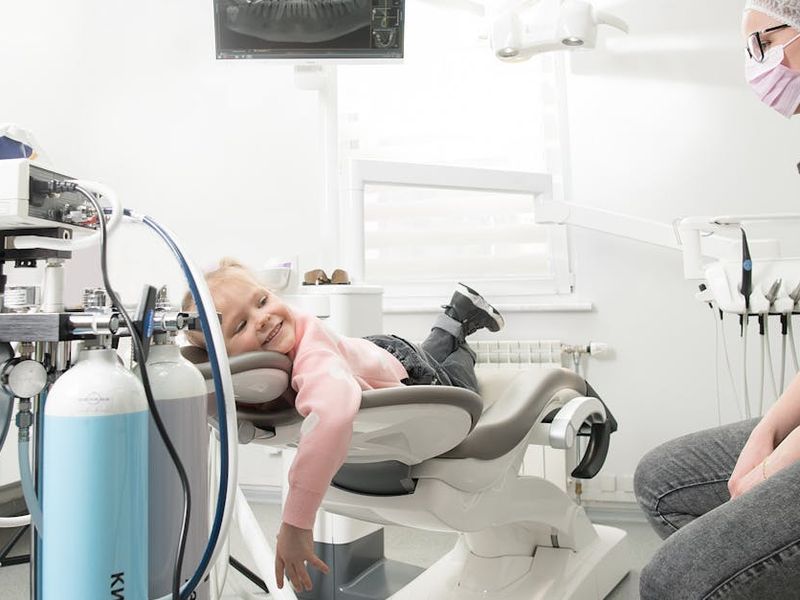
Don’t picture a back-alley operation. Many clinics in Cuenca are contemporary, private practices featuring separate sterilization rooms, brand-name implants and materials (FDA- or CE-approved), and in-house or nearby dental labs that craft zirconia crowns and implant prostheses. Patients have access to sedation options, guided implant surgery, and immediate-loading techniques like All-on-4 when clinically appropriate.
Cuenca’s Recovery Environment: Quiet, Beautiful, and Supportive
Recovery is a key factor in the success of dental implant procedures. Cuenca’s mild, spring-like climate, tree-lined streets, and low-stress lifestyle make it an ideal place to recuperate. The historic center—declared a UNESCO World Heritage Site—offers calm plazas, riverside promenades, and easy access to quiet cafes and parks where you can rest without the noise and rush of larger tourist hubs.
Walkability, Fresh Air, and a Slower Pace
Cuenca is famous for its walkable neighborhoods, which helps patients avoid long commutes and heavy physical exertion during recovery. The city’s elevation (about 2,560 meters or 8,400 feet) means brisk, clean air—something many people find invigorating, though it does require brief acclimatization for newcomers. Gentle walks along the Tomebamba River or short visits to artisan markets are perfect low-impact activities during downtime.
Day Trips That Aid Recuperation
When you’re ready to get out, Cuenca is a gateway to gentle excursions: the scenic Cajas National Park for mild nature walks, local coffee farms for leisurely tastings, and nearby thermal springs for soothing soaks. These options let you balance rest, light activity, and the pleasure of travel while your implants integrate.
How the Dental Process Works in Cuenca: Practical Steps
Planning a dental vacation requires logistics, but many Cuenca clinics streamline the process. Here’s a practical workflow most patients follow, so you can coordinate treatment and travel with confidence.
1. Start with a Virtual Consultation
Most clinics offer video consultations and request recent X-rays or a panoramic scan. A virtual consult lets the dentist review your case, suggest diagnostic scans (like CBCT), and provide a preliminary estimate. This step saves time and avoids surprises upon arrival.
2. On-Arrival Diagnostic Appointment
After traveling to Cuenca, expect a same-day or next-day diagnostic visit where the clinic performs CBCT imaging, intraoral scans, and a thorough clinical exam. The dentist will produce a detailed treatment plan, timeline, and written estimate—often the same day.
3. Treatment Phases and Scheduling
Implant treatment can be staged: extractions (if needed), implant placement, and final prosthetic work. Many patients plan for two visits—one for surgical phases and a follow-up for crowns after osseointegration (commonly 3–4 months). Some clinics offer immediate loading or hybrid timelines when conditions allow, which can shorten travel requirements.
4. Post-Op Care and Follow-Up
Cuenca dentists emphasize personalized aftercare. Expect accessible follow-up visits, clear written instructions, and local pharmacies and labs ready to provide medications and supplies. Many clinics maintain close communication with patients after they return home, including follow-up photos or video check-ins.
Personalized, One-on-One Patient Care
One of Cuenca’s distinguishing features is the level of personal attention patients receive. Many clinics are owner-operated practices where the principal dentist sees you for every stage of treatment rather than delegating to a technician. This continuity fosters trust, meticulous planning, and real-time adjustments—benefits that matter for complex restorative work like implants and full-arch reconstructions.
Smaller Clinics, Bigger Relationships
Because many practices are smaller, you’re not a number in a production line. Staff often speak English, and clinics frequently tailor schedules to accommodate your travel itinerary. Some dentists also partner with local lodging providers to create recovery-friendly packages that include transportation, accommodation, and concierge support.
Comparing Cuenca with Mexico and Thailand: Key Advantages
Mexico is closer for many North Americans and has strong dental options; Thailand is known for its high-volume medical tourism. Cuenca, however, offers a distinctive combination of benefits that make it an outstanding choice for dental implants:
- Value for money: While Mexico and Thailand can be affordable, Cuenca’s 60–70% savings vs. U.S./Canada put transformative dental care within reach for many patients without sacrificing quality.
- Short wait times: Many clinics in Cuenca can schedule diagnostic visits and procedures within days, avoiding the long consultation queues sometimes encountered in other destinations.
- Personalized care and continuity: The smaller, relationship-focused model means the same clinician often manages all stages of care.
- Recovery environment: Cuenca’s temperate climate, low congestion, and tranquil historic center offer an ideal setting to heal after oral surgery.
- Transparent pricing and local follow-up: Clinics typically provide clear written quotes and are accessible for follow-ups in a way that international clinics might not be.
Realistic Expectations and Preparation Tips
Success comes from good preparation. Here are practical tips to make your Cuenca dental vacation smooth and effective.
- Bring dental records: Photographs, previous X-rays, and a list of medications accelerate diagnosis and planning.
- Get a virtual consult: Use video appointments to understand the likely treatment plan and ask about materials, implant brands, and warranties.
- Plan for two trips if necessary: Many full implant cases need time for osseointegration; schedule accordingly, or ask about immediate-load options.
- Allow time to acclimatize: Cuenca’s elevation is around 2,560 meters (8,400 ft). Many people feel fine, but take 24–48 hours to adjust before major surgery if you’re sensitive to altitude.
- Verify sterilization and materials: Ask if clinics use CBCT, digital scanners, and FDA/CE-approved implant systems and prosthetic materials like zirconia.
- Understand aftercare: Confirm follow-up visit schedules and the clinic’s policy on complications and revisions.
Combining Quality Dental Care with a Memorable Vacation
Cuenca makes it easy to blend serious dental work with genuine travel experiences. Imagine waking up after a successful implant appointment and spending gentle days exploring colonial architecture, sampling Andean cuisine, and strolling artisan markets. Many patients enjoy low-key cultural activities during recovery, such as museum visits, language classes, and cooking workshops—activities that are low-impact but rich in experience.
Where to Stay and What to Do During Recovery
Stay in the historic centro for convenience—many clinics are within a short taxi ride or walking distance. Look for short-term apartment rentals or small hotels that offer kitchenettes and quiet spaces. For activities, consider:
- Leisurely walks along the riverside Paseo
- Visiting the New Cathedral and Plaza Calderón
- Day trips to Cajas National Park for mild hikes and scenic drives
- Relaxing at nearby thermal spas or small coffee finca tours
Final Thoughts: Exceptional Value, Exceptional Care
If you’re weighing options for dental implants, crowns, or veneers, Cuenca offers a compelling blend of high clinical standards, big savings, quick scheduling, and an enviable recovery environment. The city’s modern clinics and internationally trained dentists deliver advanced procedures—often at 60–70% less than U.S./Canadian costs—without the impersonal feel of high-volume medical tourism hubs. Add in personalized care, easy logistics, and the chance to turn dental treatment into a restorative vacation, and Cuenca stands out as one of the smartest destinations for dental tourism today.
Next Steps: How to Explore Your Cuenca Dental Options
Begin with a virtual consultation to get a realistic treatment plan and cost estimate. Compare several clinics on technology, implant systems, warranties, and patient testimonials. Ask about bundled packages that include lodging and transfers, and confirm follow-up policies before you book travel. With planning and the right clinic partner, Cuenca can transform a daunting dental journey into an affordable, well-supported, and even enjoyable chapter of your life.
Ready to learn more about dental implants in Cuenca? Start by collecting your dental records and scheduling virtual consultations—then you can compare tailored plans and choose the clinic that matches your clinical needs and personal travel preferences.