
Table of Contents
Introduction: Dental Tourism with a View
If you’re considering dental implants, crowns, or veneers and are weighing options like Thailand or Mexico, add Cuenca, Ecuador to the top of your list. This compact Andean city delivers dramatic cost savings, highly trained dentists, modern clinics, and a recovery environment that’s as restorative as the treatment itself. In short: Cuenca turns dental care into a restorative mini-retreat without sacrificing quality.
How Cuenca Outperforms Other Dental Tourism Destinations
Dental tourism is about more than low prices. It’s a combination of clinical excellence, patient experience, convenience, and post-op support. Cuenca excels across all of these dimensions, giving patients a superior value proposition when compared to options in Thailand or Mexico.
- Price versus quality: Patients typically save 60–70% on implants, crowns, and veneers in Cuenca compared to the U.S. and Canada, while receiving care from highly skilled professionals using modern equipment.
- Personalized service: Many clinics in Cuenca emphasize one-on-one attention—treating patients as guests rather than mass customers.
- Shorter wait times: Appointments, imaging, and lab work are often completed within days rather than weeks, so you can plan a concise dental vacation.
- Beautiful recovery setting: Cuenca’s mild climate, historic center, and relaxed pace make it an ideal place to recuperate after procedures.
Real Savings: What 60–70% Off Looks Like
Numbers help. While prices vary depending on the clinic and complexity, typical ranges in Cuenca are often:
- Dental implant (complete with abutment and crown): $800–$1,600
- Crown (porcelain/zirconia): $200–$450
- Veneer (per tooth): $200–$500
By comparison, the same work in the U.S. or Canada can run $3,000–$6,000 per implant and $800–$2,000 per crown or veneer. Those savings make multiple implants, full-arch restorations, or aesthetic smile makeovers financially achievable for many people.
Highly Trained Dentists—Local and International Standards
Cuenca’s dentists are graduates of top universities in Ecuador and Latin America, with many pursuing postgraduate training, implants fellowships, and continuing education abroad. Clinics often employ specialists—prosthodontists, periodontists, endodontists—so complex cases are handled by the appropriate expert rather than a generalist.
Look for clinics that publish credentials, memberships in international dental organizations, and continuing-education certificates. Many dentists in Cuenca also maintain relationships with labs in Europe or the U.S. when patients request premium materials.
Modern Clinics and Cutting-Edge Technology
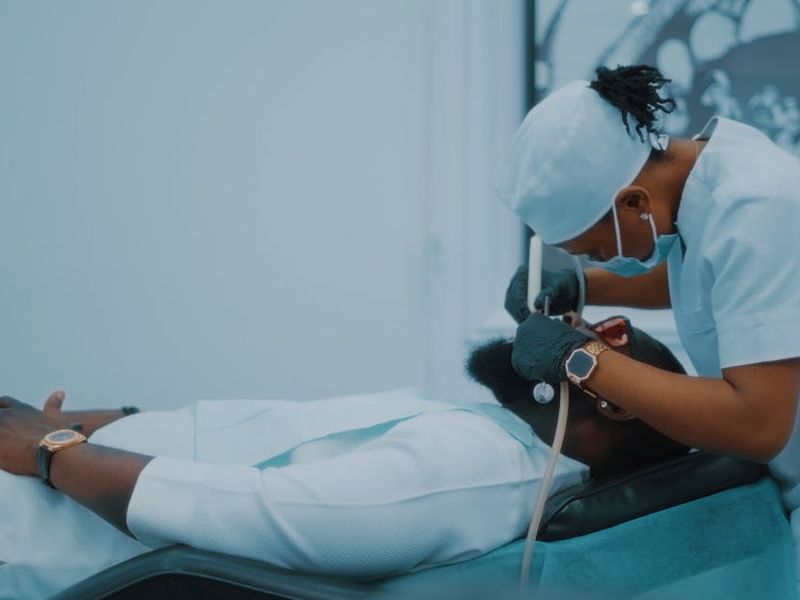
Cuenca’s dental clinics are not the small, primitive operations some people imagine when they think of dental tourism abroad. You’ll find clinics with digital panoramic X-rays, cone beam CT (CBCT) scanners, intraoral digital scanners, CAD/CAM milling units, and sterilization systems that meet international standards.
These technologies enable precise implant planning, guided surgery, same-day temporary crowns, and high-quality prosthetics. Many clinics can forward CBCT files and digital impressions to you or to outside consultants if you prefer to have a second opinion ahead of travel.
Streamlined Visits and Faster Turnaround
One advantage Cuenca offers is efficiency. Because many clinics operate on appointment-based schedules with in-house labs or trusted local labs, treatment timelines can be condensed:
- Initial consultation, imaging, and treatment plan: 1–2 days
- Implant placement: single visit (with options for immediate or delayed loading)
- Prosthetic phase (abutment and crown): 2–6 weeks depending on healing and lab work
Even staged implant protocols are often faster than waiting months for domestic appointments since you control the schedule and clinics prioritize international patients who plan a condensed dental vacation.
Personalized, One-on-One Care That Feels Like Hospitality
Cuenca’s clinics often treat dental tourism patients as more than medical clients—they treat them like guests. Expect thorough consultations, time to discuss options, individualized post-op instructions, and follow-up communication. Small clinic sizes mean you’re not shuffled through assembly-line processes.
Because Cuenca is a popular expat hub, many staff members speak fluent English and are experienced with international patients’ expectations, cultural norms, and aftercare needs.
The Perfect Recovery Environment: Why Location Matters
Cuenca sits at roughly 2,500–2,600 meters (8,200–8,530 feet) above sea level with a spring-like climate year-round. The city’s clean air, sunny mornings, and temperate days create an inviting space to rest and recover. The UNESCO-designated historic center is walkable and calm—ideal for gentle strolls after minor procedures.
Nearby Cajas National Park offers peaceful scenic drives or easy short hikes if your doctor clears you for light activity. Thermal baths and quiet coffeehouses provide soothing ways to spend the downtime that comes after implant or surgical procedures.
Combine Care with a Memorable Vacation
One of the most appealing aspects of dental tourism in Cuenca is the ability to pair effective treatment with a meaningful travel experience. Plan a week of appointments and stay a couple of extra weeks to explore:
- Cuenca’s cobblestone Old Town, cathedral plazas, artisanal markets
- Day trips to Ingapirca ruins, El Cajas hiking, and nearby colonial towns
- Culinary experiences—Ecuadorian seafood, mountain cuisine, and local coffee
Many patients say that recuperating in a beautiful, slow-paced city makes the whole dental experience feel less clinical and more restorative.
Safety, Convenience, and Currency Advantages
Cuenca is considered one of Ecuador’s safest cities for visitors and expats. The city’s compact size means less time in transit between your hotel and clinic, and taxis and private drivers are inexpensive and dependable. Ecuador uses the U.S. dollar, which simplifies budgeting and eliminates currency exchange surprises.
International travel logistics are straightforward: most visitors connect through Quito or Guayaquil and arrive in Cuenca via regular regional flights. For those seeking longer stays, the city has a broad range of accommodation options—from boutique hotels in the Centro Histórico to serviced apartments near clinics.
How to Choose the Right Clinic in Cuenca
Not all clinics are equal. Use this checklist when selecting a provider:
- Ask for before-and-after photos and patient references (recent and verifiable).
- Confirm the dentist’s education, specialist training, and foreign certifications if applicable.
- Verify availability of CBCT imaging and intraoral scanning for accurate planning.
- Request a clear written treatment plan including timelines, materials, and warranties.
- Inquire about lab work—do they use an in-house lab or a trusted local/international lab?
- Check what post-op care is included and how follow-up will be handled after you return home.
Smart Planning: Timelines and Itineraries
Knowing how long to stay is key. Typical itineraries look like this:
- Single implant with delayed crown: 7–10 days for placement and immediate post-op checks; return visit after 8–12 weeks for prosthetic phase.
- All-on-4 or full-arch procedures: 10–14 days for surgery and temporary prosthesis, with a follow-up visit 3–6 months later for final prosthetics if necessary.
- Veneers or crowns (no implants): 5–10 days if the clinic offers digital impressions and an in-house lab.
Many clinics will coordinate the second phase locally if you plan to return home, but most patients prefer to remain in Cuenca for the final crown delivery to ensure optimal fit and adjustments before returning home.
Aftercare: What to Expect and How to Recover Comfortabley
Typical post-op care includes pain control, antibiotics if indicated, soft-food recommendations, and brief activity restrictions. Because Cuenca is walkable and has many gentle, scenic environments, it’s easier to follow dental aftercare guidance without being stuck indoors.
Bring a supply of familiar soft foods, follow your dentist’s instructions, and schedule a couple of quiet days after surgery. The city’s cafés, parks, and light cultural activities provide low-stress ways to spend recovery time.
What About Follow-Up and Emergency Care?
Good clinics provide clear follow-up protocols. Verify whether they offer remote follow-up (photos and video calls), and check how complications are handled. Many clinics will coordinate with local hospitals or specialists in Cuenca for urgent care if needed, and they often provide written emergency care instructions as part of your treatment package.
Common Patient Questions—Answered
Do dentists in Cuenca speak English? Many do; clinic staff often include English speakers, especially in practices that treat international patients. If language is a concern, request an English-speaking coordinator before you travel.
Are materials used in Cuenca high quality? Yes—many clinics use American or European implants, high-grade zirconia, and lab materials. Ask specifically which implant systems and prosthetic brands will be used.
Is it safe to travel after implants? Short trips are common after implant surgery. Most practitioners recommend avoiding strenuous travel for a few days and following standard post-op precautions; long-haul flights may be scheduled after initial healing depending on your surgeon’s advice.
Why Cuenca Delivers Unbeatable Value
Cuenca isn’t just low-cost—it’s high-value. The combination of substantial savings, expert clinicians, modern technology, short wait times, and an ideal recovery setting creates a dental tourism package that goes beyond price. You’re not trading quality for cost; you’re getting superior value—especially for multi-unit implant cases or smile makeovers that would be financially prohibitive at home.
Final Tips Before You Book
- Get a digital quote and treatment plan from multiple Cuenca clinics and compare details—not just price.
- Request CBCT files and clinical photos so you can seek an independent opinion if you wish.
- Budget extra time for unexpected delays—local travel and lab schedules can shift.
- Plan leisure days for recovery and a little extra sightseeing—Cuenca rewards a slower pace.
- Keep all documents, warranties, and follow-up instructions in writing before you return home.
Conclusion: A Dental Vacation That Makes Sense
Choosing Cuenca, Ecuador for dental implants, crowns, or veneers is a decision rooted in smart economics and excellent patient experience. Here you’ll find major savings without sacrificing quality—world-class trained dentists, modern clinics, and the kind of personalized care and serene recovery environment that large, busier destinations often lack. Combine high-quality dental work with the charm of a UNESCO historic center and the restorative Andes, and you have a dental vacation that truly delivers.
If you want an efficient, affordable, and beautiful place to get dental work done, Cuenca is hard to beat—think of it as getting a top-tier smile makeover and a memorable travel experience, all in one trip.