
Table of Contents
Introduction: Dental Tourism Reimagined in Cuenca
If you’ve been researching dental implants, crowns or veneers abroad, you likely have a long list of destinations: Mexico, Thailand, Costa Rica. But one place keeps rising to the top for smart, value-minded travelers—Cuenca, Ecuador. This Andean city combines remarkable cost savings (often 60–70% less than the U.S. and Canada) with highly trained dentists, modern clinics and a restorative travel experience that turns a necessary procedure into a relaxing dental vacation.
What Makes Cuenca Different from Other Dental Tourism Hotspots?
Dental tourism is about more than price. Cuenca stands out because it delivers high-quality dentistry in a small-city setting where personalized care, short wait times and an easy recovery are the norm. Unlike high-volume hubs that treat patients like assembly-line appointments, many dental practices in Cuenca are boutique clinics where you work directly with your dentist from consultation to follow-up.
Cost Savings You Can Count On
One of the chief reasons people travel for dental work is cost. In Cuenca you can expect dramatic reductions: many patients report paying 60–70% less than in the U.S. or Canada for the same procedures. For example, a single implant with a crown that might cost $4,000–$6,000 in the U.S. can often be completed in Cuenca for $1,200–$2,000 depending on materials and complexity. Full mouth restorations, veneers and multiple crowns become financially feasible without sacrificing quality.
Highly Trained Dentists and International Standards
Cuenca’s dental professionals often graduate from top dental schools in Ecuador and abroad and pursue continuing education in implantology, prosthodontics and cosmetic dentistry. Many clinics use internationally recognized implant brands and adhere to sterilization and safety protocols comparable to North American standards. If peace of mind is important, ask a clinic for details about the dentist’s qualifications, affiliations and continuing education records—most are happy to provide them.
Modern Clinics, Cutting-Edge Technology
One myth about dental tourism is that cheaper means outdated equipment. That’s not the case in Cuenca. Many clinics feature digital X-rays, 3D CBCT scans for implant planning, intraoral scanners, CAD/CAM milling and onsite or partner dental labs. These technologies increase precision, reduce appointment times and allow for better communication between dentist and lab—crucial when you’re organizing treatment across borders.
Immediate vs. Two-Stage Implants: What to Expect
Cuenca clinics are experienced with both immediate-load implants (where temporary crowns are placed the same day) and traditional two-stage implant protocols. Your treatment plan will depend on bone quality, the number of teeth involved and aesthetic goals. Clinics will often provide CBCT imaging on your first visit so you can see the plan and timeline before committing.
Short Wait Times and Personalized Scheduling
Unlike busy destinations where you may wait weeks for an initial consultation or slot in between many other patients, Cuenca clinics commonly offer shorter wait times and flexible scheduling. Because many practices are smaller and focused on patient relationships, you’ll likely have more one-on-one time with the lead dentist rather than dozens of appointments with different technicians. That continuity can make complex cases smoother and recovery less stressful.
Recover in Comfort: Cuenca’s Calm, Healing Environment
Recovery matters. Cuenca’s pleasant climate (situated at about 2,560 meters / 8,400 feet), mild temperatures year-round and excellent air quality create an ideal setting to recuperate after oral surgery. The city’s compact, walkable Old Town—with its parks, colonial architecture and relaxed cafes—makes it easy to enjoy gentle activity between rest periods. Instead of healing in a noisy, tourist-packed resort or a cramped hotel, you can stay in a charming casona near Parque Calderón and sip chamomile tea while your mouth heals.
Activities That Complement Recovery
- Take slow-paced walks in the historic center to keep circulation up without overexertion.
- Visit the artisan towns of Chordeleg and Gualaceo for gentle day trips and beautiful souvenirs.
- Soak in nearby thermal springs for muscle relaxation—many are within 1–2 hours drive.
- Enjoy local cuisine adapted for soft diets: hearty soups like locro, avocado-based dishes and fresh smoothies rich in protein.
Combining Dental Work with a Real Vacation
Dental tourism doesn’t have to be a clinical trip. Cuenca lets you pair necessary dental work with a genuine cultural escape. In the morning you can attend an implant or crown appointment and spend afternoons exploring museums, artisan markets, and rooftop views. Unlike far-flung Asian destinations, Cuenca’s travel time is reasonable for North Americans—less jet lag, more comfortable recovery and better ability to schedule follow-up appointments before heading home.
Safety, Language and Patient Communication
Language is less of a barrier in Cuenca than many expect. Many dentists and clinic staff speak English, and clinics that regularly treat international patients have systems for communication, digital imaging sharing and remote consultations. Safety-wise, Cuenca is considered one of Ecuador’s most secure cities for residents and visitors; clinics uphold strict sterilization protocols and provide clear pre- and post-operative instructions to reduce infection risk and ensure recovery goes smoothly.
Remote Consultations and Documentation
Most reputable Cuenca clinics will start with a remote consultation—an exchange of photos, X-rays and a video call to discuss your goals. They can provide a written treatment plan, cost breakdown and a clear timeline so you know exactly what to expect before you buy a plane ticket. After treatment, clinics often provide digital records and a summary of materials used (implant brand, crown material), which are helpful for home dentists.
Practical Planning: How to Arrange a Dental Vacation in Cuenca
Planning is key to a low-stress trip. Here’s a step-by-step checklist to get you started:
- Gather records: recent X-rays, dental histories and photos. Send these to clinics for a preliminary assessment.
- Get detailed quotes: ask for a full cost breakdown including lab fees, anesthesia and any follow-up visits.
- Confirm technology: ensure the clinic uses CBCT, digital planning and recognized implant systems.
- Ask about guarantees and follow-up policies: many clinics offer warranties on implants and prosthetics.
- Plan your stay: schedule free days around major appointments so you can rest. Book accommodation near the Old Town for convenience.
- Allow time for healing: even with immediate protocols, plan for at least 7–14 days in-country for simple cases, longer for full-mouth work.
- Arrange travel insurance that covers dental complications or delayed flights when applicable.
Cost Examples and Value Comparison
Numbers help make the case. While exact prices depend on individual cases, materials and clinic reputation, typical comparative ranges are:
- Single dental implant with crown: U.S./Canada $3,000–$6,000 vs. Cuenca $1,200–$2,000
- Crown (porcelain/zirconia): U.S. $800–$2,000 vs. Cuenca $200–$500
- Porcelain veneers (per tooth): U.S. $1,200–$2,500 vs. Cuenca $300–$700
These savings allow many patients to choose higher-quality materials, add more implants, or finance a more comfortable recovery without breaking the bank. When you factor in the quality of care, international-standard technology and the chance to recover in a scenic, low-stress city, Cuenca’s overall value becomes hard to beat.
Why Cuenca Beats Longer Trips to Asia and Mass-Market Clinics in Mexico
Asia—places like Thailand—can offer competitive prices but require long-haul travel, more severe jet lag and greater time zone differences that can complicate immediate follow-ups. Mexico is geographically closer and well-established for dental tourism, but many Mexican clinics are high-volume, which can mean shorter dentist-patient time and a more transactional experience. Cuenca strikes a balance: affordability comparable to top dental tourism hubs, but with the feel of a personalized, relationship-based clinic and a shorter, more comfortable travel experience for North American patients.
Personal Care Over Production Lines
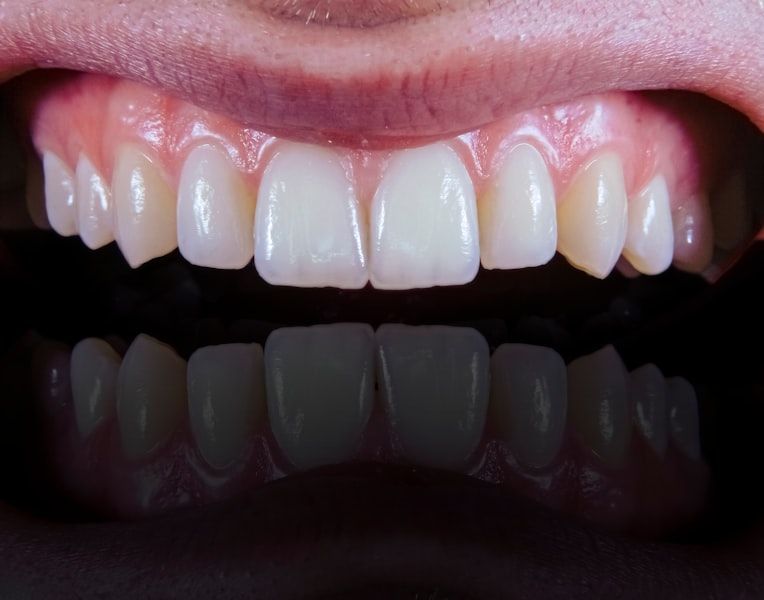
Cuenca clinics often prioritize individualized treatment plans and continuity of care. You’ll typically meet the dentist who plans and executes your implant placement, not just a technician. That one-on-one approach lowers the risk of miscommunication and leads to better aesthetic outcomes, especially for crowns and veneers where artistry matters.
Real Patient Experiences and Peace of Mind
Patient testimonials from Cuenca consistently highlight the warm, supportive environment, thorough explanations, and the relief of major cost savings without sacrificing results. Clinics used to international patients can provide references, before-and-after photos and even connect you with former patients for first-hand feedback. Ask clinics for these references—real patient stories help validate the clinic’s claims and set realistic expectations.
Final Tips for a Successful Dental Vacation in Cuenca
- Bring copies of all treatment records home and forward them to your dentist at home for continuity of care.
- Pack soft-food snacks and a small recovery kit (ice packs, OTC pain relief as advised by the clinic, gauze, saline rinse).
- Reserve extra travel days for any unexpected follow-ups or slight delays—flexibility is worth the peace of mind.
- Stay hydrated and follow altitude tips: take it easy the first day to adjust to Cuenca’s elevation.
- Confirm what warranties cover and for how long; get agreements in writing.
Conclusion: A Strategic Choice for Dental Health and Travel
Choosing where to get dental implants, crowns or veneers is a major decision that should balance cost, quality and recovery. Cuenca, Ecuador offers a unique combination: large cost savings (commonly 60–70% compared to U.S. and Canadian pricing), dentists trained to high standards, modern clinics with advanced technology, and a restful, beautiful city that supports recovery. For North American travelers looking to get exceptional dental work and enjoy a genuine vacation, Cuenca is not just an alternative—it’s one of the smartest options available.
Start with a remote consultation, compare treatment plans and timelines, and you may find that your best smile—and a memorable trip—are waiting in Cuenca.