
Table of Contents
Introduction: A New Kind of Dental Vacation
Imagine getting high-quality dental implants, crowns, or veneers from internationally trained dentists while recovering in a UNESCO-listed colonial city with spring-like weather year-round. That’s Cuenca, Ecuador — a city that has quietly become one of the world’s best destinations for dental tourism. For travelers from the United States, Canada, and Europe, Cuenca combines dramatic cost savings, modern clinical care, short wait times, and an unbeatable recovery environment that turns dental work into a restorative vacation.
What Makes Cuenca Stand Out for Dental Tourism?
There are plenty of places to travel for dental care, but Cuenca offers a unique mix of benefits that make it exceptionally appealing:
- Major cost savings: Patients typically save 60–70% on major procedures compared with prices in the U.S. and Canada.
- Highly trained professionals: Many Cuenca dentists are graduates of top universities in Ecuador and abroad and participate in continuing education programs.
- Modern clinics and technology: Clinics often feature CBCT (3D) imaging, CAD/CAM milling, digital impressions, and in-house laboratories producing zirconia crowns and implant components.
- Compact, walkable city for recovery: Cuenca’s pleasant climate, scenic plazas, and comfortable accommodations make recuperation enjoyable.
- Short scheduling waits: Compared to backlogs in many home countries, Cuenca clinics often schedule consults and treatments quickly.
- Personalized one-on-one care: Many practices prioritize close dentist-patient relationships and tailored treatment plans.
How Much Can You Save? Real Savings, Real Value
Savings are the central draw for dental tourism in Cuenca. When clinics advertise 60–70% savings, they’re comparing common U.S./Canadian fees for implants, crowns, and veneers with Cuenca’s prices. For example, a single dental implant that might cost $3,000–$6,000 in North America can often be done in Cuenca for a fraction of that price — delivering excellent value without sacrificing standards of care. These savings allow many patients to choose higher-quality materials (e.g., zirconia, premium abutments) or combine several procedures into a single trip and still spend far less overall.
World-Class Training and International Standards
Cuenca’s dental professionals are well-educated, often with degrees from Ecuador’s top dental schools and additional training through international fellowships and CE programs. Many dentists maintain accreditation with national associations and participate in cross-border dental networks. You’ll find clinicians skilled in oral surgery, prosthodontics, periodontics, and cosmetic dentistry, with substantial experience placing implants and crafting esthetic restorations like veneers and crowns.
Cutting-Edge Clinics: Technology and In-House Labs
Modern dental clinics in Cuenca invest in technology that matters for outcomes and comfort. Digital CBCT scans for precise implant planning, CAD/CAM milling systems for same-day crowns, and high-quality dental materials are increasingly common. Several clinics operate in-house labs staffed by skilled dental technicians, shortening turnaround times and improving the fit and aesthetics of crowns and veneers. These capabilities mean fewer visits, less waiting for restorations, and better control over the final result.
The Recovery Advantage: A Healing Vacation in the Andes
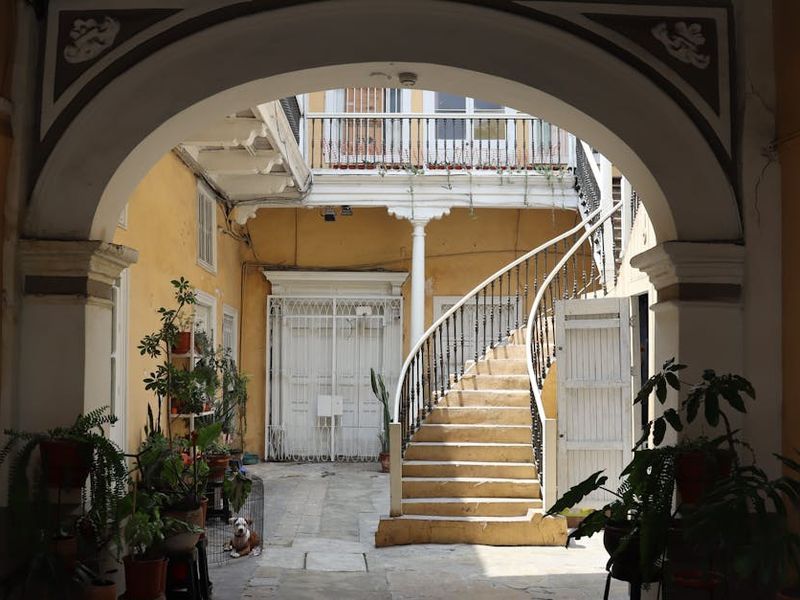
Cuenca’s environment is one of its strongest selling points. At roughly 2,560 meters (about 8,400 feet) in elevation, the city enjoys a mild, spring-like climate year-round — comfortable for recovery from procedures like extractions and implant surgery. The historic center, a UNESCO World Heritage site, offers peaceful plazas, tree-lined boulevards, and charming cafes for quiet days of healing. Nearby natural escapes like Cajas National Park and hot springs provide gentle excursions when you’re ready for light activity.
Why the Setting Matters
After major dental work, stress reduction and a calm environment support better healing. Cuenca’s slower pace, excellent healthcare infrastructure, and abundant green spaces make it easy to rest. Many patients report that the city’s beauty and ambiance help them approach treatment with less anxiety than they felt at home.
Combine Treatment with Tourism: Sample Dental Vacation Itineraries
One of the most attractive aspects of dental tourism in Cuenca is the ability to combine care with memorable travel. Here are two practical itineraries that maximize both treatment efficiency and sightseeing:
- 7–10 day restorative visit (crowns, veneers, small implants): Day 1 — arrival and consultation; Days 2–3 — treatment (prep, impressions, temporary restorations); Days 4–6 — rest and light sightseeing (Plaza Calderón, Museo del Banco Central, artisan markets); Days 7–9 — final adjustments and crown placement, follow-up; Day 10 — return home.
- 10–21 day implant plan (single or multiple implants): Day 1 — arrival and consult with CBCT; Days 2–4 — implant surgery; Days 5–10 — recovery and soft activities, day trip to Cajas National Park; Week 8–12 — second visit (if needed) for abutments and prosthetic work, or choose immediate-load implants for fewer visits.
Many clinics in Cuenca also offer coordination services: arranging airport transfers, scheduling follow-up appointments, and recommending hotels and restaurants to ensure a seamless experience.
Short Wait Times and Flexible Scheduling
In many countries, patients wait months for specialist appointments. In Cuenca, clinics frequently offer consults and procedures within days to a few weeks. This is a crucial advantage for international patients who want predictable timelines and minimal disruption. Clinics accustomed to working with foreign visitors are efficient at coordinating multi-step treatments across short, well-planned stays.
Personalized Care: One-on-One Attention and Patient Relationships
Smaller clinics often provide close, personalized care. Dentists in Cuenca tend to be hands-on throughout treatment — from initial consultation through placement and follow-up — rather than delegating most tasks to assistants. Patients routinely note the friendly bedside manner, clear explanations in English when requested, and follow-up calls or messages after procedures. This level of individual attention enhances confidence and recovery.
Safety, Accreditation, and How to Vet a Clinic
Safety and quality matter. Practical steps for vetting clinics in Cuenca include:
- Ask for the dentist’s credentials and where they trained; many will list universities and continuing education courses.
- Review before-and-after photos of similar cases and ask for patient references or testimonials.
- Confirm the clinic’s sterilization protocols and whether they use single-use disposables when appropriate.
- Verify the use of modern diagnostic tools (CBCT, digital impressions) and materials (zirconia, high-quality implant systems).
- Request a detailed written estimate and a treatment timeline, including warranty or aftercare terms.
Many clinics are also comfortable coordinating with your local dentist for continuity of care. If you’re considering complex surgery, ask whether the surgeon is board-certified and how emergency care is handled.
Popular Procedures: Implants, Crowns, and Veneers
Cuenca’s dental community has extensive experience with cosmetic and restorative procedures that attract international patients:
- Dental implants: Modern implant systems, digital planning, and guided surgery are common. Many clinics offer both conventional two-stage implants and immediate-load options depending on case suitability.
- Crowns and bridges: CAD/CAM crowns and high-quality zirconia restorations are frequently available, with accurate fits and natural aesthetics.
- Veneers and full smile makeovers: Porcelain or composite veneers, often with digital smile design, help patients achieve dramatic esthetic results at a fraction of home costs.
These procedures are supported by in-house labs and technicians who specialize in esthetic shading, fit, and function.
Practical Travel Tips and Pre-Trip Checklist
To make your dental vacation safe and stress-free, consider these practical tips:
- Get a virtual initial consultation: Many clinics offer video consults to review X-rays and create an estimated plan before you travel.
- Bring dental records: Current X-rays, treatment history, and a list of medications help your Cuenca dentist plan accurately.
- Plan extra recovery days: Allow at least a few days after surgery for rest; for implant surgery, follow your dentist’s flying guidance.
- Check altitude and medical considerations: Cuenca’s elevation is significant; if you have cardiac or respiratory conditions, consult your physician before travel.
- Confirm medication availability: Ask the clinic about post-op prescriptions and whether they will arrange them locally.
- Arrange travel insurance: Choose a policy that covers medical evacuation and complications related to elective procedures if possible.
Where to Stay and How to Enjoy Cuenca During Recovery
Cuenca offers accommodations for all budgets. Recommended neighborhoods include central areas near Parque Calderón — walkable to clinics, restaurants, and pharmacies — and quieter residential districts like El Vergel for a more peaceful recovery. Many hotels and rentals cater to longer stays and can assist with local transportation.
During light-activity recovery days, enjoy Cuenca’s highlights: stroll the historic cathedral and plazas, browse artisan markets for Panama hats and handcrafts, visit the Pumapungo Museum and ruins, or sip coffee in a riverside café. For day trips, Cajas National Park’s lakes and trails or warm coastal beaches a few hours away make for restorative excursions when your dentist clears you for activity.
Language, Culture, and Practicalities
While Spanish is the national language, many dental clinics serving international patients have English-speaking staff. Cuenca has a sizable expat community, adding to the availability of English services and international cuisine. ATMs and credit card acceptance are widespread, but ask your clinic about payment methods and any cash discounts. Tipping is appreciated in hospitality settings but not typically expected in clinics.
Real Patient Experiences: Confidence and Value
Patients who choose Cuenca for dental vacations often comment on the combination of professional care and the city’s healing atmosphere. They highlight the personal relationships formed with dentists, the transparency of pricing, and the joy of exploring a beautiful city while receiving treatment. For many, the financial savings make previously unaffordable treatments possible — whether completing a smile transformation or replacing multiple failing teeth with implants.
Final Considerations: Is Cuenca Right for Your Dental Vacation?
Cuenca is an outstanding option for patients seeking high-quality dental work at a fraction of North American costs, combined with modern clinics and a serene Andean setting for recovery. The city’s strengths — skilled dentists, advanced technology, short wait times, and a welcoming environment — make it a top choice for implants, crowns, veneers, and other restorative procedures.
Before booking your trip, do your homework: request a virtual consultation, verify credentials and technologies used, plan for recovery time in the city’s tranquil surroundings, and coordinate follow-up care with local providers if needed. With the right planning, a dental vacation to Cuenca can offer transformative dental outcomes and an unforgettable travel experience — all at incredible value.
Next Steps: Planning Your Cuenca Dental Vacation
If you’re considering combining dental care with travel, start by contacting a few reputable Cuenca clinics for virtual consults and written estimates. Compare timelines, materials, and warranties, and consider the travel logistics that suit your schedule. With a well-organized plan, Cuenca can be both a destination for exceptional dental care and a restorative escape, offering unmatched value for implants, crowns, and veneers.