
Table of Contents
Introduction: Dental Tourism with a View
If you’re considering dental implants, crowns, or veneers but balking at North American prices and long wait times, Cuenca, Ecuador deserves your attention. This charming UNESCO World Heritage city blends dramatic cost savings (typically 60–70% less than the US and Canada) with world-class dental training, cutting-edge clinics, and a restorative travel experience. In this article we’ll explain exactly why Cuenca outshines common dental-tourism destinations like Mexico and Thailand—and how you can plan a safe, comfortable dental vacation that doubles as a memorable getaway.
Big Savings Without Compromise
Cost is often the top reason people look abroad for dental work. In Cuenca you can expect dramatic savings across common procedures: dental implants, crowns, veneers, and full-mouth reconstructions. Where a single implant in the US or Canada can cost anywhere from $3,000 to $6,000, many clinics in Cuenca offer high-quality implants in the $900–$1,800 range. Crowns and veneers also come at a fraction of North American prices—often 60–70% less—without automatic trade-offs in materials or technique.
These savings aren’t a result of cut corners; they reflect lower overhead, the use of globally recognized implant systems, and a favorable exchange rate (Ecuador uses the US dollar), so there are no currency surprises at checkout. When you include reduced-priced lodging, food, and travel, the overall value of getting implants, crowns, or veneers in Cuenca is hard to beat.
Highly Trained Dentists and International Standards
Cuenca’s dental professionals are trained at respected Ecuadorian universities and many continue education through residencies and courses in the US, Europe, and Latin America. Clinics emphasize continuing professional development, certification, and adherence to international sanitary standards. You’ll find dentists experienced in implantology, prosthodontics, and cosmetic dentistry who routinely handle complex cases and use evidence-based techniques.
Many practices also partner with international implant brands and labs, and employ specialists—periodontists, endodontists, oral surgeons—so you get focused expertise instead of one-size-fits-all care. For patients concerned about credentials, reputable clinics will readily share bios, training histories, and case portfolios.
Modern Clinics, Advanced Technology
Cuenca clinics are equipped with modern diagnostic and surgical technology: digital x-rays, 3D cone beam CT (CBCT), intraoral cameras, CAD/CAM milling units, and on-site dental laboratories. These tools allow for precise planning, same-day crowns in some cases, and superior aesthetic outcomes for veneers and full-mouth reconstructions.
Many clinics also offer implant systems you’d see in North America—Nobel Biocare, Straumann, Zimmer Biomet and others—so the materials and components meet international quality expectations. Sterilization and infection control protocols mirror what international patients expect, and bilingual staff frequently facilitate clear pre-op and post-op instruction.
Short Wait Times and Efficient Treatment Pathways
One of the most frustrating aspects of getting major dental work at home is the wait. In Cuenca, appointments and surgical scheduling tend to be quick: initial consultations are often available within days, and many clinics offer treatment timelines that minimize repeat visits. For many implant procedures, clinics offer staged plans that reduce the number of separate trips—immediate-load implants and computer-guided surgery can often speed recovery and decrease chair time.
That efficiency translates to less time away from work and family and lower travel costs. If your case requires multi-stage treatment, reputable clinics will coordinate follow-ups and work with you on a plan that balances clinical safety with the convenience of fewer visits.
A Recovery Paradise: Why Cuenca Is Ideal for Healing
Recovery matters. Unlike crowds and noisy tourist hotspots, Cuenca’s mild, spring-like climate (average temperature around 12–20°C), leafy plazas, and accessible parks create a calm environment for healing. Strolling the historic center—Plaza Calderón, Catedral Nueva, and the riverside promenades—offers gentle activity that aids circulation without straining your mouth.
Nearby natural escapes are perfect for low-impact recovery. Cajas National Park is a short drive away and provides high-altitude, low-impact walks among lakes and Andean flora. Turi’s scenic overlook and quiet artisan towns like Chordeleg (famous for silverwork) offer gentle day trips ideal for recuperating patients.
Combine Treatment with a True Dental Vacation
Cuenca is more than a dental clinic in a tourist town—it’s a place where medical care and leisure fuse. Plan your first visit to include a consultation, x-rays, and preparatory work, then use your recovery period to enjoy museums, plazas, and slow coffee mornings. After surgical appointments, return to a boutique hotel or Airbnb close to the clinic where staff can help arrange low-key day trips and pharmacy deliveries.
Because Ecuador uses the US dollar and has excellent value for accommodation and gastronomy, you’ll often find that your total trip cost—clinic fees plus travel and lodging—still comes in far lower than the cost of having the work done at home. That leaves more budget for gourmet Ecuadorian cuisine, guided cultural tours, or a private guide for outings while you heal.
Personalized One-on-One Care and Patient Focus
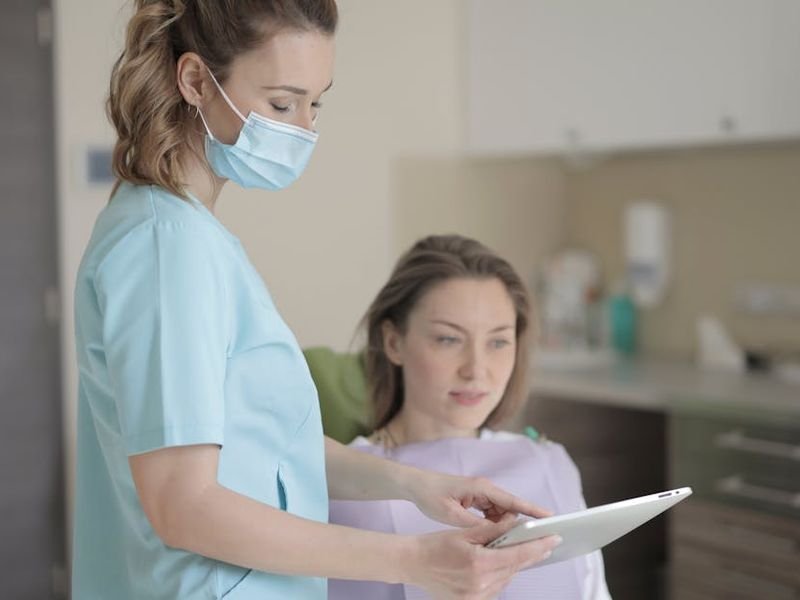
Many Cuenca clinics emphasize a boutique, patient-centered experience. Expect one-on-one consultations, detailed treatment planning, and direct communication with your dentist—often in English. Clinics frequently provide personalized concierge services: scheduling, airport transfers, hotel recommendations, medication pickups, and interpreter support.
Compared with larger tourist hubs where clinics can be transactional, Cuenca’s smaller size means staff can offer continuity of care and build trust. You’ll likely see the same clinician at every step, and many practices provide clear written aftercare instructions and remote follow-up via phone or WhatsApp for international patients.
Safety, Sanitation, and Regulatory Environment
Ecuadorian dental clinics operate under national health regulations and most reputable practices adhere to international sterilization and clinical guidelines. If safety is a concern, look for clinics that provide details about their infection control protocols, equipment sterilization, and supplier brands. Many clinics will welcome you to tour the facility before treatment.
Also, because Cuenca’s patient base includes many expats and international visitors, clinics are accustomed to meeting foreign expectations for cleanliness, documentation, and continuity of care—so your comfort and safety are prioritized.
Logistics: Getting to Cuenca and Practical Tips
Cuenca is served by Mariscal La Mar Airport (CUE), with domestic flights to Quito and Guayaquil; many international visitors fly into Quito (UIO) or Guayaquil (GYE) and take a short domestic connection or a scenic 3–4 hour bus/drive to Cuenca. Ecuador’s use of the US dollar simplifies budgeting for Americans and Canadians, and typical tourist visas allow for stays up to 90 days—ample time for most dental plans.
Practical tips for a smooth trip:
- Bring digital copies of your dental records and lists of current medications.
- Confirm clinic credentials, implant brands used, and a clear written treatment plan with timelines and costs.
- Plan for hydration and altitude adjustment—Cuenca sits at about 2,560 meters (8,400 feet). Most patients acclimatize quickly, but take it easy on the first day and avoid heavy exertion.
- Arrange lodging near the clinic for easier follow-up visits and quick access if you need medications.
- Ask about sedation options (local anesthesia, oral sedation) and whether post-op pain meds will be provided or need to be purchased locally.
Timeline: How a Dental Vacation Typically Unfolds
Every case is different, but here’s a representative timeline to help you plan:
- Week 1: Arrival and consultation—digital scans, CBCT if needed, and treatment planning.
- Week 2: First procedure—extractions, bone grafting, or implant placement depending on your plan. Many clinics offer immediate impressions for temporary crowns or provisionals.
- 2–4 months later: Implant integration period (varies by case). Some clinics offer immediate-load implants or All-on-4 solutions that reduce the number of trips required.
- Follow-up visit: Final crowns, permanent veneers, or prostheses placement. Final adjustments and a detailed home-care plan are provided.
For travelers who prefer to minimize return visits, discuss immediate-load options with your dentist—these can allow functional teeth sooner but depend on bone quality and clinical judgment.
How Cuenca Compares to Mexico and Thailand
Mexico and Thailand are well-known dental-tourism hubs, but Cuenca offers several distinct advantages that make it especially attractive for North American patients:
- Dollar economy: Ecuador’s use of the US dollar eliminates exchange rate friction and makes pricing transparent.
- Shorter overall travel time: For many US visitors, direct domestic connections to Ecuador’s major hubs plus a short domestic flight to Cuenca reduce total travel compared with intercontinental flights to Thailand.
- Small-city, patient-focused clinics: Cuenca’s clinics emphasize personalized care and continuity, often with shorter waits and more one-on-one attention.
- Cultural and recovery environment: Cuenca’s colonial center, parks, and nearby natural attractions create a calmer healing atmosphere than busier resort towns.
- Comparable clinical standards: Many Cuenca clinics use the same implant brands and modern technology you’d see in Mexico and Thailand, but with the added benefit of a more walkable, less tourist-heavy city for recovery.
Choosing the Right Clinic in Cuenca
Selecting a clinic requires research. Look for well-documented case photos, transparent price lists, and open communication about timelines and potential complications. Reputable clinics will offer remote consultations, second opinions on treatment plans, and clear post-op follow-up protocols. If you have complex needs, ask about collaborations with specialists and whether a lab does in-house prosthetics for faster turnarounds.
Consider these questions when evaluating clinics:
- Which implant systems and prosthetic materials do you use?
- Can you share before-and-after cases similar to mine?
- What are the timelines, and how many visits will I need?
- Do you offer dental tourism packages with lodging and transport support?
Realistic Expectations and Aftercare
Successful dental tourism depends on setting realistic expectations. Healing takes time; despite efficient workflows, implants and bone grafting require biological integration. Follow post-op instructions closely: soft diet, oral hygiene measures, and avoiding smoking speed recovery. Many clinics maintain remote follow-up via video calls and will coordinate with local dentists for emergency care if you return home before finalization.
Finally, remember that aesthetic dentistry is often collaborative: clear communication about expectations, shade selection, and design ensures results you’ll be happy with long after your dental vacation ends.
Conclusion: Exceptional Value and a Healing Destination
For patients seeking dental implants, crowns, or veneers without sacrificing quality, Cuenca, Ecuador offers an exceptional combination of affordability, clinical expertise, modern technology, and an ideal recovery environment. With 60–70% cost savings compared to the US and Canada, dentists trained at respected institutions, short wait times, and a charming city perfect for low-key recuperation, Cuenca stands out as an outstanding destination for dental tourism and dental vacations.
If you’re ready to explore options, start by collecting your dental records, researching clinics with transparent plans, and mapping a travel timeline that pairs your treatment needs with restful sightseeing in one of Ecuador’s most beautiful cities.
Quick Checklist Before You Book
- Gather records and ask for a written treatment plan and cost breakdown.
- Verify clinic credentials, equipment, and implant brands.
- Plan accommodation near your clinic and prepare for altitude acclimatization.
- Confirm post-op support and remote follow-up options.
- Budget for extra days for recovery and leisure—Cuenca is worth the stay.
Choosing where to get dental work is a major decision. Cuenca offers an unbeatable blend of clinical quality, cost savings, and a peaceful, restorative setting—making it a top choice for anyone considering dental implants or cosmetic dental procedures abroad.