
Table of Contents
Introduction: The New Dental Vacation Trend for Retirees
For many retirees, dental care has moved from a stressful chore to an exciting opportunity: getting first-rate dental work while enjoying a memorable trip. Cuenca, Ecuador has emerged as one of the top dental tourism destinations in the world—and for good reason. With dramatic cost savings, highly trained dentists, modern technology, short wait times, and a peaceful, restorative city to recover in, Cuenca offers exceptional value for dental implants, crowns, and veneers.
Why Cost Savings Matter: Get 60–70% Less Than US/Canada Prices
One of the most compelling reasons retirees choose Cuenca is cost. Dental procedures in Cuenca commonly cost 60–70% less than in the United States or Canada. That means implants, crowns, and veneers that might otherwise be prohibitively expensive can become affordable, enabling many retirees to upgrade their oral health, bite function, and smile aesthetics without draining retirement savings.
Because Ecuador uses the US dollar, pricing is simple to compare and there are no currency surprises. The combination of lower professional fees, reduced overhead, and efficient local labs translates directly into huge savings for patients.
World-Class Dentists with International Training
Cuenca’s dental community is staffed by professionals who receive rigorous training at top Ecuadorian universities—such as Universidad del Azuay and Universidad de Cuenca—and who often complete advanced programs or internships abroad. Many dentists pursue continuing education in implantology, prosthodontics, and cosmetic dentistry to stay current with international standards.
Retirees report comfort knowing their providers are familiar with modern protocols, evidence-based treatment planning, and international implant systems. Most clinics offer multilingual staff and patient coordinators who translate technical details into plain language for English-speaking patients.
Modern Clinics and Cutting-Edge Technology
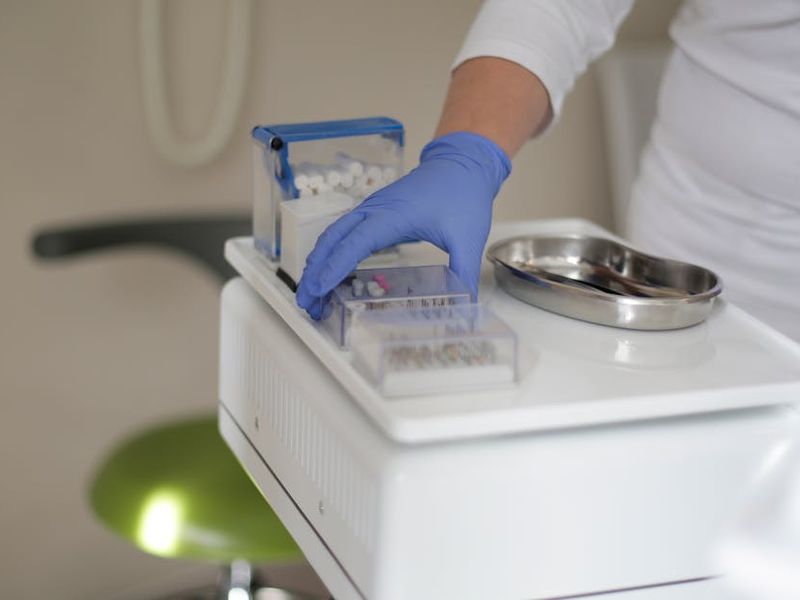
Another hallmark of Cuenca’s dental scene is technology. Clinics in the city are equipped with digital X-rays, 3D cone-beam CT (CBCT) scanners, intraoral cameras, in-house or nearby dental labs, CAD/CAM milling units, and 3D printers. These tools enable precise implant placement, same-day crowns where possible, and better communication between dentist and dental technician.
For retirees, that means fewer surprises, faster turnaround, and higher-quality restorations—whether you’re getting zirconia crowns, porcelain veneers, or full-arch implant prostheses.
The Recovery Advantage: A Beautiful, Calm City to Heal
Recovery is a crucial part of any dental procedure, and Cuenca is uniquely suited for it. Perched at about 2,560 meters (8,400 feet), Cuenca enjoys a mild, temperate climate year-round—think perpetual spring. The air is clean, the pace is relaxed, and there are countless quiet parks and riverside promenades ideal for gentle walks during healing.
Imagine recuperating after an implant procedure in a colonial courtyard hotel, sipping herbal tea in a sunny plaza, or strolling slowly along the Tomebamba River. For retirees, the physical comfort and mental calm of Cuenca’s environment make recovery feel more like a restorative mini-retreat than a medical aftercare period.
Short Wait Times and Personalized Attention
Long waits and rushed appointments are common frustrations in many healthcare systems. In Cuenca, clinics often provide a contrasting experience—short lead times and one-on-one care. Many dental practices prioritize patient relationships, offering extended consultations, direct access to the treating dentist, and post-op follow-ups tailored to each patient’s pace.
This kind of personalized service is particularly valuable for retirees who want clear explanations, time to make decisions, and reassurance throughout the treatment process.
Combine Treatment with Vacation Activities
Dental tourism in Cuenca isn’t just about the procedure; it’s about the experience. Cuenca’s compact Old Town—an UNESCO World Heritage site—features cobblestone streets, vibrant markets, artisan shops, and centuries-old churches such as the Catedral Nueva. When you’re not resting, you can explore art galleries, take a relaxed cooking class, or enjoy a guided nature trip to Cajas National Park for gentle hikes and spectacular scenery.
Many retirees plan treatment so they have a few days of downtime immediately after surgery, then several recovery days to enjoy lighter activities. Clinics and patient coordinators often help craft itineraries that balance rest with exploration, making the whole trip feel like a dental vacation rather than a clinic visit.
Common Procedures: Implants, Crowns, and Veneers
Cuenca’s dentists perform a full range of restorative and cosmetic treatments. The most sought-after procedures among retirees include:
- Dental implants—single-tooth implants, multiple implants, and full-arch solutions such as All-on-4.
- Porcelain or zirconia crowns—durable restorations for damaged or root-canal treated teeth.
- Veneers—thin porcelain or composite veneers for cosmetic improvements of the front teeth.
Thanks to modern implant systems and digital planning tools, many clinics can plan implants virtually with CBCT data and surgical guides, improving precision and outcomes. For crowns and veneers, in-house CAD/CAM systems can sometimes deliver same-day or quick-turn restorations.
How to Plan a Dental Trip to Cuenca: A Practical Timeline
Good planning reduces stress and ensures you get the most value. Here’s a practical timeline retirees can follow:
- Step 1 — Research & Virtual Consultations (4–8 weeks before): Request digital records, photos, and a treatment plan with cost estimates. Many clinics offer virtual consultations to discuss options and sequencing.
- Step 2 — Book Travel & Accommodation (3–6 weeks before): Choose a central neighborhood like El Centro or near the Tomebamba River for easy access to clinics and amenities. Reserve a comfortable rental for recovery (quiet, sunny, ground-floor or with elevators if needed).
- Step 3 — First Visit (7–10 days): Complete diagnostics (CBCT, impressions) and initial procedures. Some treatments begin with extractions or implant placement.
- Step 4 — Recovery & Follow-Up (7–14 days): Rest and attend follow-up visits for suture removal and checks. Light sightseeing is possible; avoid strenuous activity as advised by your dentist.
- Step 5 — Final Prosthetics (if needed, return visit after healing 2–4 months): For traditional implants, crowns may be placed after osseointegration; some clinics offer immediate load prostheses or All-on-4 solutions that reduce return trips.
Many retirees split care into two trips—one for surgical phases and a second for prosthetic placement—while others opt for immediate-load solutions that reduce travel. Discuss options with your chosen clinic to align timelines with your comfort and budget.
Choosing the Right Clinic: Questions to Ask
Not all clinics are the same. Here are essential questions to ask when comparing options in Cuenca:
- Are you using CBCT and guided implant planning?
- Is there an on-site laboratory or a trusted local lab? Who fabricates the crowns/veneers?
- What implant systems and materials do you use (e.g., titanium or zirconia)?
- Can you provide before/after photos and patient testimonials, especially from international patients?
- What is your warranty or follow-up policy for implants and prosthetics?
- Do you offer virtual consults and written treatment plans with itemized pricing?
- How do you handle medical emergencies or complications for patients who travel back home?
Reliable clinics will give detailed answers, documentation, and transparency. Patient coordinators can also assist with airport transfers, hotel recommendations, and appointments.
Safety, Medications, and Practical Health Tips
Cuenca is generally safe and well-equipped for medical visitors. Pharmacies are plentiful and English-speaking staff are often available. For medications such as antibiotics, pain relief, or anti-inflammatories, clinics will provide prescriptions and clear post-op instructions.
Because Cuenca sits at high altitude, take a few days to acclimatize if you’re coming from sea level—especially if you have respiratory or cardiovascular concerns. Stay hydrated, avoid heavy exertion immediately after surgery, and let your dentist and primary care doctor know if you have complex medical conditions.
Accommodations and Accessibility for Retirees
Cuenca caters to retirees with a wide range of accommodation options: boutique hotels, serviced apartments, and family-run B&Bs. Look for ground-floor or elevator-accessible lodgings if mobility is a concern. Many central properties are walking distance to dental clinics, cafés, and pharmacies—making daily life during recovery easy and comfortable.
Local transportation is affordable and safe. Taxis are plentiful and ride-hailing services are available in the city. Clinics commonly arrange transfers from the Mariscal La Mar (CUE) airport for international visitors.
Real Value: Beyond the Price Tag
While the cost savings are the initial attraction, the full value of dental tourism in Cuenca goes deeper. Retirees gain access to modern dentistry, individualized care, high-quality materials, and a healing environment that supports better outcomes. Many patients return home with improved chewing ability, renewed confidence, and no long-term debt from medical bills.
For those who prioritize both financial prudence and high standards of care, Cuenca offers a rare convergence: top-quality dental work at a fraction of North American prices, combined with a warm, culturally rich city that’s easy to love.
Final Tips for a Successful Dental Vacation in Cuenca
- Start with virtual consultations to compare plans and get itemized quotes.
- Choose clinics that show technology (CBCT, CAD/CAM) and share patient photos and references.
- Plan accommodation near your clinic to minimize travel during recovery.
- Allow extra days before and after procedures for acclimatization and follow-up checks.
- Ask about warranties, follow-up care, and emergency protocols before you leave.
- Combine your treatment schedule with light sightseeing—Cuenca’s plazas, museums, and riverside walks make recovery pleasant.
Conclusion: Cuenca Is a Smart, Restorative Choice for Retiree Dental Care
For retirees seeking implants, crowns, or veneers, Cuenca delivers a powerful combination: dramatic cost savings (often 60–70% less than US/Canada), highly trained dentists, modern clinics, fast scheduling, and a tranquil setting ideal for recovery. When you factor in one-on-one care, advanced technology, and the chance to turn a dental appointment into a restorative mini-vacation, it’s easy to see why so many retirees choose Cuenca as their dental tourism destination of choice.
If you’re weighing options for dental work, consider Cuenca. With thoughtful planning and the right clinic, you can come home with a healthier mouth, a brighter smile, and memories of an enriching trip.