
Table of Contents
Introduction: Dental Tourism Meets a Perfect Recovery Destination
If you’re researching dental implants, crowns, or veneers and wondering where to get the best value without sacrificing quality, Cuenca, Ecuador should be at the top of your list. This highland city blends internationally trained dentists, modern clinics, and dramatic cost savings with a beautiful, calm place to heal—making it ideal for dental tourism and dental vacations. In this article we’ll compare costs, explain timelines, look at clinical quality, and show why Cuenca is a practical and pleasurable choice for major dental work.
Cost Comparison: How Cuenca Delivers 60–70% Savings
One of the most compelling reasons people travel to Cuenca for dental procedures is the dramatic cost savings. Typical U.S. prices for a single dental implant range from about $3,000 to $6,000 or more. In Cuenca, high-quality implants often cost between $1,000 and $1,800 per implant—representing roughly 60–70% savings compared to the U.S. and Canada. The same pattern holds for crowns and veneers: what might cost $1,200–$2,500 per tooth in North America can often be done for $300–$600 in Cuenca.
Here’s a practical example: a three-tooth implant bridge that could run $12,000–$18,000 in the U.S. can often be completed in Cuenca for $4,000–$6,500, including the implant hardware, abutments, and porcelain crowns. For larger rehabilitations, savings compound: full-mouth implant reconstructions that might exceed $50,000 at home can frequently be achieved for $15,000–$25,000 in Cuenca, without cutting corners on materials or technique.
Clinical Quality: World-Class Training and Modern Standards
Cost savings don’t mean compromise. Dentists in Cuenca are often trained at respected national and international universities and continuously update their skills through continuing education programs, international conferences, and hands-on implant courses. Many clinics use digital diagnostics such as CBCT (cone beam CT) imaging, digital implant planning software, and CAD/CAM milling for crowns and abutments—technology that matches what you’d find in top-tier clinics abroad.
Materials matter, and Cuenca clinics commonly use recognized implant systems, titanium and zirconia options, and high-quality porcelain or lithium-disilicate ceramics. Ask clinics about implant brands, laboratory partners, and warranties—most reputable practices provide clear documentation and post-op guarantees that reflect international norms.
Modern Clinics, Cutting-Edge Technology, and Personalized Care
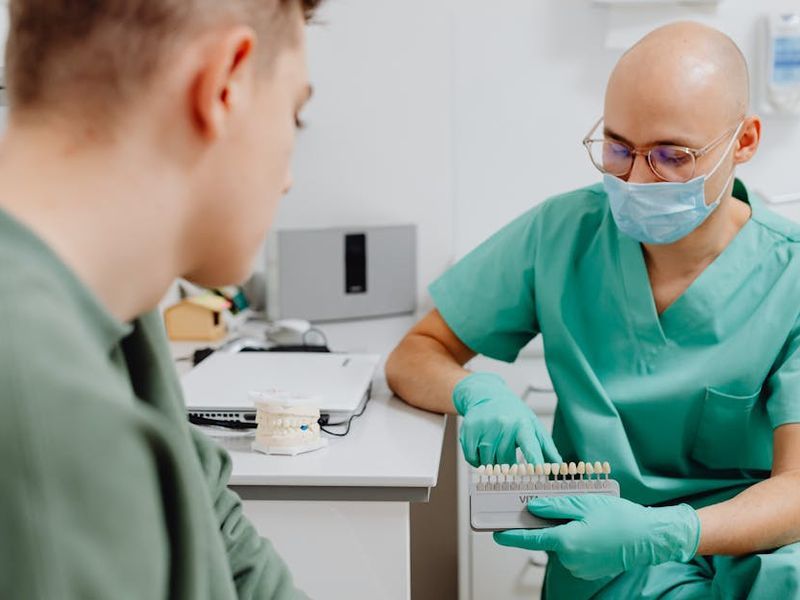
Cuenca’s dental clinics are often small to medium-sized, which translates into personalized, one-on-one care. You’ll frequently meet the same dentist for consult, surgery, and restoration phases rather than being passed between technicians. Clinics invest in modern sterilization, digital X-rays, intraoral scanners, and 3D printing for surgical guides—tools that increase accuracy and speed. Many practices also employ bilingual staff or patient coordinators who help arrange consultations, appointments, and local logistics.
Short waiting lists are another practical advantage. In many parts of the U.S., specialty dentistry can involve weeks or months of waiting. In Cuenca, you can commonly schedule implant placements, restorations, and follow-up visits within days, allowing you to plan a compact dental vacation with minimal downtime.
Treatment Timelines: How to Plan a Dental Vacation to Cuenca
Understanding the timeline helps you combine dental work with travel efficiently. Typical implant treatment involves a consultation and imaging visit, surgical placement of the implant, a healing period (often 2–4 months depending on bone quality), and then placement of the abutment and crown. Some clinics also offer immediate-load implants or provisional crowns that reduce time between stages.
Practical travel plan options:
- Short course: Two trips—initial consult and implant placement (5–7 days), then return after healing for final restorations (3–5 days).
- Dental vacation model: Combine the first visit with a week of light sightseeing, return after healing and stay a week while receiving crowns and final adjustments.
- Single-trip for specific procedures: Crowns and veneers can often be completed in one 7–10 day visit using digital workflows and local labs.
Cuenca as a Healing Environment: Why Recovery Feels Better Here
Recovery is a vital but often overlooked component of dental care. Cuenca’s mild, spring-like climate (average temperatures generally between 12–20°C) and comfortable elevation—about 2,560 meters (8,400 feet)—provide a serene backdrop for healing. The city’s tree-lined plazas, riverside promenades along the Tomebamba, and quiet colonial neighborhoods make low-impact activities pleasant and restorative.
Walking recovery-friendly zones such as the historic center around Parque Calderón, small cafés with outdoor seating, and gentle excursions to places like Cajas National Park or nearby artisan markets allow you to rest while enjoying one of Ecuador’s most beautiful cities. The combination of restful surroundings and easy access to pharmacies and follow-up clinics makes post-op care seamless.
Vacation Perks: Combine Dental Care with Culture, Nature, and Cuisine
One major advantage of dental tourism in Cuenca is the opportunity to combine medical care with an enriching vacation. Cuenca is a UNESCO World Heritage site with cobblestone streets, ornate churches, rooftop views, and museums. After a morning at the clinic, you can sample local cuisine—fresh produce, Andean specialties, and excellent coffee—without strenuous activity.
Low-impact day trips are abundant: gentle hikes and scenic drives in Cajas National Park, artisan workshops and markets where local craftsmen make everything from ceramics to woven goods, and riverfront strolls in the evenings. If you’re traveling with family or a partner, Cuenca provides cultural and natural activities that accommodate recovery needs while making the trip enjoyable.
Practical Tips for a Smooth Dental Vacation in Cuenca
Before you book, take these practical steps to ensure a safe and satisfying experience:
- Request a digital consult: Many clinics offer video consultations and can review X-rays or CBCTs before you travel, giving you a clear estimate and plan.
- Ask about materials and brands: Confirm which implant systems and ceramic materials will be used; reputable clinics will disclose lab partners and provide guarantees.
- Plan logistics: Fly into Mariscal La Mar Airport (CUE) via Quito or Guayaquil, or take a scenic bus if you prefer land travel. Arrange transport and accommodations close to the historic center for convenience.
- Budget time for healing: Even with immediate protocols, some healing time between major steps is normal; schedule two short trips or block enough time for a return visit.
- Check language support: If you prefer English, ask about bilingual staff or bring a translator app—many clinics provide patient coordinators to help foreigners.
- Bring documentation: Carry a printed treatment plan, prescriptions, and any medical history. Also consider travel and medical insurance that covers complications abroad.
Safety, Regulation, and Follow-Up Care
Safety standards in reputable Cuenca clinics meet international expectations. Look for strict sterilization protocols, patient reviews, and clear communication about risks, benefits, and alternatives. Many clinics provide written warranties or follow-up programs—some include periodic check-ins or discounted revisions if issues arise. Establish a clear follow-up plan: who you contact locally for concerns and how long post-op care is included in your fee.
If you anticipate further care once home, coordinate with your local dentist in advance. Most North American dentists are open to receiving treatment records and collaborating on a long-term maintenance plan.
How to Evaluate Clinics and Dentists in Cuenca
To choose the best clinic, review these criteria:
- Before-and-after galleries and consistent patient testimonials.
- Transparent pricing and itemized treatment plans.
- Evidence of digital imaging, CBCT, and guided-surgery protocols where appropriate.
- Clear communication about warranties and post-op follow-up.
- Patient coordinators who assist with logistics, transportation, and accommodations.
Use third-party reviews and ask for patient references, especially from international visitors. Many clinics welcome past-patient testimonials and will share contacts or video reviews.
The Bottom Line: Value, Quality, and an Unforgettable Recovery
Cuenca combines financial value and clinical quality in a way few places can match. The 60–70% cost savings relative to the U.S. and Canada are real and repeatable, but they aren’t the only reason to choose Cuenca. The city’s highly trained dentists, modern clinics, digital workflows, short wait times, and warm one-on-one care create a trustworthy environment for complex treatments like implants, crowns, and veneers.
When you add Cuenca’s tranquil recovery environment, cultural richness, and easy logistics, you get a dental vacation that’s both practical and restorative. If you’re planning a major dental procedure, Cuenca offers a compelling alternative: better value, high clinical standards, and the chance to recover in one of South America’s most beautiful cities.
Next Steps
Start with a digital consultation: gather your X-rays or recent dental records and contact a few Cuenca clinics to compare treatment plans and timelines. Ask specific questions about materials, guaranteed services, and post-op care. With the right planning, you can combine world-class dental work with an enjoyable, healing vacation—saving money and walking away with a lasting smile.