
Table of Contents
Turn dental work into a memorable getaway: Why Cuenca?
Imagine arriving in a UNESCO-listed colonial city, receiving top-tier dental implants from dentists trained at leading universities, and recovering in a mild mountain climate while exploring colorful markets and scenic parks. That’s the reality of dental tourism in Cuenca, Ecuador. For anyone considering implants, crowns or veneers, Cuenca combines dramatic cost savings, first-rate clinical care and a restorative vacation environment—making it one of the best places in the world for a dental vacation.
What makes Cuenca stand out for dental tourism?
Dental tourism is growing worldwide, but Cuenca offers a uniquely powerful package of benefits. Here are the pillars that consistently draw patients from the U.S., Canada and Europe:
Massive cost savings—60–70% less than the U.S. or Canada
One of the most compelling reasons to travel to Cuenca is the price. Procedures like dental implants, crowns and veneers typically cost 60–70% less compared to comparable care in the United States or Canada. Those savings often make high-quality, comprehensive work—such as full-mouth implant restorations—financially possible for people who otherwise would delay or forgo treatment.
World-class training and expertise
Cuenca’s dentists routinely graduate from top dental schools in Ecuador and many pursue advanced fellowships, residencies or continuing education in the U.S., Europe and other leading centers. Clinics emphasize specialization—implantology, prosthodontics, periodontics and cosmetic dentistry—so you’re treated by experts who use modern protocols and evidence-based techniques.
State-of-the-art clinics and technology
Modern Cuenca dental clinics feature 3D cone beam CT scanners, digital intraoral scanners, CAD/CAM milling, and guided implant surgery systems. These technologies streamline diagnosis, reduce chair time and improve surgical precision, delivering results comparable to the best clinics anywhere in the world.
Short wait times and personalized attention
Unlike busy practices in larger cities where you may wait weeks or months for an appointment, Cuenca clinics often offer faster scheduling and one-on-one care. Patients frequently report longer consults, individualized treatment plans, and direct access to their dentist—before, during and after the procedure.
Beautiful, calming recovery environment
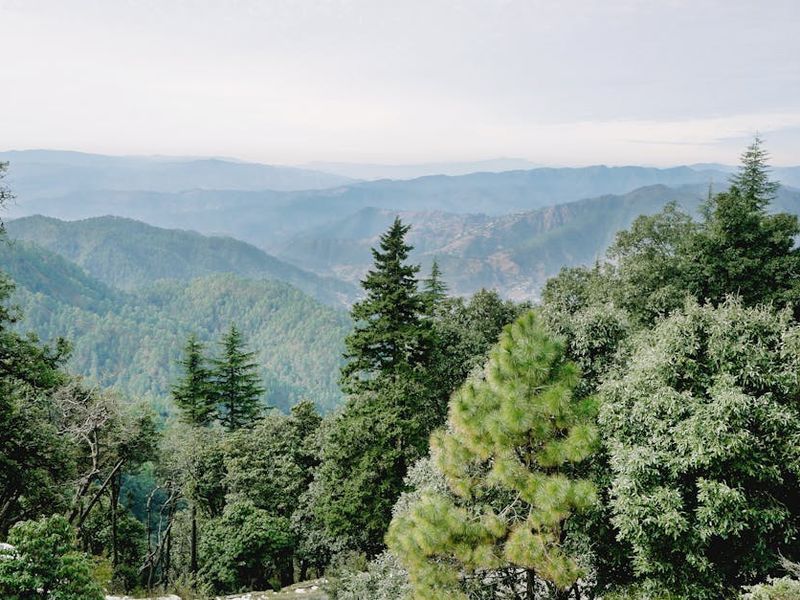
Cuenca’s pleasant climate, clean air, and pedestrian-friendly historic center create an ideal recovery setting. After implant surgery, low-stress surroundings, scenic walks and easy access to healthy food help patients recuperate comfortably while enjoying a culturally rich vacation.
How a dental vacation in Cuenca typically works
Planning a dental vacation in Cuenca is straightforward. Here’s a typical workflow that many patients follow:
- Initial contact and remote consultation: Send recent X-rays, photos and medical history via email or video call. Most clinics provide a preliminary treatment plan and an itemized quote remotely.
- Booking travel and lodging: Fly into Cuenca’s Mariscal La Mar Airport (CUE) or connect through Quito or Guayaquil. Book accommodations near the historic center or close to your clinic for convenience.
- On-site consultation and diagnostics: Your first visit will include in-office scans and a comprehensive exam to finalize the plan.
- Procedure and recovery: Surgery scheduling varies—single implants can be same-day while more complex full-mouth cases require staged visits separated by weeks or months.
- Follow-ups and warranties: Most clinics provide follow-up care and warranties for implants and prosthetics. Post-op checkups are typically scheduled before you leave Cuenca.
Sample 8–10 day dental vacation itinerary
One of the biggest advantages of a dental vacation is the opportunity to combine treatment with travel. Here’s a practical sample itinerary for a single or staged implant procedure that balances clinical needs with sightseeing and recovery time.
- Day 1: Arrive in Cuenca, settle into lodging near Parque Calderón, walk the historic center, early night to rest.
- Day 2: Initial in-person consult, digital scans, final treatment plan review; enjoy a gentle evening at a riverside café.
- Day 3: Implant surgery (minor sedation or local anesthesia), short rest at clinic, return to your accommodation for light meals and relaxation.
- Day 4–5: Low-intensity activities—visit the Cathedral, artisan markets, or the Museo Pumapungo. Gentle walks aid circulation without strain.
- Day 6: First postoperative check, suture removal if needed, scenic drive to the Cajas National Park for short, easy nature outings (altitude permitting).
- Day 7–8: Rest and recovery at a cozy B&B, optional short excursions to nearby hot springs or coffee farms; final pre-flight check with the dentist on Day 8.
This schedule can be adjusted for multi-implant or full-arch cases that require additional visits over several months. Many patients plan a second trip for the restorative phase (crowns or fixed prosthesis) once implants integrate.
Why Cuenca’s environment speeds recovery
Recovery after implants depends on both clinical skill and environment. Cuenca’s highland climate is temperate year-round—mild days, cool nights—which reduces swelling and discomfort more than humid, tropical environments. The city’s compact layout encourages short, gentle walks that improve circulation without overexertion. Clean air, abundant local produce, and access to healthy meals also support healing.
Practical tips before you book
Do your homework to ensure a good clinical and travel experience. Here are practical, actionable tips to plan your dental vacation to Cuenca:
- Verify credentials: Ask about dental degrees, specialties, continuous education, and memberships in professional associations. Many clinics list certificates and training on their websites.
- Ask for before-and-after galleries and patient references: Reputable clinics provide examples and connect you with recent patients.
- Request a detailed written quote: Ensure the price includes the implant, abutment, crown, imaging, follow-ups, and any potential lab fees.
- Confirm warranties and emergency follow-up: Ask what warranties cover and how the clinic handles complications once you’ve returned home.
- Plan for altitude: Cuenca sits at about 2,560 meters (8,400 feet). Most people adjust quickly, but bring time to acclimate, stay hydrated and avoid heavy exertion the first day.
- Arrange comfortable lodging nearby: Choose a hotel, guesthouse or Airbnb close to your clinic to minimize travel immediately after surgery.
- Bring medical records and your dentist’s instructions: Provide your Cuenca dentist with recent X-rays and records; take home a full treatment summary for your local dentist.
- Budget beyond the procedure: Include flights, lodging, local transport, meals, and a small emergency fund. Even with savings on treatment, add the cost of two short trips if staging is required.
Common procedures ideal for a dental vacation
Cuenca clinics specialize in a range of procedures well-suited to dental tourism:
- Single-tooth implants: Quick procedures with local anesthesia and short recovery—ideal for short stays.
- Implant-supported crowns and bridges: Excellent for replacing multiple missing teeth with durable prosthetics.
- Full-arch implant restorations: Economically attractive in Cuenca because of the big savings—many patients complete full-mouth cases that would be prohibitively expensive at home.
- Crowns and veneers: Cosmetic and restorative dentistry is widely available and often offered with high-quality materials and lab work.
- Bone grafting and sinus lifts: Advanced clinics handle complex preparatory procedures, though these can require staged visits.
How much can you save? Realistic examples
While exact prices vary by clinic and case complexity, here are realistic savings examples that illustrate why Cuenca is so popular:
- If a single implant (implant + abutment + crown) costs $3,500 in the U.S., a comparable quality option in Cuenca can often be 60–70% less, potentially saving you $2,100–$2,450 for that tooth.
- A full-arch implant-supported prosthesis, which might cost $40,000+ in North America, can be achieved in Cuenca for a fraction of the price—making full-mouth reconstruction accessible to many more people.
Those savings are why many people travel to Cuenca for multi-procedure cases or choose higher-end materials and additional aesthetic treatments while there.
Safety, language and practical concerns
Safety in Cuenca is generally high by Latin American standards. The city is tourist-friendly and accustomed to international patients. Most dental staff speak conversational to fluent English, and many clinics offer bilingual coordinators to manage appointments, transfers and lodging. Always confirm infection-control standards and read patient reviews. If you’re traveling alone, ask your clinic about airport pick-up and escorted transport.
Questions to ask your dentist before booking
Prepare a short list of questions to ensure confidence and clarity. Important questions include:
- What is your specific experience with this procedure and how many do you perform each year?
- Can you provide before-and-after photos and patient references?
- Which implant systems and materials do you use, and why?
- What does the quoted fee include and what is excluded?
- What is your complication protocol and warranty policy?
- Who will handle follow-up care if I return home and need assistance?
Patient scenarios: How people use their time in Cuenca
People come to Cuenca with different goals and budgets. Here are two typical scenarios:
- The single-implant traveler: Typically spends 7–10 days in Cuenca. Their schedule allows for a consult, surgery and a post-op check before returning home—perfect for minimal disruption to work and family life.
- The full-mouth restoration patient: Often plans a staged approach—one trip for extractions, grafts and implant placement, then a second visit for prosthetic placement after healing. The cost savings make that two-trip strategy much more affordable than staying local.
Final thoughts: Why Cuenca is hard to beat for dental vacations
Cuenca combines dramatic financial value with high clinical standards and a soothing travel experience. The city’s clinics use modern technology, skilled dentists, and patient-centered care to deliver outcomes that match or exceed expectations—at 60–70% lower costs than in North America. Add the charm of cobbled streets, the restorative mountain air, and the convenience of short wait times and personalized attention, and it’s clear why Cuenca is among the best places in the world for dental implant vacations.
If you’re considering implants, crowns or veneers, Cuenca offers a rare blend of clinical excellence and cultural enrichment. With thoughtful planning, clear communication with your chosen clinic, and time built in for recovery and exploration, your dental vacation can be both a life-changing healthcare decision and an unforgettable trip.
Next steps
Start by gathering recent dental records and X-rays, read patient reviews, and schedule a remote consultation with a respected Cuenca clinic. Ask about timelines, warranties and detailed pricing, then plan travel with an eye toward recovery-friendly lodging. With research and preparation, a dental vacation in Cuenca can deliver excellent dentistry, remarkable savings, and a restorative travel experience all at once.