
Table of Contents
Introduction: A Modern Shift in Cuenca’s Dental Care
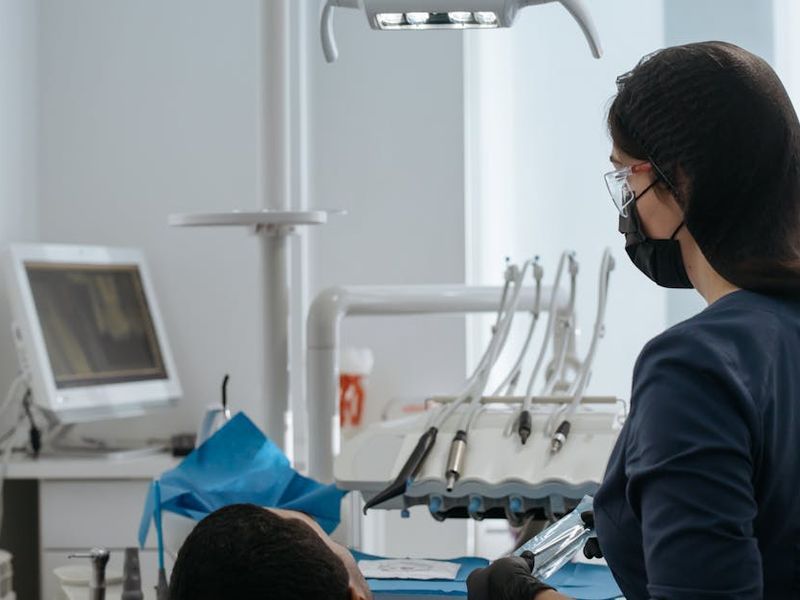
Cuenca’s dental scene has changed dramatically in the past decade. More clinics now offer digital dental x-rays, a technology that replaces film with sensors and computers to capture high-quality images of teeth, roots, and bones. For locals and expats alike, this is more than a technical upgrade — it affects diagnosis speed, radiation exposure, recordkeeping, and the ability to coordinate care across providers.
What Are Digital Dental X-Rays?
Digital dental x-rays use electronic sensors or digital imaging plates to capture radiographic images, which are then displayed on a computer screen. They include the familiar bitewing and periapical views, panoramic images, and more advanced 3D cone beam CT scans. The main difference from traditional film is that the image is captured instantly and can be manipulated on-screen for better viewing.
Types of Images You’ll See
- Bitewing: Used to detect cavities between teeth and check bone levels.
- Periapical: Shows the entire tooth from crown to root for root canal assessment.
- Panoramic: A wide image of the entire mouth; useful for wisdom teeth and jaw problems.
- Cone Beam CT (CBCT): A 3D scan used for implants, TMJ issues, and detailed bone analysis.
Top Advantages of Digital X-Rays for Patients in Cuenca
Digital x-rays bring tangible benefits, particularly in a city like Cuenca where expats often compare international standards of care.
Lower Radiation Exposure
Digital sensors are more sensitive than film, so exposure times are shorter. Clinics in Cuenca that use modern digital equipment typically expose patients to much less radiation per image than traditional film systems. For people who need multiple follow-ups or have young children, this is an important safety improvement.
Faster Diagnosis and Treatment Planning
Instead of waiting for film to be developed, the dentist can view images immediately on a computer screen. That means quicker decisions during your appointment — whether for fillings, extractions, or referrals. For expats on a tight schedule or those seeking quick second opinions, faster imaging makes care more efficient.
Better Image Quality and Enhanced Detail
Digital images can be enlarged, contrasted, and enhanced to reveal details that might be missed on film. This leads to more accurate diagnoses for cavities, fractures, and bone loss. Dentists in Cuenca can adjust brightness and contrast to spot early-stage problems, saving time and avoiding unnecessary treatment.
Improved Recordkeeping and Transferability
Digital files can be stored indefinitely, backed up, and shared electronically. If you move between clinics in Cuenca, travel abroad, or consult a specialist, your dentist can email or upload images for review. This is particularly helpful for expats who may need to coordinate care with providers in their home country.
Environmental Benefits
Film x-rays require chemicals for development that must be disposed of safely. Digital x-rays eliminate the need for these chemicals and reduce waste — a small but real environmental benefit that aligns with Cuenca’s growing focus on sustainability.
Practical Considerations for Expats in Cuenca
Knowing the advantages is useful, but how do you actually get the most out of digital dental x-rays in Cuenca? Here are practical tips to navigate the system and make informed choices.
How to Find Clinics With Digital Imaging
Many private dental clinics in neighborhoods like El Centro, Yanuncay, and near the university now advertise digital x-rays on their websites or social media. You can also check expat forums and Facebook groups for recommendations. Ask specifically whether they use digital sensors, panoramic machines, or CBCT if you need 3D imaging.
Ask About Radiation Dose and Safety Protocols
Even though digital x-rays lower exposure, it’s reasonable to ask how the clinic minimizes dose: Do they use lead aprons and thyroid collars? Are settings optimized for children? A modern clinic should be transparent about safety practices.
Bring Previous Images on a USB or Cloud Link
If you have past x-rays from another country or clinic, bring them on a USB drive or get your new dentist to send them to a cloud service. Comparing prior images with current ones provides the best view of how conditions are changing and helps avoid duplicate imaging.
Understand What’s Covered by Insurance or IESS
Private dental insurance plans and IESS (Ecuador’s social security system) have varying coverage for radiographs. Digital x-rays are often included when ordered for diagnosis or treatment, but advanced imaging such as CBCT may require additional authorization or higher co-pays. Check with your insurer or the IESS office to confirm benefits before scheduling advanced scans.
Costs and Value: What to Expect in Cuenca
Costs vary depending on the clinic, the type of image, and whether you choose a private or university-affiliated service. As a rough guide, single intraoral digital x-rays might be modestly priced while panoramic and CBCT scans are more expensive.
Many expats find the speed, convenience, and diagnostic precision make digital x-rays good value — especially when factoring in fewer repeat visits and the ability to avoid unnecessary treatments.
When You May Need Advanced Imaging
Basic digital bitewings and periapicals are sufficient for routine exams and cavity detection. However, certain conditions call for more advanced imaging that’s commonly available in Cuenca’s larger clinics and dental schools.
Implant Planning
CBCT provides the 3D detail necessary for implant placement. If you’re considering dental implants in Cuenca, ask whether the clinic uses CBCT for planning and whether they collaborate with experienced oral surgeons.
Complex Endodontics and Trauma
Root canal retreatments, unusual root anatomy, or facial trauma may require 3D imaging to visualize canals or fractures that 2D images miss. A dentist will recommend advanced scans only if they alter treatment strategy — a good sign of prudent care.
Language and Communication Tips for Expats
Language can be a barrier, but many Cuenca dentists speak English or work with bilingual staff. When you don’t share a language, ask for images to be annotated and saved so you can share them later with a dentist who speaks your language.
How to Ask the Right Questions
- Do you use digital sensors or film?
- Can I see the images on a screen during the appointment?
- Will you provide a digital copy I can keep?
- Do you have CBCT if needed for implants or complex cases?
Potential Downsides and How to Avoid Them
Digital x-rays are not without potential drawbacks. Overuse can occur if clinics rely on imaging rather than clinical exam, and advanced scans can be pricey. To protect yourself, choose clinics with good reputations, ask why an image is necessary, and request alternative options when appropriate.
Watch for Unnecessary Imaging
If a dentist recommends a panoramic or CBCT scan without clear justification, ask for an explanation of how it will change treatment. Most clinics in Cuenca strive to balance thorough diagnostics with affordability, but it’s wise to be an informed patient.
Where to Go: Clinics, University Services, and Specialists
Cuenca offers a range of options for digital imaging. Private clinics often provide rapid service with newer machines. Dental schools and university clinics can be cost-effective and are sometimes outfitted with modern equipment for training and research.
Specialty practices — such as oral surgery and endodontics — frequently invest in CBCT and advanced imaging. If you need complex care, ask for referrals to specialists who have the technology and experience to interpret the scans.
Final Checklist for Patients Seeking Digital X-Rays in Cuenca
- Confirm the clinic uses digital sensors, not film.
- Ask whether panoramic or CBCT is available if your case might require it.
- Check radiation safety measures like lead aprons and child protocols.
- Bring previous images or request digital copies to be sent to you.
- Verify insurance or IESS coverage for the type of imaging you need.
- Seek clinics with bilingual staff or ask for annotated images to share with foreign providers.
Conclusion: Safer, Faster, and More Connected Dental Care
Digital dental x-rays have changed the patient experience in Cuenca by making diagnostics faster, safer, and more collaborative. Whether you’re an expat settling in for the long term or a short-term resident, understanding how digital imaging works and how to access it will help you get better oral health outcomes. With a little preparation and the right questions, you can take full advantage of modern dental imaging in Cuenca and ensure that your care is precise, efficient, and well-documented.
Ready for your next dental visit? Ask about digital x-rays, bring your previous records, and choose a clinic that explains images clearly — so you leave with confidence in your treatment plan and a copy of your digital radiographs for the future.
Adam Elliot Altholtz serves as the Administrator & Patient Coordinator of the “Smilehealth Ecuador Dental Clinic“, along with his fellow Expats’ beloved ‘Dr. No Pain‘, right here in Cuenca, Ecuador, and for purposes of discussing all your Dental needs and questions, is available virtually 24/7 on all 365 days of the year, including holidays. Adam proudly responds to ALL Expat patients from at least 7:00am to 9:00pm Ecuador time, again every single day of the year (and once more even on holidays), when you write to him by email at info@smilehealthecuador.com and also by inquiry submitted on the Dental Clinic’s fully detailed website of www.smilehealthecuador.com for you to visit any time, by day or night. Plus, you can reach Adam directly by WhatsApp at +593 98 392 9606 -or by his US phone number of 1‐(941)‐227‐0114, and the Dental Clinic’s Ecuador phone number for local Expats residing in Cuenca is 07‐410‐8745. ALWAYS, you will receive your full Dental Service in English (NEVER in Spanish), per you as an Expat either living in or desiring to visit Cuenca by your Dental Vacation, plus also to enjoy all of Ecuador’s wonders that are just waiting for you to come arouse and delight your senses.