
Table of Contents
Introduction: A Quiet Revolution in Cuenca’s Dental Offices
If you’ve spent time in Cuenca’s shaded plazas, you may have noticed modern dental clinics replacing older storefronts in the city center. One important change behind the scenes is the move from traditional film-based radiography to digital dental x-rays. This shift matters for everyday oral health, offering faster results, lower radiation, and better communication with specialists — benefits that are especially helpful for expats and locals managing care in a new city.
What Are Digital Dental X-Rays?
Digital dental x-rays capture images electronically through a digital sensor (often CMOS or CCD technology) instead of exposing photographic film. These images appear instantly on a computer screen, can be enhanced with software tools, and are stored in electronic patient records. Digital radiography includes common intraoral images — bitewings and periapical films — as well as panoramic x-rays and three-dimensional cone-beam CT (CBCT) scans used for implant planning and complex cases.
Top Benefits for Patients in Cuenca
There are practical advantages that matter locally. Here are the most relevant benefits for residents and expats in Cuenca:
- Lower radiation exposure: Digital sensors require much less x-ray exposure than old film systems, reducing cumulative dose especially for patients who need frequent monitoring.
- Immediate results: No darkroom waiting — images display in seconds, letting dentists review findings and plan treatment during the same appointment.
- Enhanced diagnosis: Software tools allow dentists to zoom, adjust contrast, and measure distances more accurately than film, improving detection of cavities, bone loss, and root problems.
- Improved record keeping: Digital files integrate into electronic health records, making follow-up easier and reducing lost films.
- Easy sharing for referrals: If you need a specialist in Quito, Guayaquil, or abroad, digital files are emailed or uploaded quickly, speeding second opinions and treatment coordination.
- Eco-friendly: No chemical film processing means fewer hazardous wastes in local clinics.
Why This Matters for Expats and Long-Term Visitors
Cuenca has a growing community of retirees and remote workers who see American or European-style dental care as important to their quality of life. Digital x-rays support continuity of care when you move between countries or see specialists. You can request electronic copies (PDFs or DICOM files) and bring them to appointments anywhere — a major convenience if you plan to travel between Cuenca and your home country.
Where You’ll Find Digital X-Rays in Cuenca
Many modern dental clinics near Parque Calderón and in neighborhoods such as El Centro Histórico, El Vergel, and around Avenida de las Américas offer digital imaging. Larger clinics and dental centers serving international patients are more likely to have panoramic units and CBCT. When searching, look for clinic websites that mention “radiografía digital,” “radiografía panorámica digital,” or “TAC dental/CBCT.”
What to Ask Your Cuenca Dentist Before Getting X-Rays
Not all digital systems are equal. Here are practical questions to help you choose a clinic and feel confident about your care:
- Do you use digital sensors or phosphor plates?
- What is the radiation dose compared to conventional film?
- Can I receive a copy of my x-rays by email or on a USB drive?
- Do you provide panoramic or CBCT imaging if needed?
- Are images stored in an electronic record and for how long?
- Can I see the images with you during the appointment so you can explain findings?
Typical Costs and What to Expect Financially
Costs in Cuenca are generally lower than in the U.S. and Europe, but prices vary by clinic and equipment. Expect the following ballpark ranges (USD) across Cuenca, keeping in mind these are estimates and subject to change:
- Single intraoral digital x-ray (periapical or bitewing): modest fee, often included with a dental exam or around a low double-digit amount.
- Full-mouth series (set of multiple intraoral images): higher but usually still economical compared with international rates.
- Panoramic digital x-ray: a mid-range charge used for broader evaluation of jaws and teeth.
- CBCT (3D scan): highest cost and used selectively for implant planning, impacted teeth, or complex pathology.
Before receiving imaging, ask for a written estimate. Many clinics provide transparent pricing, and some offer package discounts for treatment plans that include imaging.
Safety Considerations: Pregnancy, Children, and Frequency
Digital radiography lowers radiation, but safety precautions remain standard. Pregnant patients should inform the dental team — most routine dental x-rays are deferred unless urgent, and when necessary, lead aprons and thyroid collars are used. For children, dentists follow ALARA principles (as low as reasonably achievable) and take only the images necessary. If you need frequent monitoring (for orthodontics, implants, or chronic conditions), discuss a plan to balance diagnostic needs with minimizing exposure.
How Digital X-Rays Improve Patient Education
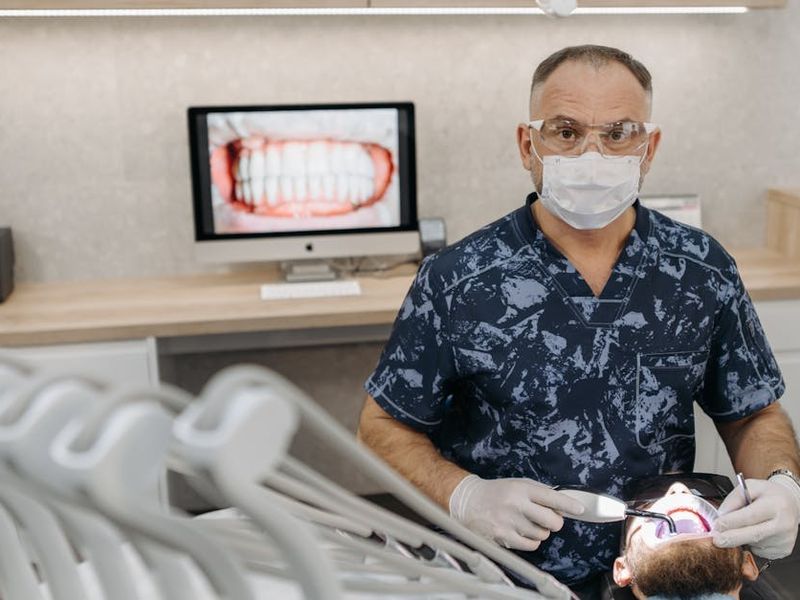
One of the most tangible benefits is seeing — and understanding — your own dental images. Dentists in Cuenca commonly show patients their x-rays on-screen, using simple software to highlight decay, root anatomy, or bone loss. This visual approach helps expats without a dental background make informed choices and reduces surprises during treatment.
Tele-Dentistry and Remote Collaboration
Cuenca dentists often collaborate with specialists in Quito or outside Ecuador for complex cases. Digital x-rays enable tele-dentistry consultations where files are shared securely, and specialists can provide input without requiring a patient to travel. If you’re an expat who travels, this is a major convenience: you can have an initial evaluation in Cuenca and get a specialist’s plan remotely.
Limitations and When Film Might Still Be Used
Although digital x-rays are widely superior in many ways, a few situations can lead a dentist to use alternative methods. Some older clinics may still use film for cost reasons. In rare diagnostic scenarios, special film techniques could be preferred by a specialist. However, digital technology is now the norm in newer clinics throughout Cuenca, and any decision to use film should be explained clearly.
Choosing the Right Clinic: Practical Tips for Expats
Finding the right dental provider in a new city can feel daunting. Use these tips to select a clinic in Cuenca that fits your needs:
- Read recent online reviews and expat forums — they often mention imaging equipment and bilingual staff.
- Look for clinics that display accreditation or professional membership logos on their website.
- Call ahead to ask about digital x-rays, image delivery options (email/USB), and whether staff speak English if you prefer it.
- Request a written treatment plan that includes imaging costs and follow-up appointments.
- Observe infection-control practices during your visit; modern radiography goes hand-in-hand with up-to-date sterilization.
Integration with Treatment: How Imaging Guides Care
Digital images play a central role in treatment planning. For example, bitewing images help identify interproximal cavities early, periapical films assess root health before endodontic therapy, and panoramic or CBCT images guide implant placement with precise measurements. In Cuenca, dentists offering implants or orthodontics will normally include digital imaging in the diagnostic phase — if a clinic tries to proceed without recent images, ask why.
Storing, Backing Up, and Transporting Your Images
Digital radiographs are valuable personal health records. Ask the clinic to provide copies and keep your own backups. Many dentists will email a PDF or DICOM file; save these to a secure cloud drive or an external hard drive. Keeping organized files helps if you change clinics or seek treatment outside Ecuador — it preserves continuity and avoids repeat imaging.
Final Thoughts: Modern Care, Local Flavor
Digital dental x-rays are more than a technical upgrade; they reshape how dental care is delivered in Cuenca. Faster diagnostics, safer imaging, and easier collaboration give patients — especially expats — more control over their oral health. As the city’s dental scene continues to modernize, you can expect improved comfort, clearer communication, and more efficient treatment planning when you choose a clinic that invests in digital radiography. When in doubt, ask questions, request digital copies, and choose a provider who explains images clearly so you feel confident about each step of your care.
Quick Checklist Before Your Next Dental X-Ray in Cuenca
- Confirm the clinic uses digital radiography (intraoral, panoramic, or CBCT as needed).
- Ask for an estimate that includes imaging fees.
- Request digital copies (email/USB) and back them up yourself.
- Inform staff if you are pregnant or have specific health concerns.
- Bring a list of previous dental records or images, if available.
With these points in mind, you’ll be ready to take advantage of the technological improvements shaping dental care in Cuenca — ensuring safer diagnostics, better communication, and smoother treatment whether you’re a long-time resident or newly arrived.