
Table of Contents
Introduction: A Digital Shift in Cuenca’s Dental Clinics
Cuenca has long been on the map for expats seeking quality, affordable healthcare. In recent years a quieter technological revolution has been taking place in dental clinics across the city: the widespread adoption of digital dental X‑rays. From small private practices near the Parque Calderón to modern clinics in residential neighborhoods like El Vergel, digital imaging is changing how dentists diagnose, plan treatment and communicate with patients—especially expats who value speed, documentation and telehealth options.
What Are Digital Dental X‑Rays?
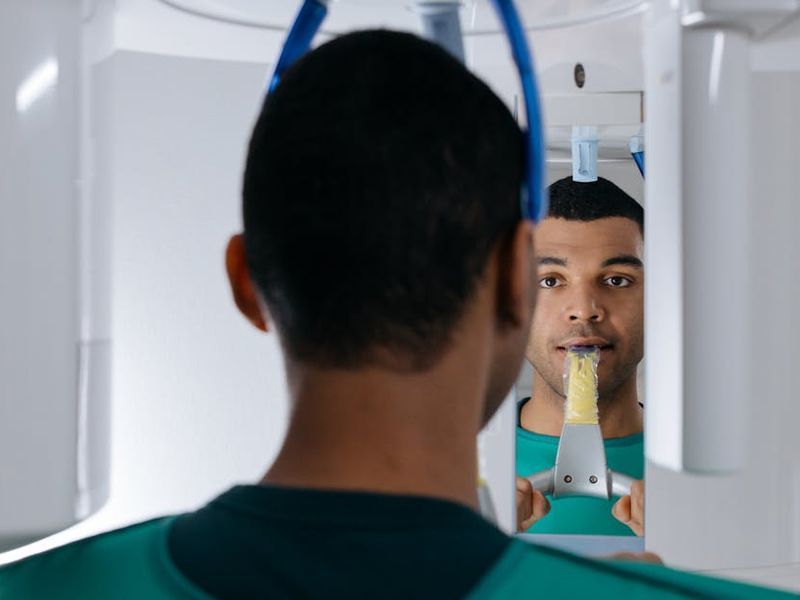
Digital dental X‑rays replace traditional film with electronic sensors or phosphor plates to capture images of teeth, roots and jaw structures. The files are immediately viewable on a computer or tablet, can be enhanced for clarity, and saved in standard formats that make sharing and long‑term record keeping simple. The same term covers both conventional 2D images (bitewings, periapicals, panoramics) and three‑dimensional cone beam CT (CBCT) scans used for complex planning.
Top Advantages for Patients in Cuenca
The move to digital X‑rays brings several concrete benefits, many of which resonate strongly with Cuenca’s mix of local and international patients.
- Lower radiation dose — Digital sensors require less radiation than film, a big comfort for those who need periodic imaging or are concerned about cumulative exposure.
- Faster results — Images appear instantly, reducing chair time and allowing dentists to explain findings while you’re still in the office.
- Clearer diagnoses — Software tools can magnify, adjust contrast and measure distances, helping detect small cavities, bone loss or root issues earlier.
- Better record keeping — Digital files are easy to archive and retrieve, useful for follow-ups, second opinions, or insurance claims.
- Eco‑friendly — No chemical developers or physical film mean less hazardous waste—something that aligns with Cuenca’s growing sustainability awareness.
- Improved communication — Dentists can email or upload images to patient portals—particularly helpful for expats who consult specialists abroad or want to keep a digital copy of their dental history.
Why This Matters to Expats Living in Cuenca
As an expat you’ll appreciate practical advantages beyond the clinical improvements. Digital images are easy to forward to a dentist or orthodontist in another country; they make it simpler to coordinate care if you travel; and they often speed up treatment—useful for those on short visits. Many English‑speaking dentists in Cuenca use digital systems and will happily provide images and written reports in English if requested.
How Digital X‑Rays Improve Specific Treatments
Different dental procedures benefit uniquely from digital imaging:
- Fillings and preventive care — High‑resolution bitewings reveal early interproximal caries that are invisible on the surface.
- Endodontics (root canals) — Periapical digital images help map canal anatomy and verify root filling length and density.
- Implants — CBCT gives a 3D view of bone volume and nerve location for safer implant placement.
- Orthodontics — Panoramic and cephalometric digital images aid treatment planning and progress tracking.
- Periodontal care — Precise bone level measurements on digital images help monitor gum disease over time.
Safety and Regulations in Ecuador: What You Should Know
Dental radiology in Ecuador is overseen by national health authorities, and reputable clinics follow radioprotection norms that limit exposure and require proper operator training. If you’re concerned about safety, ask the dental office about their quality controls: whether they use lead aprons, thyroid collars, how often equipment is calibrated, and whether staff have radiology training. Good clinics will be transparent and willing to show proof of maintenance or certifications.
Common Digital Systems and Terminology You’ll Hear
When you visit a dentist in Cuenca you may hear terms like “periapical” (for single tooth detail), “bitewing” (for checking between teeth), “panoramic” (a broad jaw overview), or “CBCT” (cone beam computed tomography for 3D images). Sensors may be described as “direct digital” (fast, low dose) or “phosphor plate” systems (slightly slower, still digital). Don’t hesitate to ask the dentist to explain which system they use and why it’s best for your case.
Practical Tips for Getting Digital X‑Rays in Cuenca
Here are actionable tips to make the process smooth whether you’re a long‑term resident or visiting from abroad:
- Bring prior records — If you have previous X‑rays (digital or film), bring them on a USB or request electronic copies from your former dentist. Comparison images help with accurate diagnosis.
- Ask for your files — Request a digital copy by email or USB. This is useful for travel, seeking second opinions, or insurance purposes.
- Check language options — If you prefer English, ask whether the staff or dentist speaks English; many professionals in Cuenca’s central clinics accommodate expats.
- Confirm price and payment — Digital periapical or bitewing X‑rays usually cost less than a full panoramic or CBCT. Ask up front whether prices are listed in USD, and whether cards are accepted.
- Disclose pregnancy — Always tell the clinic if you’re pregnant. Dentists can postpone non‑urgent X‑rays or use extra shielding when necessary.
- Check for accreditation — Look for a licensed dentist (médico odontólogo) and a clean, well‑organized radiology area. Online reviews, expat forums and local Facebook groups are useful resources.
Costs and What to Expect in Cuenca
Costs vary with the type of image and the clinic’s location. As a general guideline, basic intraoral digital X‑rays (periapical or bitewing) tend to be inexpensive, panoramic images are moderately priced, and CBCT scans are the most expensive due to their complexity. Many clinics in Cuenca offer package prices for new patient exams that combine X‑rays, cleaning and consultation. If budget is a concern, ask clinics for an itemized quote and whether they offer installment plans or discounts for package treatments.
Tele‑Dentistry and Remote Consultations
One of the real advantages of digital images is the ease of remote consultation. If your dentist wants a specialist’s opinion—say an oral surgeon for an implant or an endodontist for a tricky root canal—they can send the images electronically and receive expert feedback quickly. This is particularly helpful in Cuenca for expats who may prefer a second opinion from a specialist in Quito or abroad. Some clinics even arrange video consultations with the specialist while you’re in the chair, using the digital images as a shared reference.
Limitations and When Film Still Matters
Although digital X‑rays offer many benefits, no imaging method is perfect. Metal restorations can cause artifacts that obscure detail in digital images, and occasionally a dentist may request a specific film‑type or higher‑resolution scan for certain forensic or research situations. Still, these cases are rare—most routine and complex dental work in Cuenca is handled effectively with modern digital imaging.
Choosing a Clinic in Cuenca: Questions to Ask
When selecting a dental clinic, asking the right questions will help you judge competence and fit:
- Which digital imaging systems do you use (sensor, phosphor plate, CBCT)?
- Can I have the digital images sent to me by email or provided on a USB?
- How do you manage radiation safety and equipment calibration?
- Do you provide written reports in English if needed?
- Are there examples of cases you’ve treated with digital imaging?
Success Stories: Improved Care in Everyday Practice
Across Cuenca, dentists report that digital imaging has cut down misdiagnoses, shortened appointments, and improved patient buy‑in for treatment plans. Patients, in turn, appreciate seeing their issues on the screen and understanding the rationale behind recommended treatments. For expats, the ability to obtain a digital archive of dental records has been a game changer—especially for those who rotate between countries or plan extensive dental work while visiting Cuenca.
Future Trends: What’s Next for Dental Imaging in Cuenca
Expect continued integration between digital imaging, electronic health records, and AI‑assisted diagnostic tools. Some clinics are beginning to explore software that highlights suspicious areas or automates measurements, speeding up workflows. As costs fall and technology becomes more accessible, 3D imaging and digital workflow for crowns, implants and orthodontics will likely become commonplace even in smaller practices.
Final Thoughts: Making the Most of Digital Dental X‑Rays
If you live in Cuenca or are considering dental care here, digital dental X‑rays represent a meaningful improvement in safety, convenience and diagnostic power. They make follow‑up simpler, facilitate second opinions, and fit well with the needs of a mobile, international patient base. Take advantage of the digital era by asking for copies of your images, requesting clear explanations from your dentist, and using community resources to find clinics that match your expectations for technology, language and price. With these steps you’ll be better equipped to benefit from modern dental imaging while enjoying life in Cuenca.
Quick Checklist Before Your Appointment
- Bring ID and any previous dental records or X‑rays (digital if possible).
- Ask whether the clinic provides images on USB or by email.
- Disclose pregnancy and any relevant medical history.
- Request details about the type of imaging and associated costs.
- Confirm language support if you need English explanations.
Digital dental X‑rays are not just a technological upgrade—they are a practical, patient‑focused tool that helps dentists in Cuenca deliver faster, safer and more transparent care. Whether you’re an expat managing health from afar or a local resident prioritizing preventive dentistry, the digital shift is one reason Cuenca continues to be a top destination for thoughtful, modern healthcare.
Adam Elliot Altholtz serves as the Administrator & Patient Coordinator of the “Smilehealth Ecuador Dental Clinic“, along with his fellow Expats’ beloved ‘Dr. No Pain‘, right here in Cuenca, Ecuador, and for purposes of discussing all your Dental needs and questions, is available virtually 24/7 on all 365 days of the year, including holidays. Adam proudly responds to ALL Expat patients from at least 7:00am to 9:00pm Ecuador time, again every single day of the year (and once more even on holidays), when you write to him by email at info@smilehealthecuador.com and also by inquiry submitted on the Dental Clinic’s fully detailed website of www.smilehealthecuador.com for you to visit any time, by day or night. Plus, you can reach Adam directly by WhatsApp at +593 98 392 9606 -or by his US phone number of 1‐(941)‐227‐0114, and the Dental Clinic’s Ecuador phone number for local Expats residing in Cuenca is 07‐410‐8745. ALWAYS, you will receive your full Dental Service in English (NEVER in Spanish), per you as an Expat either living in or desiring to visit Cuenca by your Dental Vacation, plus also to enjoy all of Ecuador’s wonders that are just waiting for you to come arouse and delight your senses.