
Table of Contents
Why your choice of neighborhood matters more than you think
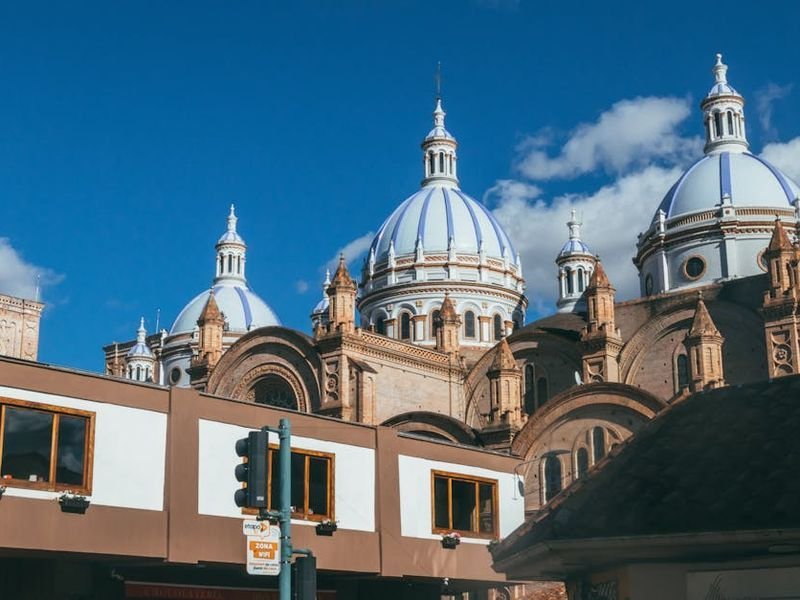
Cuenca’s charm comes from compact, walkable neighborhoods laid over a river valley of cobbled streets and red-tiled roofs. Choosing where to stay shapes everything: morning walks along the Tomebamba, late-night dining options, proximity to museums and how much time you spend in taxis. The most popular areas are the Centro Histórico (around Parque Calderón), El Centro near the New Cathedral, San Blas for artist studios and views, and the quieter residential neighborhoods to the south like Parque Industrial and Yanuncay for longer stays and local life.
For first-time visitors who want the postcard Cuenca experience, the Centro Histórico is unbeatable: you’re steps from the Cathedral, markets, and many restaurants. If you’re a digital nomad or family staying longer, look for apartments or mid-range hotels slightly off the tourist loop in neighborhoods like Huayna Cápac or Av. De las Américas, which give better value and quieter nights.
How to pick a place: five quick decision factors
- Walking distance: If you plan to sightsee, choose within 10–15 minutes of Parque Calderón.
- Noise level: The historic center hums until late — if you’re a light sleeper, seek side streets or higher floors.
- Hot water & heating: At 2,500+ meters elevation the nights cool off; test hot water policies and ask if rooms have heaters or electric blankets.
- Wi-Fi reliability: Essential for remote work; ask for speeds or look for properties that advertise coworking spaces.
- Transport links: Proximity to the bus terminal or a quick taxi to the Mariscal Lamar airport can be handy if you plan day trips.
Best options for budget travelers and backpackers
Cuenca has a lively hostel scene that blends colonial charm with social common areas. Budget travelers should expect dorm beds from around $8–20 USD per night and private rooms from $20–45 USD. The best hostels offer lockers, kitchens, free walking tours or maps, and often a rooftop terrace for evening gatherings.
Look for hostels clustered around the north side of the historic center and near the bus terminal if you’re arriving late. Popular features include:
- Communal kitchens to keep costs low and meet other travelers
- Free coffee and local tips from staff
- Organized day tours to Cajas National Park or the nearby pottery town of Gualaceo
Tip: if you want quiet but social vibes, choose a hostel on a sidestreet rather than one directly on Parque Calderón — you’ll still be close but with less street noise.
Smart mid-range hotels: balance comfort and cost
Mid-range hotels in Cuenca are where value shines. Expect polished boutique hotels, family-run inns, and small chains offering comfortable double rooms with breakfast included for about $40–90 USD per night. These properties often occupy historic buildings with charming courtyards, helpful multilingual staff and better in-room amenities like reliable hot showers and stronger Wi-Fi.
If you’re traveling as a couple or with family, pick a mid-range hotel with breakfast included and a central location to avoid hourly taxi costs. Many of these hotels can book guided tours, airport transfers and laundry services — useful for travelers who want convenience without the luxury price tag.
Where to splurge: boutique and luxury hotels in Cuenca
Cuenca’s luxury options are intimate rather than skyscraping. Upscale hotels often occupy restored colonial mansions with high-end restaurant kitchens, rooftop terraces with cathedral views, in-room heating systems and concierge-style service. Expect prices starting around $120 USD and rising for suites or special packages.
Choose luxury if you want a refined stay near the heart of the action: large hotels provide private transfers from Mariscal Lamar Airport and can arrange tailored experiences like private city tours, chef’s tables, and day trips to indigenous markets. Many upscale hotels sit within 5–10 minutes’ walk of museums, artisan markets and the Tomebamba riverfront.
Recommendations for specific traveler types
Families
Families prioritize space and ease. Look for apartments or family rooms in mid-range hotels, ideally with a kitchenette. Properties near parks (Parque de la Madre or near Yanuncay) offer outdoor space for kids. Ask about connecting rooms and child-friendly breakfasts; many hotels will provide baby cots on request.
Digital nomads and longer stays
If you’re working remotely, Wi-Fi and a quiet workspace are crucial. Choose a boutique hotel advertising work desks, a café with reliable internet, or a co-living space that caters to long-term guests. Monthly apartment rentals are common and affordable when you plan to stay several weeks.
Couples and honeymooners
Opt for a room with a balcony overlooking the city’s tiled roofs or a rooftop terrace with a view of the New Cathedral. Boutique hotels in San Blas combine intimacy with easy access to artisan galleries and romantic evening strolls along the river.
Seniors and those with mobility needs
Cuenca’s historic streets can be uneven; when mobility is a concern, request ground-floor rooms or hotels with elevators and ask about bathroom accessibility. The newer hotels and many mid-range properties near modern avenues are generally easier to navigate than the oldest colonial houses.
How to find the best deals and when to book
Cuenca’s rates fluctuate with season and local events. High season tends to be during major holiday periods and weekends when Ecuadorians travel domestically. Booking 3–8 weeks ahead usually secures good mid-range rates; for festivals or long holidays, reserve earlier.
Use a mix of booking platforms and direct hotel contact. The best deals sometimes come directly from a hotel’s website or by emailing to request a long-stay discount. For hostels, check community reviews and recent photos — hostel quality can change fast.
Getting to and around your accommodation
Mariscal Lamar Airport is about a 20–30 minute drive to the historic center. Fixed-price taxis and app-based rides (where available) offer straightforward transfers — expect roughly $8–15 USD depending on luggage and time of day. Many hotels provide airport pickups for a small additional fee, which can be worth it if you arrive late.
Inside the city, taxis are inexpensive for short hops and can be hailed from the street or by phone. Cuenca also has a modern tram line that connects southeast neighborhoods with downtown — a clean, reliable way to travel during the day. For the most authentic experience, explore the historic center on foot and save taxis for hillier neighborhoods or late-night returns.
Local tips to make your stay smoother
- Cash and currency: Ecuador uses the US dollar, so most businesses accept cash and cards; tip in small cash amounts for bell service and guides.
- Altitude & comfort: Cuenca sits at around 2,500–2,600 meters; take it easy on the first day, hydrate and avoid overexertion.
- Ask about breakfast hours: Ecuadorian breakfast often starts early; if you plan a sunrise outing, confirm the hotel will offer a to-go option.
- Safety: Cuenca is one of Ecuador’s safer cities, but standard precautions with valuables, especially in crowded markets, are sensible.
- Laundry services: Many hotels and hostels offer same-day laundry for a modest fee — useful for long trips.
Sample three-day stay: where to be and why
Day 1: Check into a centrally located mid-range hotel — drop your bag and stroll to Parque Calderón, visit the New Cathedral, and enjoy dinner on a terrace overlooking the plaza. A centrally located hotel minimizes taxi time and lets you absorb the city’s evening ambiance.
Day 2: If you’re outdoorsy, head to Cajas National Park for hiking and highland lakes; book a tour from your hotel or a hostel that offers day trips. For a more relaxed day, visit artisan neighborhoods like San Blas and the Museo Pumapungo nearby.
Day 3: Explore markets and pottery towns like Chordeleg for silverwork and Gualaceo for textiles; pick accommodations with luggage storage if you’ll shop heavily. End the day with a riverfront walk along the Tomebamba.
Sustainable and locally-minded stays
Cuenca has an increasing number of hotels and hostels emphasizing local sourcing, reduced plastic use and community involvement. When booking, ask about the property’s environmental policies: do they use local produce in their restaurants, employ local staff, support community projects or have energy-conserving amenities? Staying at community-minded lodgings helps the local economy and often provides a richer cultural exchange.
Final checklist before you book
- Confirm your cancellation policy and whether rates include breakfast, taxes and Wi-Fi.
- Check exact location on a map — a short uphill walk can add unexpectedly to travel time in Cuenca.
- Verify hot water and heating if you’re sensitive to cold nights.
- Read recent guest reviews (last 3 months) for honest updates on cleanliness and service.
- Ask hotels about airport transport and day-trip booking assistance.
Wrapping up: pick the stay that matches your pace
Cuenca rewards slow travel — pick your accommodation not just for price but for how it supports the experience you want: social hostels for meeting new people, mid-range hotels for comfort and convenience, or boutique properties for a memorable, quieter immersion in the city’s colonial charm. With practical planning and a sense of neighborhood priorities, you’ll find a stay that fits your budget without missing any of what makes Cuenca special.
Ready to book? Start by narrowing neighborhoods, set your budget range, check recent reviews and contact accommodations directly for the best rates — and get excited: Cuenca’s cobbled streets and warm cafés are waiting.