
Table of Contents
Why Cuenca Is a Great Base for Active Expats
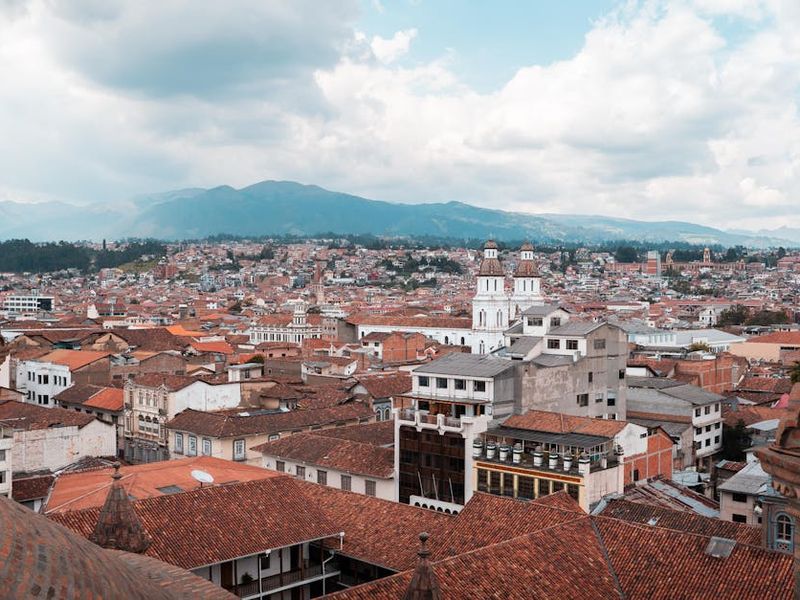
Cuenca, perched high in the Andean Ecuadorian highlands, offers an unexpectedly rich sports scene for newcomers. Its compact size, mild climate, and extensive riverfront parks make it easy to find places to run, cycle, swim, play team sports or practice yoga. Add nearby mountainous terrain — including the spectacular Parque Nacional Cajas — and you have options for every fitness level and interest.
Before diving into details, keep in mind two important realities: altitude and a slower pace of life. Cuenca sits at about 2,500 meters (8,200 feet), so expect your heart rate to be higher on hard efforts at first. Also, many facilities operate on flexible schedules and local membership practices that reward patience and relationship-building.
Municipal Sports Complexes: Affordable and Accessible
The municipality runs several public sports centers that are ideal for expats on a budget. These complexes typically include soccer fields, multipurpose courts, basic gym equipment, and outdoor running tracks. Fees are low compared to private clubs — often just a few dollars per session or a modest monthly pass.
Where to look: head to the municipal sports office (Consulta en la Alcaldía de Cuenca or search “Deportes” on the city’s website) to learn current programs for adults, from lap swimming to aerobics and organized leagues. These centers also host youth programs, which is convenient for expat families.
Practical Tips for Using Municipal Facilities
- Bring your ID and be ready to fill out a registration form — many centers require a simple waiver.
- Practice basic Spanish for smoother communication; staff and instructors may have limited English.
- Visit during off-peak hours (late morning or mid-afternoon) for quieter training sessions.
Private Gyms, CrossFit Boxes and Boutique Studios
If you prefer private facilities, Cuenca has a growing selection of fitness centers and studios. Options range from full-service gyms with strength and cardio equipment to specialized CrossFit affiliates, boxing gyms, and yoga studios. Memberships vary: expect monthly fees roughly between $20–$60 for most mid-range gyms, while specialty studios (CrossFit, Pilates or boutique cycling) may charge $60–$120 per month or class packages.
Many gyms offer short trial passes, day rates for travelers, and personal training if you want structured workouts while adapting to altitude. Look for places near busy neighborhoods such as El Centro (historic downtown), El Batán, and the northern neighborhoods to be close to services and transportation.
How to Pick the Right Studio
- Try a few drop-in sessions — most studios let newcomers test classes before committing.
- Check equipment quality and hygiene; newer private facilities tend to be cleaner and better-equipped than older municipal centers.
- Ask about class sizes and whether instructions are in Spanish or bilingual.
Outdoor Running and Riverfront Routes
Cuenca’s rivers — especially the Tomebamba and Yanuncay — are lined with attractive linear parks that are favorites for runners and walkers. These well-maintained paths offer flat, shaded sections ideal for recovery runs and tempo efforts at lower risk of traffic interruptions.
Common running loops include routes around Parque Calderón, along the Tomebamba upstream toward the north, and circuits through neighborhoods like El Centro and San Sebastián. For longer runs, head to quieter residential streets in El Batán or the upper districts where elevation gain is easier to find.
Safety and Timing
- Run during daylight. Early mornings are popular but may feel chilly at altitude; evenings are lively but choose well-lit, busier routes.
- Bring water and sun protection — Cuenca has intense UV even on cool days.
- Join running groups (find them on Facebook or local expat community boards) for guided routes and company.
Cycling: From City Cruisers to Mountain Biking
Cycling culture in Cuenca is vibrant. The city’s relatively small size invites urban commuting by bike, and there are dedicated bike lanes in parts of town. For road cyclists, the surrounding Andes offer scenic climbs and rolling routes that can keep you busy for months. Mountain bikers can access trails around the city and breathtaking singletrack in nearby higher-elevation areas.
Popular outings often head toward Turi for panoramic views of the city or out to the rural roads north and south of Cuenca for longer efforts. Cajas National Park, about an hour’s drive away, is a premier destination for both road and trail cycling, with alpine lakes and dramatic terrain.
Rentals, Repairs and Community Rides
- Look for local bike shops that rent bikes and offer maintenance; many shops also organize group rides and can recommend routes based on fitness level.
- If you bring your own bike, learn the names of trusted mechanics — spare parts are available but sometimes limited compared to larger cities.
- Wear bright clothing and use lights if riding during twilight; mountain passes can be foggy and cool.
Hiking, Trekking and High-Altitude Training
One of Cuenca’s biggest natural advantages is proximity to Parque Nacional Cajas. With hundreds of glacial lakes, high moorlands (páramo) and well-marked trails, Cajas is excellent for day hikes, overnight treks, and altitude acclimatization. Trails range from easy loops near the park entrance to multi-day routes crossing high saddle passes.
Local outdoor outfitters offer guided hikes if you prefer a planned itinerary or want to learn local ecology. Guided tours can include transportation, park permits, and expert advice on weather and gear.
Safety and Preparedness for Cajas
- Weather changes quickly in the high Andes; carry layers, rain gear, and warm clothing even on sunny mornings.
- Bring high-energy snacks, map/GPS, and tell someone your plans if hiking alone.
- Altitude can cause headaches and fatigue; acclimate in Cuenca for a day or two before heavy exertion in Cajas.
Swimming and Aquatic Options
Although Cuenca is inland, the city has pools for lap swimming and aquatic fitness. Municipal pools and some private clubs provide lanes for training and lessons year-round. For triathletes, open-water swimming options in Cajas’ high lakes are available but challenging because of cold temperatures and altitude — not a replacement for regular pool work.
Swimming lessons and masters-style lap groups are available through both public centers and private swim schools. If you’re training for a race, look for pool time at a municipal complex or inquire with local triathlon groups about available lanes and coached sessions.
Racket Sports: Tennis, Squash and the Emergence of Pickleball
Tennis courts are scattered through the city at municipal parks, private clubs and sports complexes. Courts vary from basic outdoor clay or asphalt to well-kept green courts at private facilities. Squash is popular among locals — you’ll find squash courts in some fitness centers and clubs.
Pickleball is an emerging sport across Ecuador, and Cuenca is starting to see courts and community groups form. If pickleball is your preferred pastime, search community posts for informal meetups or courts adapted from tennis or multipurpose spaces.
Team Sports, Leagues and Social Play
Soccer (fútbol) is by far the most organized team sport in Cuenca. Both casual pick-up games and structured amateur leagues exist; many neighborhoods have small-sided games most evenings. Expats often join municipal or privately-run leagues, and international teams sometimes form for visitors.
Other team sports such as volleyball, basketball and softball are accessible through community centers and recreational leagues. Joining an expat or local sports club is a fast way to get into regular games, meet people, and maintain language practice while being active.
Finding a Team or League
- Check Facebook groups, local expat forums, and bulletin boards in gyms for league postings.
- Ask at universities — student and alumni teams sometimes open slots to community players.
- Be prepared for informal scheduling and occasional last-minute changes; flexibility is a local norm.
Combat Sports, Dance and Martial Arts
Cuenca’s gyms and dojos offer a variety of martial arts and dance disciplines, from yoga and pilates studios to boxing, Muay Thai, taekwondo and judo. These are often run by passionate instructors and can be a great cultural entry point. Many schools welcome adults of all ages and offer beginner classes throughout the week.
Dance studios also provide social outlets — salsa, bachata and ballroom classes are popular and give expats a lively way to meet locals while getting a workout.
Practicalities: Costs, Memberships and How to Join
Membership models vary widely. Municipal centers typically charge per visit or a low monthly subscription (under $20). Mid-level private gyms range from $20–$60 per month; premium clubs and specialty studios are higher. Team sports often charge seasonal fees to cover referees, facility rental and uniforms.
To join a club or league, start by visiting facilities in person. Many places require a photo ID and a filling-out of a registration or medical waiver. For leagues, check whether they need proof of residency or simply accept an ID and a fee.
Networking and Community Integration
- Join expat Facebook groups, MeetUp events, and local WhatsApp sport groups to find casual games and training partners.
- Volunteer at events (fun runs, charity matches) to learn the sports calendar and meet organizers.
- Attend language-exchange events hosted by gyms or clubs to combine fitness and Spanish practice.
Gear, Repairs and Shopping
Cuenca has several sporting goods stores that sell running shoes, bicycles, and basic outdoor gear. For specialized equipment or brand-specific items, you may need to shop in larger Ecuadorian cities or order online. Bike repair shops and tennis racket restringing services exist in the city, though availability varies; build a local relationship with reputable shops for quicker service.
If you’re planning prolonged outdoor adventures, buy high-quality layers and waterproof gear; local suppliers stock technical jackets, but for very specific items (e.g., cold-weather sleeping bags), consider sourcing from larger markets or online retailers.
Health, Safety and Altitude Considerations
Because Cuenca is at high altitude, pace your progress. New arrivals often benefit from easing into high-intensity training for the first two weeks. Hydrate more than usual, and listen to your body for signs of altitude sickness (persistent headache, nausea, dizziness).
Medical care in Cuenca is reliable with several modern clinics and hospitals; most sports injuries are handled well. If you have chronic medical needs, bring documentation and prescriptions, and identify a clinic near your home early on.
Final Recommendations for Active Expats
Start with short trials: test a public pool, take a yoga class, and join a weekend hike to get a feel for the local rhythm. Use neighborhood parks along the Tomebamba and Yanuncay rivers for easy daily workouts and then explore Cajas for weekend adventures. Be curious and patient — Cuenca rewards those who invest in local relationships and move at a community-friendly pace.
Whether you’re training for a triathlon, chasing singletrack, playing pick-up soccer, or simply looking to stay fit, Cuenca offers a variety of options that fit different budgets and lifestyles. With a bit of exploration and an open mind, you’ll find the right places to play and people to play with.
Quick Checklist: Getting Started This Month
- Visit a municipal sports center to compare classes and fees.
- Join one local Facebook or WhatsApp sports group for meetups.
- Schedule a weekend trip to Parque Nacional Cajas — go with a guide if it’s your first time.
- Test a private gym or CrossFit box with a trial session.
- Locate a nearby bike shop and running store for repairs and gear.
Enjoy moving in Cuenca — the city’s compact layout and surrounding mountains make it an ideal place to try new sports, meet people, and build a healthy routine while you settle into expat life.