
Table of Contents
you shop, where you eat, how you commute, and whether you’ll meet locals or other expats. This guide breaks down the most popular neighborhoods and their personalities, plus practical tips to help you decide where to settle.
Quick overview: how Cuenca neighborhoods differ
- Historic Center – Colonial charm, walkability, cafés and markets; more noise and tourist traffic.
- Riverside neighborhoods – Quiet streets along the Tomebamba and Yanuncay, scenic walks and family life.
- University and hip districts – Affordable rentals, lively nightlife, younger crowd.
- Suburbs and residential areas – Larger yards, gated communities, easier parking, often newer construction.
- Modern developments – Condos with amenities, secure buildings, slightly higher prices.
1) Historic Center (Centro Histórico): cobblestones, culture and convenience
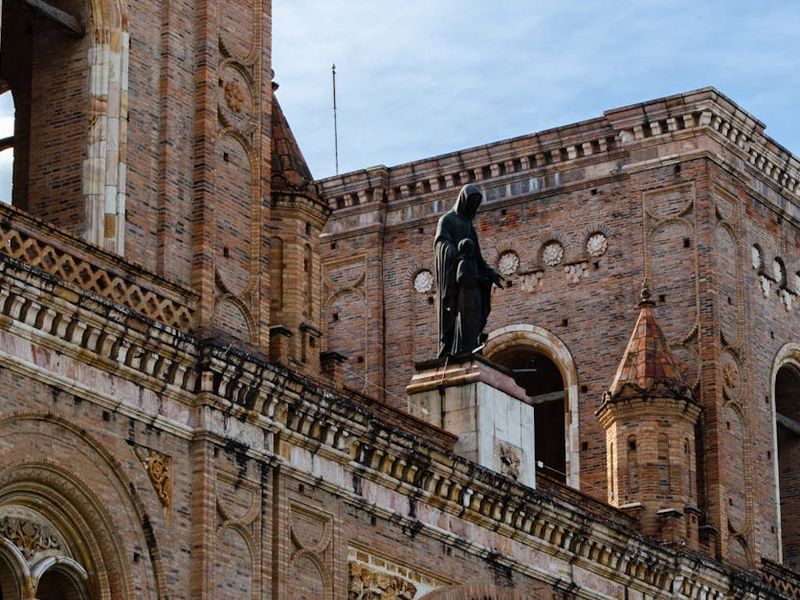
The Historic Center—anchored by Parque Calderón and the New Cathedral with its iconic blue domes—is the quintessential Cuenca experience. Streets are lined with colonial buildings housing cafes, boutique shops, panaderías, and small supermarkets. If you want to step outside and be in the middle of festivals, artisan markets and restaurants, this is the place.
Living here means easy access to cultural life, the main municipal market, and many services within walking distance. Apartments range from compact colonial lofts to renovated units with high ceilings. Downsides include occasional noise, limited parking, and narrow cobbled streets that can be tricky for cars.
Who it’s best for: singles and couples who value walkability, culture and being close to amenities.
2) San Sebastián and riverside barrios: calm, scenic and local
Just south of the Historic Center along the Tomebamba River, San Sebastián and neighboring riverside barrios are quieter and more residential. You’ll find tree-lined promenades along the river where locals stroll—perfect for morning walks or evening passeos. Homes and apartments here often offer more space and a peaceful atmosphere without being far from downtown.
These areas are particularly pleasant for older expats and families seeking a quieter pace but still wanting to access the city center in a 10–20 minute walk or a short taxi ride.
Who it’s best for: retirees and families wanting tranquility with close proximity to central services and cafés.
3) University-adjacent and young-professional hubs
Neighborhoods near the universities and language schools tend to be lively and budget-friendly. You’ll see a mixture of modest apartments, guesthouses and short-term rentals geared toward students and teaching professionals. Cafés, co-work spaces and casual eateries flourish here.
If you’re working remotely, learning Spanish, or want a social scene with a younger demographic, these barrios can offer affordability and a friendly vibe. Expect more rental turnover and occasional noise from student life.
Who it’s best for: young expats, digital nomads and students who prefer social neighborhoods and lower rents.
4) Suburban neighborhoods: Ponceano, Totoracocha and family-oriented areas
Move a bit outside the core and you’ll find neighborhoods that prioritize space and privacy. Suburban barrios tend to offer single-family homes with patios, garages, and more modern construction. These areas are commonly chosen by families and expats who plan to stay several years and want a yard or a larger kitchen.
Benefits include easier parking, quieter streets, and often lower rent per square meter than in the Historic Center. Drawbacks are longer commutes to cultural venues and less immediate access to the best restaurants and specialty shops.
Who it’s best for: families, pet owners and anyone needing more indoor/outdoor space.
5) Modern condos and gated communities: comfort and security
In recent years, developers have built mid-rise condo towers and gated communities aimed at middle-class and expat buyers. These properties offer amenities such as elevators, underground parking, on-site security, gyms and communal areas—features that are particularly attractive to retirees and those seeking low-maintenance living.
While these places cost more than comparable older homes, they often include conveniences (reliable elevators, backup generators, better insulation) that make life easier for newcomers. If you value modern comforts and security, look for buildings with positive reviews and transparent homeowners’ association rules.
Who it’s best for: retirees and expats who prioritize convenience and security.
How to choose the right neighborhood for you
1. Define your priorities
Start with a clear list: Do you want walkability to cafés and medical services? A private yard? Proximity to international schools? Your daily must-haves should drive your search.
2. Budget realistically
Rents and home prices vary with location and amenities. Colonial apartments in the Historic Center can be surprisingly economical for their location, but restored units with modern plumbing and wiring command higher rents. Suburbs and newer condos generally offer more space for the money.
3. Consider transportation and mobility
Cuenca has a comprehensive bus network and inexpensive taxis; many expats also walk or cycle in the center. If you plan to drive, look for neighborhoods with easier parking and less narrow streets. For daily errands without a car, prioritize walkability and access to markets.
4. Think about healthcare and services
Cuenca offers strong medical options including private clinics and public hospitals. Living within a 10–20 minute drive of major hospitals is helpful—particularly for retirees. Also consider proximity to supermarkets, banks, pharmacies and language schools.
Practical renting and buying tips
Most expats start by renting. Short-term rentals let you test a neighborhood before committing. Use local real estate agents, Facebook groups and community bulletin boards to find listings—but verify credentials and read contracts carefully.
Common rental terms: landlords often ask for a one-month deposit and one month’s rent in advance for short-term leases. Long-term rentals may require a local guarantor or a larger deposit. Contracts are typically written in Spanish—get a bilingual agent or translator if needed.
If buying, be sure to work with a reputable notary and a lawyer who understands local property law, taxes and titles. Many expats buy older homes and renovate them; make sure to budget for upgrades like modern plumbing, insulation and heating (nighttime temperatures can be cool). Conduct thorough inspections before purchasing.
Costs to expect: rent, utilities and internet
While exact prices fluctuate, here’s a general snapshot to help plan your budget:
- Rent: modest one-bedroom apartments may start low, while comfortable two- or three-bedroom homes in desirable areas will cost more. Condos with amenities cost extra.
- Utilities: electricity, water and gas tend to be affordable. If you use electric heating or air conditioning, costs can rise slightly—however, Cuenca’s mild climate generally keeps energy bills reasonable.
- Internet: reliable broadband is available in most neighborhoods; budget-friendly plans are common and speeds suitable for remote work are widely accessible.
Always ask a prospective landlord about what utilities are included in the rent, and test internet speed in person if possible.
Safety, community and everyday life
Cuenca is generally safe compared with many large Latin American cities. Petty theft can occur, so use common-sense precautions: secure doors and windows, avoid flashing expensive items, and be mindful in crowded markets. Many neighborhoods have active community groups and neighborhood watches.
One of Cuenca’s charms is its local culture—vendors, artisans and neighborhood markets. If you want to integrate, learn some Spanish, shop at the municipal market for fresh produce, and attend local festivals. Engaging with neighbors is a quick way to feel at home.
Moving in: small things that make life easier
- Set up a local SIM card and confirm mobile data plans—coverage is good in the city but check for dead spots in certain buildings.
- Learn basic Spanish phrases for dealing with landlords, utility companies and markets—many older residents speak little English.
- Ask neighbors about garbage collection days, water delivery schedules (some houses rely on cisterns), and local recycling routines.
- Find the nearest pharmacy, clinic, and grocery store before you unpack—this makes settling in less stressful.
Final considerations: live where your lifestyle thrives
Cuenca offers a range of lifestyles within a compact city: lively and historic downtown living, serene riverside barrios, family-friendly suburbs, and modern condo options. The best neighborhood for you balances your budget, desire for community, and daily needs like transport and healthcare.
Start by renting for a few months in two different areas to compare the rhythms of daily life. Spend afternoons exploring local parks, markets and cafés to see where you fit. With a little exploration, you’ll find a neighborhood that matches not just your budget, but the life you want to build in Cuenca.
Useful checklist before signing a lease
- Visit at different times of day to check noise and traffic.
- Confirm who pays for utilities and what services are included.
- Ask for copies of the building rules (reglamento) if renting a condo.
- Check water pressure, hot water availability, and internet speed.
- Get clarification on repairs: who handles maintenance and typical response times.
With careful research and a few exploratory stays, most expats find Cuenca’s neighborhoods welcoming and manageable. Whether you crave the buzz near Parque Calderón, the serenity of a riverside paseo, or the convenience of a modern condo, Cuenca has a neighborhood that suits your next chapter.