
Table of Contents
Welcome to Cuenca: Why This Andean City Eats Well
Cuenca, perched at 2,550 meters (about 8,360 feet) in Ecuador’s southern highlands, has quietly grown into one of South America’s most exciting food cities. Cobblestone streets, riverside promenades and a thriving expat community have helped spawn a lively dining scene that blends traditional Andean flavors with global techniques. Whether you’re after a plate of hornado on a budget, an inventive tasting menu, or a perfect cup of high-altitude coffee, Cuenca delivers.
How to Use This Guide
This article is organized like a local map: by neighborhoods and by eating styles (traditional, casual, fine dining, cafés and markets). You’ll find practical tips about hours, tipping, reservations and dietary needs, plus sample day itineraries so you can eat your way through the city without missing the must-tries.
Neighborhoods & What They Offer
Cuenca’s best restaurants cluster around a few distinct zones—each with its own vibe and specialties:
- Centro Histórico: The heart of the city around Parque Calderón; expect traditional restaurants, upscale eateries and terrace dining with cathedral views.
- Calle Larga & Alrededores: A pedestrian-friendly strip filled with cafés, bakeries and small bistros—great for daytime wandering and coffee stops.
- Riverside (Tomebamba / El Barranco): Scenic walkways along the river host stylish restaurants and bars, ideal for evening meals and sunsets.
- Turi & Miradores: Hilltop lookout area where many family-run places serve hearty Andean favorites, often with panoramic views.
- Local Markets and Food Halls: Mercado Central and nearby food stalls are the best places for cheap, authentic eats like almuerzo plates and fresh juices.
Traditional Dishes Every Visitor Should Try
Part of Cuenca’s charm is its access to the broader Ecuadorian palette—Andean staples plus coastal influences. Sample these classic dishes:
- Hornado: Slow-roasted pork, usually served with mote (hominy), plantains and salad—comfort food at its best.
- Locro de Papa: A hearty potato and cheese soup, often garnished with avocado; perfect for high-altitude cooler evenings.
- Llapingachos: Fried potato pancakes stuffed with cheese, typically served with a meat choice and a peanut sauce or salad.
- Cuy: Roasted guinea pig; a traditional celebratory dish—served whole in specialty restaurants.
- Ceviche and Encocado: Though inland, Cuenca restaurants often serve excellent seafood dishes influenced by the coast.
- Helado de Paila: Hand-churned Andean sorbet made in a large metal pan—refreshing and locally made with regional fruits.
Top Picks for Fine Dining and Contemporary Cuisine
Cuenca’s fine dining scene focuses on seasonal, local ingredients—Andean potatoes, native herbs, river trout and artisanal cheeses—prepared with modern techniques. Look for tasting menus (menú degustación) that highlight small plates and creative presentations. Many of these restaurants are in or near the historic center and often require reservations on weekends or high season.
Tips: Book ahead for dinner, ask for a table by the window if you want cathedral or river views, and consider the local wine list or craft beer pairings to sample Ecuadorian producers and imports.
Best Casual Spots and Where Locals Eat
If you want an authentic, budget-friendly experience, head to small family-run places and the almuerzo counters. The almuerzo (set lunch) is one of the best deals in Cuenca: a soup, a main plate (rice, salad, protein), and a drink for a reasonable price. These meals are especially popular Monday through Friday during midday and are where you’ll taste reliable versions of hornado, seco (stew), and other Ecuadorian comfort dishes.
Stroll the side streets around the central plaza and the riverbanks at lunchtime to spot busy local crowds—those restaurants are often the tastiest and least touristy.
Markets, Street Food & Fresh Ingredients
Mercado Central and other public markets are not just for buying produce—they are a foodie’s playground. In the market you can find fresh cheeses, Andean grains like quinoa and mote, empanadas, tamales, and stalls serving quick breakfasts such as bolones (mashed green plantain fritters) and caldo de patas (beef foot soup).
Market tips: Go early for the best selection and busiest food stalls, carry small bills for quick purchases, and don’t miss the fresh fruit juices—batidos—made from local fruits like naranjilla, taxo and chirimoya.
Cafés, Bakeries & Sweet Stops
Cuenca’s café culture is robust: artisan roasters and cozy coffee shops line Calle Larga and side streets. Try pan de yuca (cheesy cassava bread), empanadas de viento (airy fried empanadas dusted with sugar), and locally roasted coffee—often darker roast profiles that highlight the high-altitude beans.
Don’t miss heladerías (ice cream shops) offering helado de paila or new-wave gelatos made from tropical fruits. Chocolate lovers can seek out shops offering single-origin Ecuadorian chocolate—the cacao here is world-class.
Vegetarian, Vegan & Special Diets
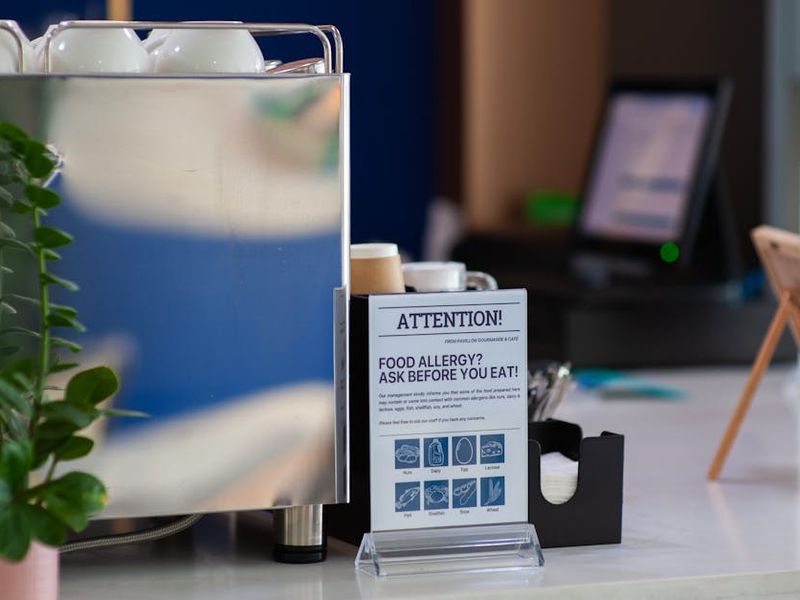
Vegetarian and vegan options have expanded in Cuenca. Many restaurants now offer quinoa bowls, hearty salads, and vegetable-forward mains. However, because traditional cuisine includes lots of cheese and egg-based items, always ask about ingredients—”sin queso” (without cheese) and “sin huevo” (without egg) go a long way.
If you have food allergies or need gluten-free options, communicate clearly with the staff. Spanish phrases to keep handy: “soy vegetariano/a”, “¿esto tiene gluten?”, and “sin nueces, por favor”.
Drinks: Coffee, Beer & Local Libations
Coffee in Cuenca is excellent—look for small roaster cafés that highlight single-origin beans from neighboring provinces. For beer lovers, a growing craft beer scene means you’ll find IPAs, stouts and local takes on classics. Wine lists in mid- to high-end restaurants will often feature Argentine, Chilean or Spanish wines; Ecuador’s wine industry is small, so most wine is imported.
Try traditional non-alcoholic drinks like morocho (a warm corn-based beverage) and chicha morada (a purple corn drink) for a cultural taste; always ask locals for their favorite spots to sample them.
Ordering Cuy & Dining Etiquette
Cuy is a cultural experience but not for everyone: it often arrives roasted whole and is shared at the table. If you’re curious, ask your server how it’s prepared and whether the bones are removed. It’s polite to try a small portion if offered. Other etiquette tips: most restaurants expect you to pay the check at the counter or waitstaff; tipping 10% is customary if service is good.
Practical Info: Hours, Prices & Reservations
Typical restaurant hours in Cuenca: lunch service from about 12:00–15:00, and dinner from roughly 19:00–22:00. Some cafés and casual lunch spots open early and close by late afternoon. Expect weekday lunch specials that are excellent value. Prices range from very cheap at market stalls (a few dollars) to moderate in mid-range restaurants and higher in tasting-menu establishments.
Card acceptance is common in mid- to high-end restaurants, but small cafés and market stalls may be cash only—carry some local currency (US dollars). Make reservations for weekend dinners and popular fine-dining spots, especially during high tourist seasons like June, July and December.
Food Tours, Cooking Classes & Where to Learn More
Guided food tours are one of the fastest ways to taste a wide range of local specialties and discover hidden gems. Many tours include market visits and tastings at family-run restaurants. For a deeper experience, book a cooking class that starts with sourcing ingredients at a market and ends with preparing a full Ecuadorian meal—great for taking recipes home.
A Sample Day of Eating in Cuenca
Start with a coffee and pan de yuca on Calle Larga, stroll the riverbanks, then visit Mercado Central for a mid-morning juice and a quick empanada. Enjoy a filling almuerzo of locro de papa and llapingachos at a family eatery for lunch. In the afternoon, relax at a gelateria sampling helado de paila. Reserve a special dinner at a contemporary restaurant in the historic center to experience elevated Ecuadorian cuisine with a tasting menu and local craft beer or imported wine.
Safety, Health & Final Tips
Food safety standards in Cuenca are generally good, but use common sense: choose busy stalls, drink bottled or filtered water if you’re sensitive, and ask about preparation methods if you have a weakened immune system. Learn a few Spanish food phrases—your experience will be richer and staff appreciate the effort. Lastly, take your time: Cuenca is a city for lingering lunches, slow coffees and multiple courses—eat like a local and savor the variety.
Parting Bite
Cuenca’s culinary scene balances tradition and innovation. From markets and family-run lunch spots to modern kitchens experimenting with native ingredients, the city rewards curious eaters who walk its streets and follow local recommendations. Whether you’re sampling cuy for the first time, hunting down the best helado de paila, or choosing a chef-driven tasting menu, Cuenca provides a memorable, flavorful journey through Ecuadorian cuisine.
Buen provecho—and happy eating in Cuenca!