
Table of Contents
Why Cuenca is a must-visit for food lovers
Cuenca’s culinary scene is an intriguing mix of mountain traditions, coastal influences and modern global trends. Nestled in the southern highlands of Ecuador, the city blends indigenous ingredients with Spanish and tropical flavors—resulting in hearty soups, roasted pork, fresh river fish and inventive small plates. Whether you crave a budget-friendly plate of hornado, a riverside seafood dinner, or an inventive tasting menu, Cuenca delivers variety for every palate and price point.
How this guide is organized
Instead of simply listing restaurants, this guide maps the best types of eating experiences across Cuenca’s neighborhoods, highlights must-try dishes, offers practical tips (hours, payments, reservations) and sketches a few sample food itineraries. Use it to plan a day, a weekend or an extended culinary exploration.
Neighborhoods and the kinds of food they serve
Centro Histórico — classic Ecuadorian and charming cafés
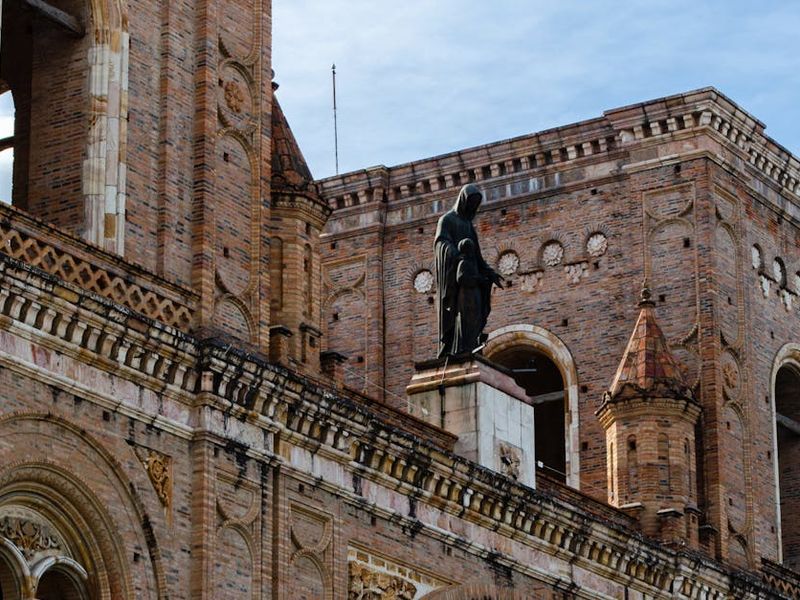
The historic core around Parque Calderón is where tourists and locals converge for cathedral views and hearty meals. Here you’ll find traditional menu del día lunches, bakeries filled with fresh bread and pastries, and cafés perfect for afternoon coffee. Many restaurants around the plaza specialize in comfort dishes: locro de papa (potato-and-cheese soup), llapingachos (potato patties), and mellizo-style roasted pork.
Calle Larga and the artisan corridor — coffee, tapas and small plates
Calle Larga is Cuenca’s lively lane of cafes, wine bars and creative kitchens. Expect specialty coffee shops with locally roasted beans, tapas-style options, vegetarian-friendly menus and places experimenting with fusion cuisine—combining Andean ingredients with international techniques.
El Barranco and riverside dining — scenic meals
El Barranco runs along the Tomebamba River and offers scenic terraces and restaurants with a view. This area is ideal for a relaxed lunch or romantic dinner, especially for those who want to pair fresh fish and seafood with a sunset walk along the river promenades.
Neighborhoods beyond center — local favorites and late-night eats
Walk a few blocks from the center and you’ll find family-run eateries, bakeries, and hornado (roast pork) shops that locals frequent. These spots are where you’ll taste home-style cooking at very affordable prices. Late-night empanada stands and fritada vendors often operate into the evening in these residential zones.
Must-try dishes and where to find them
- Hornado (roast pork) — Look for small family restaurants offering hornado with mote (hominy), llapingachos, salad, and pickled onions for a quintessential highland meal.
- Fritada — Fried pork with plantains and corn; commonly eaten for brunch or lunch, often served at market stalls.
- Locro de papa — A creamy potato and cheese soup, served hot and perfect for Cuenca’s cool mountain evenings.
- Llapingachos — Pan-fried potato patties usually paired with chorizo, egg, or a light meat stew.
- Ceviche and seafood — Even inland, fresh ceviche appears on many menus—opt for river fish versions for a local twist.
- Cuy — Guinea pig, a traditional Andean delicacy—try it at specialized restaurants if you’re adventurous.
- Helado de paila — Artisanal sorbet made in a cold metal pan, available in fruity flavors and a refreshing treat on warm afternoons.
Markets and street food: where locals eat on the cheap
To eat like a local, visit one of Cuenca’s bustling markets. These are the best places to sample authentic flavors without breaking the bank. Look for stalls selling tamales, empanadas, freshly squeezed juices, and simple soups. Markets are often busiest in the morning and at midday—perfect for breakfast or a budget-friendly lunch. Watching vendors prepare dishes and tasting small bites is one of the most authentic culinary experiences the city offers.
What to order at a market
- Breakfast tamales — Corn-based parcels with meat or cheese.
- Sopa de gallina — Hearty chicken soup, commonly served with rice and plantain.
- Fresh fruit juices — Tropical blends featuring local fruits like maracuyá (passionfruit) and naranjilla.
Coffee culture and bakeries
Cuenca has a thriving specialty coffee scene. Cafes roast locally grown beans and offer pour-over, espresso and modern coffee preparations. Morning pastries are popular—look for buttery rolls, cheese breads and local confections. A morning coffee in a Calle Larga café is a must: sip a cup slow enough to watch the city wake up and plan your culinary route.
Vegetarian, vegan and dietary considerations
Traditional Ecuadorian dishes rely heavily on meats and cheeses, but Cuenca’s growing international scene means many restaurants now offer vegetarian and vegan options. Look for quinoa salads, vegetable stews, and creative plant-based takes on local dishes. If you have allergies or dietary restrictions, basic Spanish phrases can help: “sin carne” (without meat), “sin lactosa” (lactose-free), “soy vegetariano/vegana” (I am vegetarian/vegan). Most mid- to high-end places will accommodate requests, and vegetarian-specific cafés are becoming more common.
Fine dining and special-occasion restaurants
For celebratory meals, you’ll find contemporary chefs turning local ingredients into tasting menus and inventive small plates. Fine dining spots often emphasize seasonal produce, artisan cheeses, and regional game or fish. These establishments tend to have smaller menus, thoughtful wine pairings, and require reservations—especially on weekends. Expect prices to be higher than typical Cuenca restaurants, but the culinary craft and presentation are well worth the splurge.
Budget eats and late-night options
If you’re on a budget, Cuenca is very forgiving. Street food and markets offer full, satisfying meals for just a few dollars. Look for small neighborhood eateries serving menu del día—an affordable fixed-price lunch that typically includes soup, a main, drink and dessert. Late-night eateries and empanada stands pop up in popular nightlife areas, offering a perfect post-bar snack without a hefty price tag.
Practical tips for dining in Cuenca
- Currency and payment: Ecuador uses the U.S. dollar. Cash is handy for markets and smaller places; many restaurants accept cards but check first.
- Tipping: Service is sometimes included on the bill; if not, 5–10% is customary for good service.
- Hours: Lunch is typically the biggest meal around noon to 2pm; dinner begins later, often 7–9pm. Markets open early—great for breakfast.
- Reservations: For riverside tables, weekend dinners, and high-end tasting menus, book ahead—popular places fill quickly.
- Language: Spanish is the prevailing language. Learning a few food-related phrases will enrich your experience and help with ingredient questions.
- Safety and hygiene: Stick to busy stalls and look for places with high turnover for the freshest food. Bottled water is recommended for visitors unaccustomed to local water.
Experiences beyond restaurants: tours, classes and festivals
Want to dive deeper? Consider a guided food tour that pairs history with bites—these often include market visits, tasting sessions and a sample of street food. Cooking classes are also popular: learn to make llapingachos, locro, or traditional desserts using local techniques. Keep an eye out for seasonal food fairs and neighborhood festivals that showcase local producers and unique ingredients—these are great opportunities to meet cooks, sample rare items and learn about regional food traditions.
Sample itineraries for different appetites
One-day food lover’s route
- Morning: Start with fresh coffee and a pastry on Calle Larga.
- Breakfast: Head to a central market for tamales and freshly squeezed juice.
- Lunch: Enjoy a hornado or fritada at a family-run comedor.
- Afternoon: Take a riverside stroll and stop for helado de paila.
- Dinner: Reserve a table at a riverside bistro or a modern tasting-menu restaurant.
Weekend culinary explorer
- Day 1: Market tour with a guide, lunch in the Centro Histórico, coffee crawl in Calle Larga.
- Day 2: Cooking class in the morning, afternoon bakery tour, evening tapas and live music.
Final tips to savor Cuenca like a local
Ask locals for recommendations—residents often point you to the best hole-in-the-wall joints where the food is authentic and the prices are honest. Keep an open mind and try a new dish each day; Ecuadorian cuisine rewards curiosity. Slow down and pair meals with conversation—mealtime is social here. With the mix of markets, traditional eateries and contemporary kitchens, Cuenca is a city you can revisit for new flavors every season.
Ready to eat your way through Cuenca? Start small, branch out, and savor the mountain-to-coast flavors that make this city a hidden culinary treasure in Ecuador.