
Table of Contents
>
Essential Local Dishes to Try
- Locro de papa – a creamy potato and cheese soup, perfect for cool Andean evenings.
- Llapingachos – cheesy potato patties often served with fried egg, chorizo, and salad.
- Hornado – slow-roasted pork, traditionally served with hominy (mote), salad and plantain.
- Cuy – roasted guinea pig, a traditional celebratory dish; try it at a specialized picantería if you’re adventurous.
- Ceviche and encebollado – coastal staples adopted locally; expect fresh fish and tangy marinades.
- Helado de paila – artisanal ice cream churned in a cold metal pan, a delightful Andean dessert.
Best Neighborhoods for Food: Where to Focus Your Search
Cuenca’s compact size makes it easy to explore neighborhoods on foot. Here’s where to go if you want specific dining experiences:
Historic Center around Parque Calderón
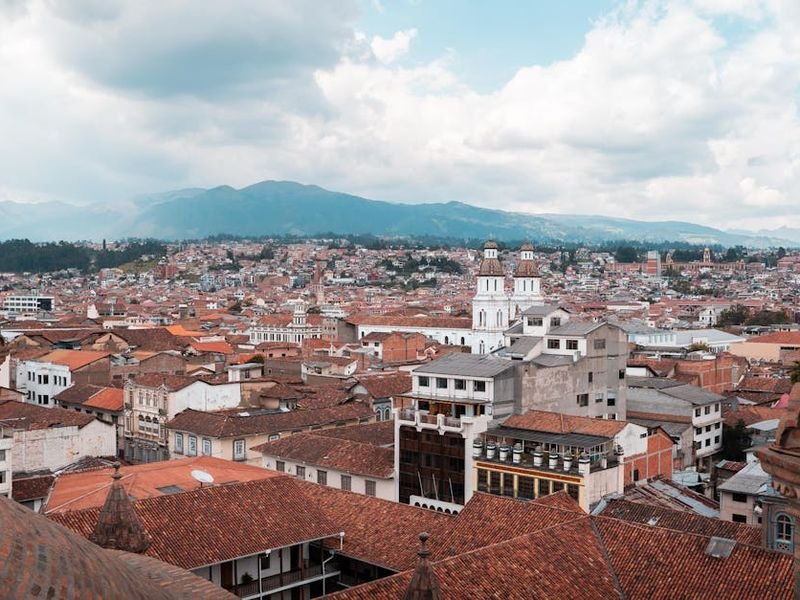
The colonial heart of Cuenca is where you’ll find a mix of elegant restaurants, family-owned cafés and busy food stalls. Dine with a view of the Catedral de la Inmaculada or duck into a cozy bistro on a side street. This area is perfect for people-watching and sampling both traditional and contemporary dishes.
Calle Larga and the Pedestrian Strip
Calle Larga is the city’s main pedestrian avenue and a hub for cafes and casual dining. It’s a great place for coffee, pastries and light lunches. Many restaurants here offer daily lunch menus (menú del día) — a budget-friendly way to try local flavors.
Tomebamba Riverfront
Stroll along the Río Tomebamba and you’ll see terraces and riverside restaurants that are especially pleasant in the late afternoon. This area is excellent for seafood and relaxed dinners with a view.
The Turi Lookout
Head up to El Turi for panoramic views and restaurants geared toward visitors. Portions tend to be generous and many menus include classic Andean dishes — a scenic splurge for sunset dining.
Markets and Street Food: Where Authentic Flavor Lives
Markets are the best place to experience honest, everyday cuisine. Visit a central market early in the morning for fresh juices, tamales, hornado counters and steaming soups.
How to Navigate the Market Scene
- Arrive between 7–10 a.m. for the best selection and to see vendors setting up traditional breakfasts.
- Look for counters with locals queued up — popularity is the best indicator of quality.
- Try small plates first: a scoop of mote, a llapingacho or a cup of freshly pressed fruit juice before committing to a full meal.
Dining Styles: From Picanterías to Fine Dining
Cuenca’s dining options range from no-frills family establishments (picanterías) to international tasting menus. Knowing the difference helps you choose based on mood and budget.
Picanterías and Family Eateries
Picanterías specialize in regional home-style cooking and rotating specialties. Expect hearty portions, communal vibes, and dishes like hornado or mote. They’re ideal for trying traditional preparations and local hospitality.
Contemporary and Fine Dining
Over the past decade Cuenca has developed a scene of chef-driven restaurants that reinterpret local ingredients. These spots may offer multi-course tasting menus and curated wine lists — perfect for a celebratory night out.
Practical Tips for Eating Out in Cuenca
Follow these practical tips to have smoother, more enjoyable meals:
- Menus and language: Many menus are in Spanish. Learn a few phrases: “La cuenta, por favor” (the bill please), “¿Algo sin…” for allergies, and “Un vino de la casa” for house wine.
- Menu del día: Look for the midday deal (menú del día) — usually a starter, main and drink for a bargain price between noon and 3 p.m.
- Reservations: Reserve for dinner at popular spots, especially on weekends. Smaller local eateries usually accept walk-ins.
- Tipping: Service is often included on the bill, but leaving a 5–10% tip for good service is appreciated.
- Payment: Carry some cash for markets and small cafes; most mid-range and upscale restaurants accept cards.
- Dietary needs: Vegetarian and vegan options are increasingly available, but be specific about what you can’t eat and ask about broths and condiments which may include animal products.
Best Times to Eat: Local Rhythms and Peak Hours
Dining rhythms in Cuenca are more relaxed than in larger cities. Breakfasts are early and hearty, lunch is the main meal of the day for many locals, and dinner starts later — often from 7:30 p.m. onwards.
If you want a quieter dining experience, aim for early lunches or weekday dinners. For the liveliest atmosphere and best chance to chat with locals, try a weekend market or a busy picantería at midday.
Food Tours and Cooking Classes
If you want insider access, a guided food tour or a cooking class is invaluable. Food tours will take you to stalls and family-run kitchens you might miss on your own, while cooking classes teach hands-on techniques for dishes like llapingachos or ceviche and include a market visit to select fresh ingredients.
A Suggested 3-Day Foodie Itinerary in Cuenca
Use this flexible plan to taste a broad cross-section of the city’s flavors.
- Day 1 – Historic Center & Café Culture: Start with coffee and a pastry on Calle Larga, walk to Parque Calderón and try a menu del día at a nearby bistro. End the day with a riverside dinner and a stroll along the Tomebamba.
- Day 2 – Market Morning & Picantería Lunch: Visit the central market in the morning for fresh juices and snacks. For lunch, find a picantería for hornado or cuy. Spend the afternoon sampling local cheeses and baked goods.
- Day 3 – Turi Views & Fusion Flavors: Head to El Turi for sunrise or sunset views and a traditional dish. Return to town and book a table at a contemporary restaurant for a tasting menu that highlights local produce.
Drinks, Desserts and Late-Night Bites
Coffee culture is strong in Cuenca — try a single-origin Ecuadorian brew at one of the specialty cafes. For sweets, don’t miss helado de paila and local pastries at a panadería. If you’re out late, small sandwich shops and juice stands often stay open after dinner, especially around Calle Larga and the central plaza.
How to Discover New Favorites
Want to find the best, less touristy places? Walk side streets away from the main plazas and look for restaurants packed with locals. Ask shopkeepers where they eat, check neighborhood bulletin boards, or use local Facebook groups and WhatsApp communities for up-to-the-minute tips. Word of mouth is still the best way to uncover hidden gems.
Final Tips for Enjoying Cuenca’s Food Scene
Be curious and flexible. Let the season and local recommendations guide your choices — markets and menus change with harvests and catches. Share plates to try more dishes, and don’t be afraid to ask questions about ingredients and preparation. Above all, savor the relaxed pace of dining here: meals in Cuenca are as much about company and conversation as they are about the food.
With a mix of traditional picanterías, buzzing markets, and inventive restaurants, Cuenca offers a memorable culinary experience that rewards exploration. Pack an appetite, brush up on a few Spanish phrases, and be ready to taste the best of the southern Andes.