
Table of Contents
Why Cuenca is a Sunset City
Perched high in the Andes at about 2,560 meters (8,400 feet), Cuenca offers dramatic skies, crisp air, and a cityscape that lights up at dusk. The combination of colonial architecture, the meandering Tomebamba River, surrounding volcanoes and the nearby páramo make for spectacular color and contrast as the sun drops behind the mountains. Whether you’re a photographer chasing golden hour or an expat looking for a calm evening ritual, these five vantage points deliver memorable sunsets with practical access from the historic center.
How to Use This Guide
Each spot below includes what to expect (views and atmosphere), how to get there, accessibility, best time of year, and tips for photographers and families. I’ve prioritized locations that are easy for visitors and long-term residents to reach while still offering distinctive perspectives on the city and surrounding landscape.
1. Mirador de Turi: Classic Panoramic Views
What you’ll see
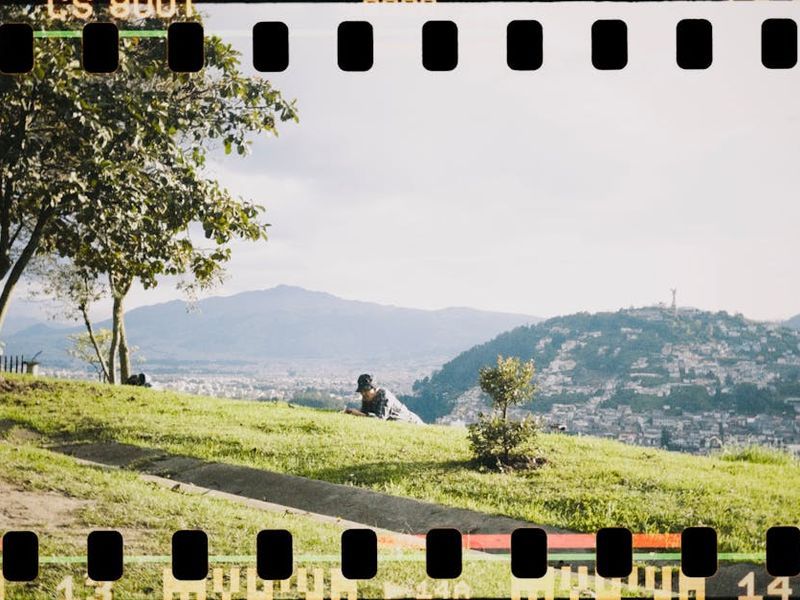
Mirador de Turi sits on a hillside overlooking Cuenca and gives one of the most expansive views of the entire city. At sunset you’ll see the Cathedral domes, the sprawl of red-tile roofs, and the circling Andes silhouetteed against a changing sky. The site is a favorite for couples, families, and photographers who want unobstructed panoramas.
Getting there and practicalities
From the historic center, a short taxi ride (about 10–20 minutes depending on traffic) takes you up to the mirador. Many visitors combine the trip with a stop at the small handicrafts market and restaurants around the viewpoint. The area is developed for visitors: paved paths, benches, and basic facilities are available, but bring a jacket—temperatures drop quickly after sunset.
Best time and tips
Evenings are busiest on weekends. Arrive 30–45 minutes before sunset to pick your spot, and bring cash if you want a snack from local vendors. For photos, use a wide-angle lens to capture the city and mount your camera on a tripod for bracketed exposures that handle the high contrast between sky and city lights.
2. Parque Calderón & Cathedral Rooftops: Historic Center Glow
Why the old center works
Parque Calderón is Cuenca’s heart: the cathedral, colonial arcades, and bustling cafés all gather here. At sunset the cathedral’s blue domes and bell towers reflect the warm light, while the plaza below shifts from daytime commerce to a gentle, evening rhythm. This area gives the classic “Cuenca postcard” feeling as the city lights begin to spark.
Where to position yourself
There are two approaches: watch from street level in the park to capture people, vendors and ambient light; or find a rooftop café or hotel terrace for an elevated view of the domes against the sky. Many central hotels have terraces for guest use—ask politely if you can enjoy the view, and consider having a drink to support the business.
Tips for visitors
Parque Calderón stays lively late into the evening, so it’s also a safe place to linger. If you plan to photograph the cathedral at twilight, try bracketing exposures or using HDR techniques to maintain detail in both the illuminated architecture and the dusky sky. Be mindful of crowds—arrive early if you want an unobstructed shot.
3. Tomebamba River Promenade & Puente Roto: Reflections and Riverlight
A different angle on sunset
Walking along the Tomebamba River offers a lower, intimate perspective of Cuenca at sunset. Stone bridges, riverside parks and tree-shaded promenades reflect the evening light on water, creating beautiful mirrored compositions. The so-called Puente Roto (Broken Bridge) and nearby footbridges are popular spots to frame the cathedral towers and city walls across the river.
How to reach the riverside
You can access the riverbanks on foot from the historic center via several stairways and lanes that descend to Calle Larga and the río paseo. The area is walkable and often filled with locals out for an evening stroll — perfect for blending into local life while you watch the sky change.
Photography and safety tips
Bring a small tripod or steady your camera on a railing for long-exposure water shots that smooth the river and capture colorful reflections. Stick to well-lit paths, keep valuables secure, and consider pairing your riverside walk with a stop at a café along Calle Larga before or after sunset.
4. Pumapungo and the Archaeological Terraces: Sunset on the Ruins
Why this location feels unique
Pumapungo is a cultural complex that combines Inca-era terraces, a museum, and beautifully maintained gardens. At sunset the stone terraces and ancient walls take on warm tones, and with fewer crowds you can enjoy a quieter, more contemplative perspective on history and light.
Access and what to expect
Pumapungo is within walking distance of the central plaza, and its grounds are open to visitors who want a mix of archaeology and nature. The museum sometimes closes at dusk, so plan your visit to explore the terraces and gardens in the hour surrounding sunset rather than relying on indoor exhibits.
Tips for considerate visiting
Respect the archaeological site—stay on paths and follow signage. Sunset photography here rewards slower pacing: look for textures, shadows on carved stone, and how the light plays across the terraced levels. A telephoto lens can isolate interesting details on distant walls or statues.
5. Cajas National Park (Laguna Views): High-Altitude Sunsets
Why drive out of town
Just 30–60 minutes from Cuenca, Parque Nacional Cajas is a high-altitude wonderland of lakes, rolling moorland and rugged peaks. The sky at these elevations can be especially dramatic—sunsets here often produce brilliant colors reflected in lagunas and peatlands, and the clear air gives rare visibility across long distances.
Where to go inside the park
There are many accessible lagunas and viewpoints in Cajas. Choose a short hike to a nearby lake (many parking areas provide short trails to lookouts) or join an organized tour if you prefer guidance. Bring warm layers and waterproof footwear—the weather can change quickly in the páramo.
Seasonal and safety advice
The dry season (roughly June–September) typically offers clearer evenings ideal for sunset watching. Altitude and rapidly shifting weather mean you should be prepared with water, warm clothing, sunscreen, and a charged phone. Respect park rules and stay on marked trails to protect fragile ecosystems.
Seasonal Weather, Timing and Light: When to Go
Cuenca’s weather is influenced by altitude and the Andean microclimates. The dry season (June–September) generally has clearer skies and lower chances of late-afternoon rain, making it the most reliable time for brilliant sunsets. The wet season (roughly December–May) can bring clouds and rain in the late afternoon, but dramatic skies sometimes form after a passing shower, creating vivid color and atmospheric conditions.
Sunset times shift through the year: expect sunsets roughly between 5:30 and 6:45 PM depending on season. For the best light, arrive 30–60 minutes before sunset to set up and stay 20–30 minutes after it dips, because post-sunset colors (the afterglow) can be spectacular.
Practical Tips for a Great Sunset Experience
- Dress in layers: High altitude means the temperature drops quickly after sunset. A warm jacket, scarf and hat are wise, even on warm afternoons.
- Protect from UV: Even in the late afternoon, UV can be strong—bring sunscreen and sunglasses for pre-sunset activities.
- Bring small cash: Vendors near viewpoints may accept only cash for snacks, crafts or a quick coffee.
- Transport options: Taxis are the fastest route to hillside miradores; public buses and walking paths are cheaper but may take more time and energy.
- Safety: Stick to well-populated viewpoints, lock your belongings in a daypack, and avoid secluded paths after dark.
- Photography gear: A tripod, wide-angle lens, telephoto for compression, and ND filters if you want to smooth water in long exposures.
- Respect local culture: Some vantage points are near churches or residential areas—be courteous, keep noise low, and follow posted rules.
Photographer’s Quick Checklist
If you’re chasing a perfect sunset shot in Cuenca, here’s a compact checklist to carry in your camera bag:
- Tripod for stable long exposures and HDR brackets.
- Wide-angle lens (16–35mm range) to capture cityscape and sky.
- Telephoto (70–200mm) to isolate cathedral towers or distant peaks.
- Extra batteries (cold shortens battery life) and memory cards.
- Lens cloth for moisture and dust—riverbank breezes and páramo conditions can be damp.
- Remote or intervalometer for precise long exposures.
Less-Visited Spots and Insider Ideas
If you’ve already done the main viewpoints or prefer quieter scenes, try these alternatives: a steep street in the Santa Ana neighborhood gives cozy, local perspectives; small rooftop terraces spread across the centro histórico offer different angles on the cathedral; and lesser-known parks along the Tomebamba have natural framing with trees and bridges. Exploring side streets at dusk often yields serendipitous scenes of local life and painted facades warmed by fading light.
Conclusion: Make Sunset Watching a Cuenca Ritual
Sunset in Cuenca is more than a daily light show; it’s a chance to connect with the city’s contours, history and people. Whether you prefer the broad sweep from Turi, the cathedral’s glow in Parque Calderón, the reflective calm of the Tomebamba, the quiet layers of Pumapungo’s terraces, or the wild skies of Cajas National Park, there’s a sunset here to match every mood. Pack a layer, pick a vantage point, and let the Andes show you why evenings in Cuenca are so memorable.
Ready to plan your evening? Start with one of these five spots, time your arrival for golden hour, and see how the city transforms as the sun slips behind the mountains.