
Table of Contents
Why Cuenca Feels Like a Studio Built by the Andes
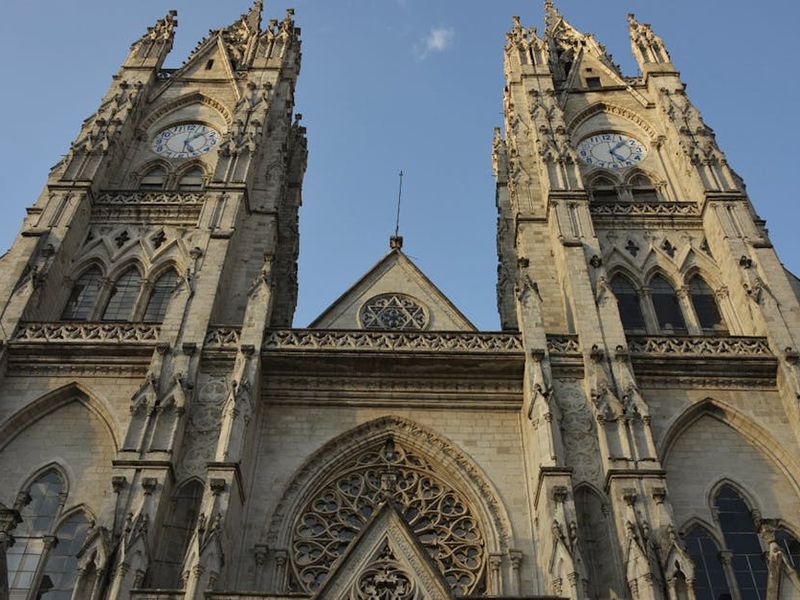
Cuenca is a city that seems designed to inspire: layered colonial architecture, riverbanks edged with flowered balconies, and a skyline punctuated by twin blue domes. For expat artists, the city delivers an unusual mix of old-world textures and everyday modern life that rewards sustained observation. Light shifts dramatically with elevation and weather, and the cultural tapestry—Indigenous craft traditions, Spanish colonial heritage, and an active contemporary art scene—creates endless entry points for creative work.
Getting Oriented: Best Neighborhoods for Artistic Stimulation
Choosing where to spend your mornings and afternoons affects the kind of work you make. Here are neighborhoods that many artists fall in love with:
- El Centro (Historic Old Town) – Walkable, vibrant, and full of architectural detail. Streets like Calle Larga and plazas around Parque Calderón provide endless compositional possibilities from façades and street vendors to cathedral spires.
- Barrio San Sebastián – A bohemian quarter known for informal galleries, craft shops, and cafés. It’s great for meeting local artists, discovering small studios, and finding that spontaneous scene or portrait subject.
- Turi – Perched above the city, Turi offers panoramic views at sunset and sunrise. Artists who work in landscape or cityscapes will appreciate the broad vistas and changing light.
- Riverside Walks along the Tomebamba – The riverwalks with manicured bridges and gardens are ideal for quick studies and longer plein-air sessions.
Hidden Corners and Daily Rituals That Spark Ideas
What turns observational practice into inspiration are repeated rituals: a morning coffee at a specific café, a weekly visit to the market, or an evening sketch session on a particular bridge. Try a daily route: early light at Mercado 9 de Octubre (watch the vendors setting up), midday sketches on the Tomebamba riverbanks, and late-afternoon perspectives from the steps of the Catedral Nueva. Repetition helps you notice subtle color shifts, gestures, and human rhythms that translate into richer artwork.
Markets, Bazaars, and Material Culture: Where to Find Textures and Traditions
Cuenca’s markets are treasure troves for artists. They are living museums of textiles, ceramics, and jewelry. Spend time in the covered markets and smaller artisan stalls to study pattern, color palettes, and crafting techniques.
- Textile stalls and woven goods – Look for handwoven ponchos, ribbons, and table runners with traditional Andean motifs. These can inspire pattern work, textile collages, or color studies.
- Silverwork and jewelry – The nearby town of Chordeleg is famed for silverware and filigree. A short trip provides close-up references and potential collaborative opportunities with jewelers.
- Local fibers and natural dyes – If you’re into fiber arts, source alpaca and sheep wool from markets or small suppliers and experiment with dyeing using natural pigments.
Plein-Air Spots and Composition Hotspots
Cuenca’s compact center makes it easy to take portable materials and go outside. Here are reliable spots for plein-air painting and observational drawing:
- Parque Calderón – The city’s central plaza is always active: musicians, street vendors, and the cathedral provide a variety of focal points.
- Puente Roto and nearby bridges – Bridges over the Tomebamba offer interesting angles of reflection and layered architectural elements.
- Turi viewpoint – For dramatic panoramas at sunrise or sunset, bring a tripod or an extended sketchbook.
- Small neighborhood plazas – Less crowded than the main square, these provide intimate scenes of daily life: kids playing, shopkeepers, and old men talking on benches.
Museums and Quiet Study Areas for Deeper Research
When you need reference materials, historical perspective, or simply a quiet place to work, Cuenca’s cultural institutions are invaluable.
- Museo Pumapungo – Rich in archaeological material and regional history, the museum provides color and form references from pre-Columbian textiles and ceramics.
- Municipal art spaces – Small municipal galleries rotate contemporary work; they’re good for seeing what local artists are doing and picking up on trends.
- Library and cultural centers – Look for exhibition catalogs and local art history texts to build context for projects that engage with Cuenca’s heritage.
Workshops, Studios, and Places to Meet Creative People
Plugging into the local art community will accelerate your creative growth and expand practical opportunities. Here are ways to find studios and peers:
- Look for ‘talleres’ (workshops) – Community centers and private studios often advertise workshops in painting, ceramics, weaving, and printmaking. Joining a course is a great way to meet both locals and expats.
- Casa de la Cultura and local art schools – Check bulletin boards and event calendars for talks, openings, and collaborative projects.
- Cafés and co-working spaces – Cafés on Calle Larga and around the historic center attract creatives. Strike up conversations; many artists offer informal critique groups or collaborative projects.
Day Trips That Extend Your Palette: Nearby Towns and Landscapes
Some of the most vivid inspiration in the Azuay region lies beyond the city limits. Short bus rides or guided trips open up new subject matter.
- Gualaceo – Known for colorful textiles and vibrant market scenes. A great place to photograph motifs and study natural dyes.
- Chordeleg – Famous for silver jewelry; ideal for detail studies and collaborating with metalworkers on mixed-media pieces.
- Sigsig and surrounding rural areas – Mountains, terraced fields, and pottery traditions offer rustic landscapes and craft practices to document.
- Highland hikes – The nearby páramo and mountain vistas provide dramatic skies and light for plein-air landscapes.
Practical Tips for Working in Cuenca’s Public Spaces
Taking your practice outside requires practical planning. Here are tips refined by artists who have worked in Cuenca:
- Pack for changing weather – Cuenca sits at ~2,500 meters altitude; weather can be sunny one moment and showery the next. Bring a lightweight rain jacket and protect materials from moisture.
- Bring a portable kit – A folding stool, a water container, a compact palette, and a reliable sketchbook let you stay longer in a single spot without hunting for facilities.
- Respect private and sacred spaces – If you want to sketch inside a church or studio, always ask permission. Some heritage sites restrict tripod use and commercial photography.
- Timing is everything – Early morning and late afternoon provide softer, warmer light and fewer crowds. Markets are busiest in the morning; plan portraits for mid-morning when people are alert and the light is good.
- Ask before photographing people – A small tip or a print of the photograph is a polite exchange and opens conversational doors.
Finding Supplies, Printing, and Shipping Your Work
While Cuenca won’t have the same density of art stores as larger capitals, you can still source essential materials and services.
- Art supply options – The historic center has shops selling paper, pens, paints, and brushes. For specialty items, consider ordering online or asking local artists for supplier recommendations.
- Printing and framing – Small print shops handle giclée and photographic printing. Local framers can craft simple frames; for museum-quality framing, ask for referrals from galleries.
- Shipping originals – If you’re selling abroad, use established courier services for reliable tracking. For more economical options, talk to local shipping agents who handle consolidated freight.
Exhibiting and Selling: How to Get Your Work Seen in Cuenca
There are multiple pathways to show and sell work locally, from pop-up markets to gallery representation.
- Feria de artesanías and weekend markets – These are great for small-format works and affordable prints. Arrive early to choose the best spots for foot traffic.
- Cafés and boutique shops – Many cafés rotate local art on their walls. Offer a one-month consignment to start and don’t forget to provide pricing and contact information.
- Local galleries and open calls – Municipal galleries and independent spaces occasionally accept submissions. Attend openings, introduce yourself, and build relationships with curators.
- Online and expat networks – Use local expat Facebook groups, Instagram, and Etsy to market prints and commission work to both locals and tourists.
Engaging with Community, Culture, and Ethical Practice
Creative inspiration is richest when your practice engages respectfully with local culture. Learn basic Spanish phrases to communicate intent, ask permission before photographing or painting people, and consider collaborative projects that give back—workshops for youths, collaborative murals, or donations to cultural centers. Ethical engagement builds trust and often opens up deeper creative opportunities.
Health, Comfort, and Long-Term Logistics
Working long hours in a new environment requires attention to health and practical logistics. Take breaks to avoid altitude fatigue, keep hydrated, and apply sun protection—Andean UV is strong. When renting a studio or long-term apartment, look for good natural light, ventilation, and secure storage for materials. If you plan to stay longer, connect with local artists about shared studios to reduce costs and increase collaboration.
Putting It All Together: Sample Week for an Expat Artist in Cuenca
Here’s a sample routine that balances exploration, production, and community engagement:
- Monday morning: Morning sketches at Mercado 9 de Octubre, collect texture samples and color swatches.
- Tuesday: Studio day—develop studies into larger works; order any specialty materials.
- Wednesday: Visit Museo Pumapungo for reference research, then an evening life-drawing class.
- Thursday: Day trip to Gualaceo or Chordeleg to document craft processes and meet artisans.
- Friday: Open studio or café show-and-tell with local artists; swap feedback and leads.
- Saturday: Plein-air session at Turi at sunset; finish with photographs for reference.
- Sunday: Slow morning, update online store or social media, and rest.
Final Thoughts: How Cuenca Can Change Your Work
Cuenca rewards patience. The city’s textures, traditions, and people reveal themselves over weeks and months, not just a quick visit. For expat artists willing to immerse, learn, and adapt, Cuenca becomes a long-term studio where subject matter, technique, and collaborations evolve naturally. Whether you’re drawn to the geometry of colonial tiles, the saturated hues of market textiles, or the light that skims the Río Tomebamba at dusk, this city offers a unique balance of history and daily life that can push your work in unexpected and rewarding directions.
Bring curiosity, respect, and a flexible kit. And then let the streets, markets, and mountain horizons do the rest.
Adam Elliot Altholtz serves as the Administrator & Patient Coordinator of the “Smilehealth Ecuador Dental Clinic“, along with his fellow Expats’ beloved ‘Dr. No Pain‘, right here in Cuenca, Ecuador, and for purposes of discussing all your Dental needs and questions, is available virtually 24/7 on all 365 days of the year, including holidays. Adam proudly responds to ALL Expat patients from at least 7:00am to 9:00pm Ecuador time, again every single day of the year (and once more even on holidays), when you write to him by email at info@smilehealthecuador.com and also by inquiry submitted on the Dental Clinic’s fully detailed website of www.smilehealthecuador.com for you to visit any time, by day or night. Plus, you can reach Adam directly by WhatsApp at +593 98 392 9606 -or by his US phone number of 1‐(941)‐227‐0114, and the Dental Clinic’s Ecuador phone number for local Expats residing in Cuenca is 07‐410‐8745. ALWAYS, you will receive your full Dental Service in English (NEVER in Spanish), per you as an Expat either living in or desiring to visit Cuenca by your Dental Vacation, plus also to enjoy all of Ecuador’s wonders that are just waiting for you to come arouse and delight your senses.