
Table of Contents
Why neighborhood choice matters in Cuenca
Cuenca is one of Ecuador’s most beloved cities for retirees and long-term expats: compact, walkable, and rich in colonial charm. But the city isn’t one-size-fits-all. Your experience will vary depending on whether you live amid cobblestones and cathedral bells or in a newer apartment complex with modern parking and shopping nearby. Choosing the right neighborhood affects daily life—from how you shop and socialize, to noise levels, safety, and even the temperature in your home.
Quick snapshot: what most expats look for
Before we tour neighborhoods, here are the attributes most expats prioritize in Cuenca: safety, walkability, access to medical care and supermarkets, comfortable rental options, and a friendly expat or English-speaking presence. Budget and lifestyle (urban vs. quiet, modern vs. historic) usually determine which area is the best fit.
Historic Center (Centro Histórico): for culture, cobblestones and convenience
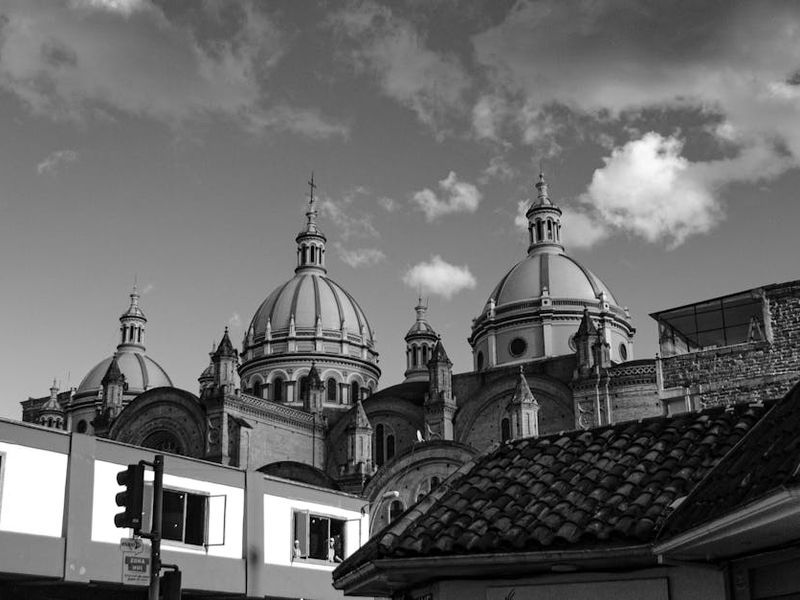
The Historic Center is what many people picture when they think of Cuenca: the Parque Calderón, cathedral domes, colonial facades and an endless supply of cafes and artisan shops. For expats who love being in the heart of things—museums, restaurants, weekend markets and festivals—Centro is hard to beat.
Pros: Unmatched atmosphere, extreme walkability, excellent public transit access and lots of smaller grocery stores and pharmacies within minutes. Many buildings have been renovated into comfortable apartments that keep high ceilings and wooden beams while adding modern kitchens.
Cons: Noise from tourists and nightlife can be an issue, especially on weekends. Street parking is scarce. Some older buildings lack elevators or central heating (not usually necessary, but cold mornings can be damp). Rent ranges widely: small studio or one-bedroom units start around $250–$400, with larger, beautifully restored apartments $500–$900 depending on finishes and location.
El Vergel and the northern corridors: modern apartments and malls
Just a short ride from the historic core, El Vergel and nearby northern neighborhoods attract expats who want newer construction, secure apartment complexes, gated communities and proximity to retail centers. You’ll find modern supermarkets (Supermaxi, Tía), pharmacies, gyms and the city’s newer shopping options here.
Pros: Contemporary amenities, quieter nights, secure parking and easier access for cars. Many buildings include elevators, hot water systems and reliable internet—important comforts for remote workers and families.
Cons: Less of the colonial ambience; some streets can feel suburban. Prices for modern two-bedroom apartments commonly fall between $450 and $800 monthly; luxury units or houses cost more.
Totoracocha and riverfront sectors: a balance of calm and city life
The areas along the Tomebamba and Yanuncay rivers offer leafy streets, parks and pleasant walking paths. Totoracocha, in particular, has become popular with expats seeking a quieter environment that’s still a bike or short taxi ride from the Centro.
Pros: Scenic river walks, family-friendly parks, and many small cafés aimed at locals. If you enjoy morning walks by the water or weekend runs, this area is ideal. Many apartments and small houses here are well-maintained.
Cons: Some river-adjacent blocks can be susceptible to humidity and require attention to mold prevention. Expect rents similar to Centro for comparable units, though houses with small yards can be surprisingly affordable.
San Sebastián and artisan quarters: for creatives and food lovers
San Sebastián is the artisan hub of Cuenca—handmade goods, ceramics and traditional workshops cluster here. Streets are narrow, and the neighborhood retains a strong local identity with markets and festivals centered on craft culture.
Pros: Immersive local culture, access to artisan markets, and excellent street food. It’s also close to the Centro without being in the immediate tourist throng. Many expats who love community-based living gravitate here.
Cons: Noise from workshops and bustling markets at times; parking can be limited. Apartments here tend toward older construction, so check plumbing and electrical systems carefully. Rents for modest units often start in the mid-$200s to $400s.
Turi and the hills: views, tranquility and a residential pace
Perched on a hill south of the city, Turi is famous for its mirador (viewpoint) and quieter streets. This area appeals to expats who prioritize space, gardens and a quieter pace, often in houses rather than apartments. It’s also popular for short-term rentals and guesthouses due to the view overlooking the city.
Pros: Cleaner air, scenic vistas, and larger properties with gardens. If you want a house with outdoor space or to keep a dog, this is an attractive option.
Cons: Greater distance from the Centro means daily commutes for shopping or appointments. Public transport exists but you’ll likely rely on taxis or a car. Rental prices vary greatly depending on the property; modest houses with a garden can start around $400–$600.
Yanuncay and emerging suburbs: affordability and family life
Further from the old center you’ll find newer neighborhoods aimed at local families: condo complexes, schools, and wide avenues. These suburbs often offer the best dollar-for-space ratio for expats who need a bit more room for children or hobbies.
Pros: Larger apartments and houses for your money, modern conveniences, and quieter residential streets. Schools (public and private), parks and larger supermarkets are typically nearby.
Cons: Less tourist infrastructure and fewer English-speaking neighbors. It’s ideal for those who plan to integrate into local life and don’t mind a longer commute to central nightlife or cultural events.
How to evaluate a particular building or street
When you visit a rental, inspect these practical details: hot water source (electric or gas), water pressure, balcony and window condition (mold checks), elevator reliability, sound transmission between units, and what utilities are included in the rent. Ask about average monthly utility costs—water, electricity and internet can add $40–$120 depending on usage and whether you run heaters or dehumidifiers.
It’s also smart to spend time in the neighborhood at different times of day. Walk nearby streets in the morning and late evening to gauge noise, traffic and lighting. If you rely on taxis, check how easy it is to hail one from that location.
Budgeting: what you’ll typically pay
Costs vary by neighborhood, size and amenities. Use these ballpark figures as a starting point:
- Studio / 1-bedroom in Centro or nearby: $250–$500/month
- 1–2 bedroom modern apartment in El Vergel or north sectors: $450–$800/month
- Small house with garden (Turi, suburbs): $400–$900/month depending on yard and condition
- Utilities (electric, water, internet, garbage): $40–$120/month
- Groceries for two: $250–$400/month depending on preference for local markets vs imported goods
Note: Furnished apartments are common, which simplifies the moving process. Many rentals are month-to-month or six-month leases, but long-term leases can offer better monthly rates.
Safety and health access
Cuenca tends to be safer than many larger Latin American cities, and most expats report feeling secure after usual-city precautions. Stick to well-lit streets at night, keep an eye on personal belongings in crowded markets, and use registered taxis when possible.
Access to medical care is good: Cuenca hosts public and private hospitals as well as clinics and pharmacies across neighborhoods. If you have specific medical needs, choose a neighborhood with quick access to your chosen hospital or clinic—Centro and the northern corridors are particularly convenient.
Transportation: getting around from your neighborhood
Cuenca’s bus system covers most neighborhoods, with frequent routes into Centro. Taxis are inexpensive and plentiful; rides within the city are affordable for most expats. If you plan to drive, know that many streets in the Historic Center are narrow and parking is limited—northern neighborhoods and suburbs are generally easier for car owners.
For short distances, walking and cycling are popular—many neighborhoods have pleasant pedestrian routes, especially along the rivers. Bicycle paths and paseo areas make it practical to skip a car for daily errands in several sections of the city.
Social life and expat communities by neighborhood
Social opportunities vary. Centro draws the most international crowd: cafes, language exchanges, arts events and restaurants with English menus. El Vergel and northern neighborhoods attract younger expats and professionals who appreciate gyms and coworking spaces nearby. Turi and the suburbs often offer quieter neighborhood groups and local festivals—great for making friends with Ecuadorians and other long-term residents.
Local Facebook groups and expat meetups are useful for neighborhood-specific advice; many expats use them to find rentals, tradespeople and community events.
Final checklist: choosing the neighborhood that fits you
Use this short checklist while you explore options:
- What matters most: walkability, quiet, views or modern amenities?
- How long is your typical commute to the places you’ll visit most?
- Are nearby grocery and medical services within easy reach?
- Do you prefer apartment living or a house with a yard?
- Is there an active expat community if that’s important to you?
Spend several days living like a local in the neighborhoods you’re considering. Many expats recommend staying in short-term rentals in a couple of different areas before committing to a longer lease—this hands-on approach pays off by revealing details a listing photo won’t show.
Closing thoughts
Cuenca’s neighborhoods each offer distinct lifestyles: the Historic Center for culture and convenience, El Vergel for modern comforts, riverfront and artisan zones for scenic, local life, and Turi and the suburbs for space and tranquility. Your best neighborhood depends on your priorities—budget, social life, health needs and how much of Cuenca’s colonial heart you want in your daily view.
Take your time, talk to locals and expats, and walk the streets at different hours. With a bit of research and a few exploratory stays, you’ll find a neighborhood in Cuenca that feels like home.
Adam Elliot Altholtz serves as the Administrator & Patient Coordinator of the “Smilehealth Ecuador Dental Clinic“, along with his fellow Expats’ beloved ‘Dr. No Pain‘, right here in Cuenca, Ecuador, and for purposes of discussing all your Dental needs and questions, is available virtually 24/7 on all 365 days of the year, including holidays. Adam proudly responds to ALL Expat patients from at least 7:00am to 9:00pm Ecuador time, again every single day of the year (and once more even on holidays), when you write to him by email at info@smilehealthecuador.com and also by inquiry submitted on the Dental Clinic’s fully detailed website of www.smilehealthecuador.com for you to visit any time, by day or night. Plus, you can reach Adam directly by WhatsApp at +593 98 392 9606 -or by his US phone number of 1‐(941)‐227‐0114, and the Dental Clinic’s Ecuador phone number for local Expats residing in Cuenca is 07‐410‐8745. ALWAYS, you will receive your full Dental Service in English (NEVER in Spanish), per you as an Expat either living in or desiring to visit Cuenca by your Dental Vacation, plus also to enjoy all of Ecuador’s wonders that are just waiting for you to come arouse and delight your senses.