
Table of Contents
Why neighborhood choice matters in Cuenca
Cuenca’s charm goes beyond its UNESCO-listed Old Town: the city’s neighborhoods vary dramatically in personality, price and convenience. Choosing the right barrio affects daily routines — how you shop, get to doctors, meet friends, and even how you spend weekends. This guide breaks down the best areas for different types of expats, realistic budgets, transit realities and practical tips to help you pick where to live.
Quick facts about living in Cuenca
Before we dive into neighborhoods, here are a few baseline facts every newcomer should know:
- Elevation and climate: Cuenca sits at roughly 2,500–2,600 meters (about 8,200–8,500 feet). Expect a mild, spring-like climate year-round with daytime highs often between 18–24°C (64–75°F) and cooler nights.
- City feel: Walkable historic center with rivers and parks, surrounded by residential neighborhoods that range from colonial streets to modern gated communities.
- Cost expectations: Typical rental ranges — furnished 1BR in Centro: about $300–600; 2BR in popular residential neighborhoods: $400–800; upscale condos and houses: $700+. Utilities and internet often $40–80/month; groceries and eating out are affordable compared to North America and Europe.
- Amenities: Supermarkets like Supermaxi and Tía, local markets, private clinics and public hospitals, banks with branches of major Ecuadorian institutions, and decent fiber internet options from providers such as Claro, CNT and Movistar.
Top neighborhoods for expats — what each area offers
1. Centro Histórico (El Centro) — for walkers and culture lovers
Why expats choose it: Centro is Cuenca’s beating heart — cobblestone streets, plazas like Parque Calderón, the blue-domed cathedral, riverside promenades and an abundance of cafes, restaurants and artisan shops. If you want daily strolls by the Tomebamba River and immediate access to cultural life, Centro delivers.
What to expect: Plenty of older colonial apartments (often with high ceilings and large windows), noise from tourism and nightlife in parts, and parking can be challenging. You’ll find both furnished short-term rentals and longer-term apartments; be prepared for smaller kitchens unless you opt for newer condo buildings.
Good for: Singles, couples, remote workers who want inspiration and convenience, and anyone who wants to ditch a car.
2. San Sebastián — historic charm with a quieter rhythm
Why expats choose it: San Sebastián sits just uphill from Centro and retains a more neighborhood feel while staying within walking distance of the main plazas. Streets are lined with colonial homes, community markets and family-run bakeries.
What to expect: A calm vibe compared to Centro, plenty of small plazas and neighborhood churches, and an authentic, lived-in Cuenca atmosphere. Rentals are often similar in price to Centro but quieter at night.
Good for: Retirees seeking a tranquil but central spot, couples who like proximity to Centro without the constant buzz.
3. Miraflores — modern apartments and easy access
Why expats choose it: Miraflores offers a mix of apartment towers, newer condo projects, and local shopping centers. It’s a practical choice with good transport links to other parts of the city, and it’s not as congested as downtown streets.
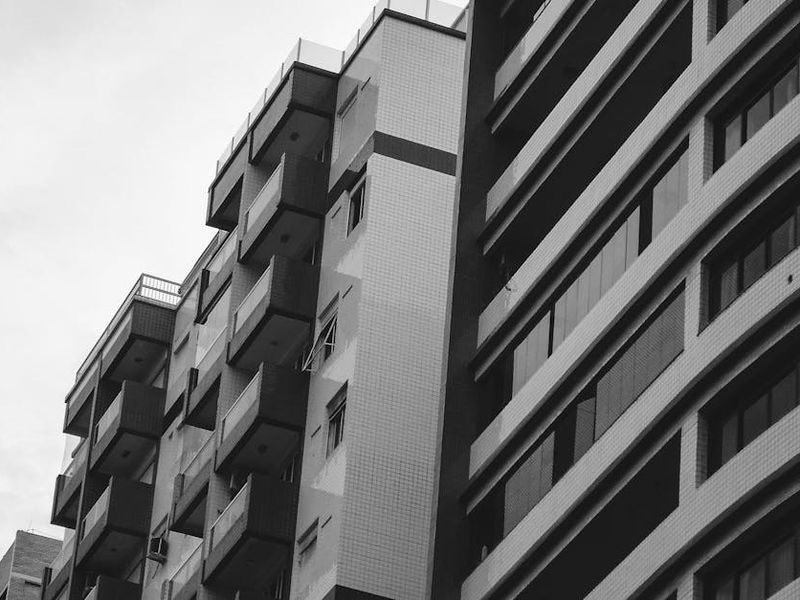
What to expect: Modern infrastructure, elevators, gated communities and better parking options. Many units include amenities like gym rooms and backup water systems. Miraflores has a local feel while still being close to hospitals and supermarkets.
Good for: Families and retirees who want modern conveniences, professionals commuting by car, and anyone valuing ease of parking and facilities like elevators.
4. El Vergel — leafy, residential and family-friendly
Why expats choose it: El Vergel is known for green spaces, parks and quiet streets. It’s popular with families because of its residential layout, playgrounds and proximity to reputable schools.
What to expect: Single-family homes, duplexes and low-rise apartment buildings. You’ll pay a premium for larger homes and gardens, but you gain space, tranquility and a neighborhood feel that’s hard to find in Centro.
Good for: Families with children, expats who want a garden or garage space, and anyone preferring a suburban pace within city limits.
5. Totoracocha and newer suburbs — space and new developments
Why expats choose it: Totoracocha and similar newer neighborhoods on Cuenca’s edges offer newer construction, gated communities and larger lots. Developers build with amenities like security, green areas and parking — attractive for those moving from North America who want similar layouts.
What to expect: More car-dependence (though traffic is manageable), newer appliances and floorplans, and a quieter nightlife. These areas can be ideal when seeking more affordable square footage compared to central areas.
Good for: Those who want a house rather than an apartment, families needing more space, and expats with cars.
6. Yanuncay / Marianitas — residential and close to services
Why expats choose it: Neighboring areas along the Yanuncay River and surrounding Marianitas offer a blend of residential streets, schools and convenient access to shopping and hospitals. It’s practical for daily life without the tourist crowds.
What to expect: A mix of older homes and medium-sized apartment buildings, local markets and services within walking distance. Monthly rents here are often competitive for the size offered.
Good for: Families and professionals who need access to schools, clinics and supermarkets but prefer a neighborhood atmosphere.
How to pick the right neighborhood — practical checklist
- Commute: Do you want to walk to cafes and parks or will you drive? Centro is walkable; suburbs are easier by car.
- Noise tolerance: Are you okay with occasional late-night noise or prefer quiet evenings? Centro and some parts of San Sebastián can be lively.
- Health access: If you visit doctors often, prioritize proximity to private clinics and public hospitals.
- Shopping: Consider closeness to a supermarket (Supermaxi and Tía are common), pharmacies and open markets for produce.
- Outdoor space: Need a yard, balcony or nearby parks? Look toward El Vergel, Miraflores or newer suburbs.
- Budget: Decide on rent and whether utilities or internet are included. This affects which neighborhoods become realistic.
- Parking and elevator needs: If mobility is a concern, check for elevators and dedicated parking.
Real costs and what to expect in a rental
Rents in Cuenca are generally lower than in large North American or European cities, but prices vary by neighborhood and property quality. Here are realistic monthly ranges (USD) to expect:
- Studio / small 1BR: $250–500 — common in Centro and older buildings.
- 1–2 bedroom apartment (decent condition): $350–800 — across Centro, Miraflores, and San Sebastián.
- Large 2–3 bedroom or house: $600–1,200+ — El Vergel, Totoracocha, newer gated communities.
Additional costs:
- Utilities (electricity, water, gas): $30–70 depending on usage and hot water source.
- Internet and cable: $25–50 for fiber plans, depending on provider and speed.
- Domestic helpers and gardeners are commonly hired part-time with hourly or monthly rates that vary by arrangement.
Renting tips: leases, utilities and negotiating
Practical tips for renters new to Cuenca:
- Short-term vs long-term: Try a short-term furnished rental for the first month or two. It gives you time to explore neighborhoods and check commute times before signing a longer lease.
- Lease language: Many contracts are in Spanish. Have a trusted bilingual friend, agent, or translator review lease terms — especially clauses about deposit refunds, maintenance responsibility and subletting.
- Utility responsibilities: Confirm if the landlord includes water, gas or municipal taxes in the rent. Heating is limited; hot water may be provided by electric heaters (instant or tank) or gas boilers.
- Inspect carefully: Check water pressure, hot water, signs of damp, screens on windows and that electrical outlets work. Confirm elevator operation if you rely on it.
- Security deposit and payment: Deposits typically equal one month’s rent, and payments are commonly made monthly in cash or bank transfer. Keep receipts.
Transportation and getting around
Public buses are an inexpensive way to get around Cuenca, with routes covering nearly every neighborhood. For many expats, taxis are the most convenient option for night travel or when carrying shopping — they’re affordable and widely available. Ride-hailing apps operate inconsistently in Ecuador; most locals still rely on taxis and cooperatives.
If you plan to drive, factor in parking availability and occasional traffic at peak times. Many neighborhoods outside Centro provide easier parking and garage space than the historic center.
Safety, healthcare and practical services
Cuenca is generally considered one of Ecuador’s safer cities. Normal urban precautions apply: secure windows on ground floors, avoid poorly lit streets at night, and use registered taxis if returning late from the historic area.
Healthcare: Cuenca has a strong network of private clinics and public hospitals with affordable care and English-speaking doctors available in many private facilities. Expats often combine private care for specialist appointments with public services for emergencies. Having a health insurance plan that covers private clinics can be a convenience worth the cost.
Services: Banks (including Banco Pichincha and Banco del Pacífico) are widespread. ATMs are common; carrying some cash for markets and taxis is useful. Supermarkets like Supermaxi and Tía are convenient for staples, while local markets provide fresh produce at lower prices.
Neighborhoods by expat lifestyle — quick recommendations
- Retirees looking for peaceful walking routes and cafes: San Sebastián or El Vergel.
- Young professionals and remote workers wanting lively social life: Centro Histórico or Miraflores.
- Families needing schools, parks and space: El Vergel, Miraflores or Yanuncay areas.
- Those wanting new construction, security and larger lots: Totoracocha and newer gated communities on the city’s edge.
Final tips for newcomers
1) Spend time exploring before committing. Rent short-term and live in a couple different neighborhoods to see what fits your daily patterns. 2) Talk to other expats and local neighbors — they’re often the best source for hidden gems like friendly clinics, reliable plumbers and the best local markets. 3) Prioritize what you can’t live without (e.g., elevator, yard, two-car garage) and compromise on niceties that are less essential.
Cuenca’s neighborhoods offer a rich array of choices: from the lively cultural fabric of Centro, to tree-lined family blocks in El Vergel, to the convenience of newer Miraflores apartments. With a little research, you can find a barrio that matches your lifestyle, budget and sense of home in this beautiful Ecuadorian city.
Ready to start your search? Map out a week of visits: walk the streets at different times, try local cafés, and visit supermarkets and clinics. The right neighborhood will feel like a match for your routines — and once you find it, Cuenca’s warmth and pace will help you settle in quickly.