
Table of Contents
Why Choosing the Right Neighborhood in Cuenca Matters
Moving to Cuenca, Ecuador, is exciting, but where you live will shape daily life: your commute, social circle, noise levels, and how easily you access markets, healthcare, and outdoor space. Cuenca’s compact size and varied neighborhoods mean you can be in the colonial heart one weekend and a quiet riverside barrio the next. This guide breaks down the best areas for expats by lifestyle — historic charm, artsy quarters, riverside tranquility, and modern convenience — and gives practical tips to help you choose.
Quick facts to keep in mind
- Elevation: about 2,560 meters (8,400 ft). Mild, spring-like weather year-round but cool nights.
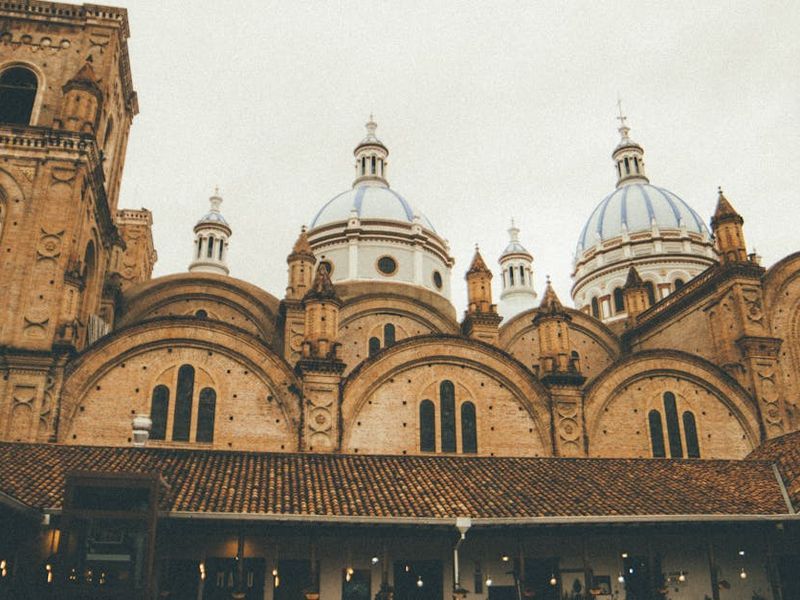
- Central landmarks: Parque Calderón and the New Cathedral define the historic center.
- Key grocery and retail: Supermaxi, Mi Comisariato, and Tía; Mall del Río is the largest modern mall.
- Internet and mobile: providers include Telconet, CNT, Claro and Movistar; speeds and prices are generally good in urban areas.
Neighborhood 1 — El Centro (Historic Center)
Why expats choose it: El Centro is the postcard Cuenca — colonial architecture, museums like Pumapungo, plazas, churches, and an energetic street life. If you want to be within walking distance of cafés, markets, cultural events, and restaurants, this is the place.
What living here is like
Narrow cobbled streets and sidewalks, lots of foot traffic, and small apartment buildings are the norm. Many expats live in restored colonial apartments with high ceilings and balconies. On weekends, the squares fill with artisans and music.
Pros and cons
- Pros: Unbeatable location, abundant services, easy to walk everywhere.
- Cons: Noise and nightlife, limited parking, some apartments lack modern insulation or elevators.
Neighborhood 2 — San Sebastián and San Blas (Artistic & Bohemian)
Why expats choose it: Just south of Parque Calderón, San Sebastián and San Blas are colorful, arty neighborhoods with galleries, small studios, and a strong sense of community. These barrios attract writers, painters, and expats who want an authentic, creative vibe.
What living here is like
You’ll find narrow lanes, local bakeries, community plazas, and cultural events. Housing ranges from modest homes to renovated colonial apartments. This area has a slightly quieter pace than the immediate center but still keeps you close to core services.
Practical notes
- Great for people who value walkability and local culture.
- Expect more stairs and less off-street parking than newer residential zones.
Neighborhood 3 — Tomebamba & Riverside Areas (Scenic and Relaxed)
Why expats choose it: Living along the Tomebamba River or the Yanuncay stream gives you greenspace, pleasant walks along riverbanks, and relatively tranquil surroundings while staying near downtown.
What living here is like
Stretches of riverside pedestrian paths are ideal for walkers and runners. Buildings are a mix of mid-century apartments and newer condo complexes with views of the river and the hills beyond.
Who it suits
- Couples and retirees who want daily outdoor access without driving.
- Families seeking parks and quieter streets for children to play.
Neighborhood 4 — El Vergel and the North Corridor (Modern & Convenient)
Why expats choose it: El Vergel and nearby north-side corridors offer modern apartments and suburban comforts: larger supermarkets, clinics, international restaurants, and newer construction. This zone is convenient if you prefer driving or want modern amenities close by.
What living here is like
Expect wider streets, gated complexes with 24/7 security, and multi-level apartment buildings. Many units have parking, elevators, and better insulation than older central buildings.
Pros and cons
- Pros: Good value for space, new construction, amenities-focused.
- Cons: Slightly farther from the historic center; bus or taxi needed for nightlife.
Neighborhood 5 — Remigio Crespo / Ascázubi Corridor (Practical, Near Services)
Why expats choose it: This corridor is a practical choice because it lines up with many of Cuenca’s services — banks, supermarkets, clinics, and bus routes. If you want easy access for errands and appointments while remaining a short taxi ride from the center, consider this area.
What living here is like
Mixed-use zones with commercial businesses on the ground floor and apartments above are common. Some buildings are older, others have been modernized. Rents can be reasonable for the convenience offered.
Tip
Look for apartments on higher floors to reduce street noise and take advantage of views.
Neighborhood 6 — Suburbs & Gated Communities (Family-Friendly)
Why expats choose it: For families or those desiring more space — yard, garage, or a multi-bedroom house — the suburbs and gated communities around Cuenca deliver. Properties tend to be newer and offer more bedrooms, private outdoor space, and sometimes community pools or guarded gates.
What living here is like
You’ll rely more on a car or taxi for shopping and schools, but you trade that for safety, space, and a slower pace. Many expats with children prefer these neighborhoods for proximity to international schools and larger homes.
How to Decide Which Neighborhood Fits You
Weigh these factors before deciding:
- Lifestyle: Do you want walkable cafés and nightlife, or quiet streets and parks?
- Budget: Central apartments can be smaller but pricier per square meter; suburbs give more space for similar money.
- Mobility: Are you comfortable using buses and taxis or will you rely on a car?
- Health and services: If regular medical care is important, stay close to clinics and pharmacies.
Typical Costs: Rent, Utilities and Extras
These ranges are approximate and change with location and quality:
- Studio or small 1BR in El Centro: $250–$450/month.
- 1–2BR apartment in El Vergel or north corridor: $350–$700/month.
- Large 2–3BR house in suburbs or gated community: $600–$1,200/month.
- Utilities (electricity, water, gas): $30–$80/month — depends on usage and heating needs.
- Internet: $25–$50/month for decent speeds in the city.
Deposits are commonly one month’s rent; sometimes landlords request two. Many landlords prefer cash or bank transfer; have receipts for everything.
Finding Rentals: Practical Strategies
Start with a short-term rental (Airbnb or furnished monthly apartment) so you can explore neighborhoods in person. From there, use a mix of methods:
- Local real estate agents (inmobiliarias): They know the market and paperwork.
- Facebook groups and local classifieds: “Expats in Cuenca” and similar groups publish many listings.
- Walking the neighborhood: Some owners post signs in windows and you can often negotiate directly.
- Word of mouth: Chat with neighbors and at local cafés — many rentals circulate informally.
Negotiating and Lease Details
Tips to protect yourself and get a fair deal:
- Ask for a written contract in Spanish (get it translated if needed). Include rent, deposit, responsibilities for repairs, and utility arrangements.
- Check that ‘expensas’ or strata fees are clear if you rent in a building. These may be additional monthly costs.
- Inspect appliances, plumbing, and ask about water pressure — older buildings can have quirks.
- Confirm parking availability if you have a vehicle.
Safety, Health, and Practical Living Tips
Cuenca is considered one of Ecuador’s safest cities, especially compared with larger coastal cities, but normal precautions apply. Keep valuables out of sight in public, use well-lit streets at night, and consider renter’s insurance for high-value items.
Healthcare in Cuenca is good for a city this size. There are public and private clinics; many doctors speak some English, but learning Spanish will improve access and care.
Transportation and Getting Around
Taxis are inexpensive and readily available; agree on a fare or insist on the meter. The local bus system is extensive and affordable for daily travel. Many expats walk downtown and use taxis for longer trips. If you plan to live in the suburbs, having a car or access to frequent taxi service will be useful.
Social Life and Community — How to Plug In
Cuenca has an active expat scene. Look for meetups, language exchanges, cultural groups, and volunteer opportunities. English-language publications and Facebook groups help newcomers find services, events, and housing. Local Spanish schools and community centers also organize activities that are great for meeting people.
Final Checklist Before Signing a Lease
- Visit the neighborhood at different times (weekday, weekend, night) to gauge noise and activity.
- Check commute times to places you’ll visit regularly: markets, clinics, and social venues.
- Confirm what the deposit covers and the procedure for getting it back.
- Ask neighbors about water pressure, electricity reliability, and neighborhood safety.
Conclusion: Match Your Priorities to the Neighborhood
There’s no single “best” neighborhood for all expats — the right choice depends on what you value. If you want cultural immersion and walkability, the historic center and artsy barrios are perfect. If modern conveniences and space top your list, north corridor neighborhoods like El Vergel or suburban gated communities will suit you better. Take time to explore, stay short-term first, and use local resources to find the right fit. Cuenca rewards those who take the time to learn its rhythms — and once you do, you’ll find a neighborhood that feels like home.
Ready to begin your search? Start with a week in a short-term rental near Parque Calderón to get the flavor of historic Cuenca, then scout riverside and north-side options to compare daily life in each area.